

Australia’s Gas Tax Debate Intensifies as Industry Profits and Public Revenue Clash
A political and economic dispute over how gas exports are taxed has reignited, with an unlikely focus on beer highlighting broader concerns over revenue, pricing, and national benefit
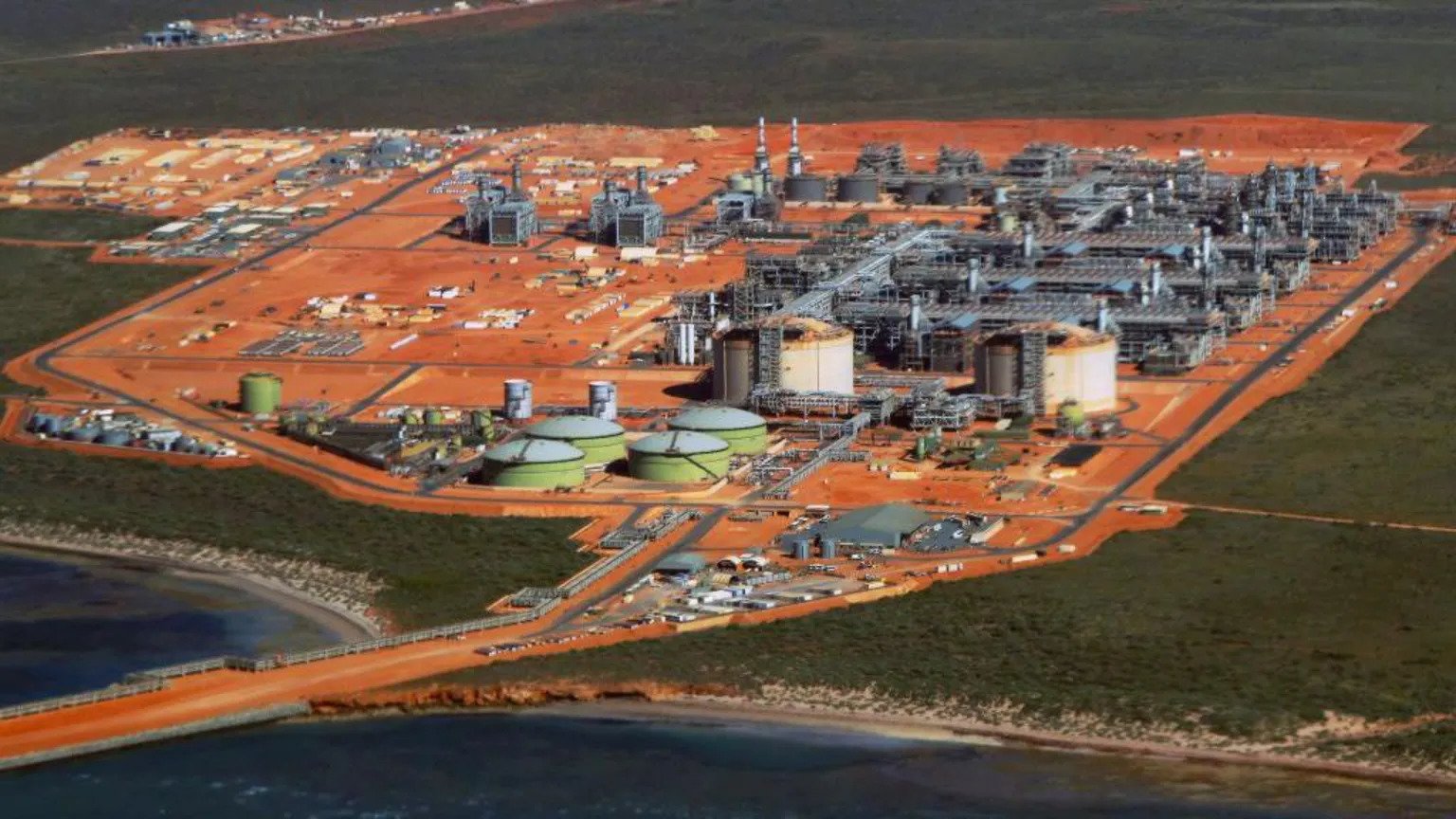
Government policy governing the taxation of liquefied natural gas exports has become the central driver of a renewed national debate in Australia, as rising scrutiny falls on how energy giants are taxed despite strong profits and sustained global demand.
At the core of the dispute is the structure of the Petroleum Resource Rent Tax, a system designed to capture a share of profits from resource extraction while allowing companies to deduct large upfront investment costs.
What is confirmed is that the tax has generated far less revenue than initially expected over the past decade, even as Australia has become one of the world’s largest exporters of liquefied natural gas.
The gap between export earnings and public returns has triggered mounting political pressure to reform the system.
The debate has recently taken on a more public-facing dimension through comparisons that resonate with consumers, including claims that Australians effectively contribute more tax through everyday purchases such as beer than multinational gas producers do from large-scale exports.
While such comparisons simplify a complex tax framework, they have sharpened attention on perceived imbalances in the system and helped push the issue into mainstream political discourse.
The mechanism behind the low tax take lies in the design of the system itself.
Companies are permitted to carry forward deductions from exploration, development, and financing costs, often over long periods.
This means many large projects remain in a phase where taxable profits are reduced or deferred, even after production has scaled up.
The result is a timing mismatch between when resources are extracted and when significant tax revenues are realized.
Energy companies argue that the framework reflects the high-risk, capital-intensive nature of liquefied natural gas projects.
They maintain that stable and predictable tax settings are essential to attract long-term investment, particularly as global competition for energy capital intensifies.
From this perspective, any abrupt tightening of the tax regime could deter future projects and undermine Australia’s position in global energy markets.
However, critics contend that the current balance disproportionately favors producers at a time when global gas prices have been elevated and corporate earnings have strengthened.
The key issue is whether the tax system adequately captures windfall gains during periods of high prices, or whether it allows companies to shield profits for too long through deductions and accounting mechanisms.
The political stakes are significant.
For the federal government, the debate intersects with broader fiscal pressures, including the need to fund public services and manage cost-of-living concerns.
Higher resource tax revenues could provide a substantial boost to government finances without directly increasing taxes on households.
At the same time, policymakers must weigh the risk of undermining investor confidence in a sector that remains a major export earner.
The discussion also reflects a deeper structural tension in resource-rich economies: how to balance private investment incentives with public returns from finite natural assets.
Australia’s experience mirrors similar debates in other energy-exporting nations, where governments have periodically revised tax regimes in response to shifting market conditions and political priorities.
Recent developments indicate that reform is under active consideration, with policymakers examining adjustments to deduction rules and the timing of tax liabilities.
The direction of travel points toward a system that seeks to preserve investment attractiveness while increasing near-term revenue capture, particularly during periods of strong commodity prices.
The outcome of this debate will shape not only government revenues but also Australia’s long-term approach to managing its energy wealth, as pressure builds to ensure that the benefits of resource exports are more visibly shared across the economy.
At the core of the dispute is the structure of the Petroleum Resource Rent Tax, a system designed to capture a share of profits from resource extraction while allowing companies to deduct large upfront investment costs.
What is confirmed is that the tax has generated far less revenue than initially expected over the past decade, even as Australia has become one of the world’s largest exporters of liquefied natural gas.
The gap between export earnings and public returns has triggered mounting political pressure to reform the system.
The debate has recently taken on a more public-facing dimension through comparisons that resonate with consumers, including claims that Australians effectively contribute more tax through everyday purchases such as beer than multinational gas producers do from large-scale exports.
While such comparisons simplify a complex tax framework, they have sharpened attention on perceived imbalances in the system and helped push the issue into mainstream political discourse.
The mechanism behind the low tax take lies in the design of the system itself.
Companies are permitted to carry forward deductions from exploration, development, and financing costs, often over long periods.
This means many large projects remain in a phase where taxable profits are reduced or deferred, even after production has scaled up.
The result is a timing mismatch between when resources are extracted and when significant tax revenues are realized.
Energy companies argue that the framework reflects the high-risk, capital-intensive nature of liquefied natural gas projects.
They maintain that stable and predictable tax settings are essential to attract long-term investment, particularly as global competition for energy capital intensifies.
From this perspective, any abrupt tightening of the tax regime could deter future projects and undermine Australia’s position in global energy markets.
However, critics contend that the current balance disproportionately favors producers at a time when global gas prices have been elevated and corporate earnings have strengthened.
The key issue is whether the tax system adequately captures windfall gains during periods of high prices, or whether it allows companies to shield profits for too long through deductions and accounting mechanisms.
The political stakes are significant.
For the federal government, the debate intersects with broader fiscal pressures, including the need to fund public services and manage cost-of-living concerns.
Higher resource tax revenues could provide a substantial boost to government finances without directly increasing taxes on households.
At the same time, policymakers must weigh the risk of undermining investor confidence in a sector that remains a major export earner.
The discussion also reflects a deeper structural tension in resource-rich economies: how to balance private investment incentives with public returns from finite natural assets.
Australia’s experience mirrors similar debates in other energy-exporting nations, where governments have periodically revised tax regimes in response to shifting market conditions and political priorities.
Recent developments indicate that reform is under active consideration, with policymakers examining adjustments to deduction rules and the timing of tax liabilities.
The direction of travel points toward a system that seeks to preserve investment attractiveness while increasing near-term revenue capture, particularly during periods of strong commodity prices.
The outcome of this debate will shape not only government revenues but also Australia’s long-term approach to managing its energy wealth, as pressure builds to ensure that the benefits of resource exports are more visibly shared across the economy.
AI Disclaimer: An advanced artificial intelligence (AI) system generated the content of this page on its own. This innovative technology conducts extensive research from a variety of reliable sources, performs rigorous fact-checking and verification, cleans up and balances biased or manipulated content, and presents a minimal factual summary that is just enough yet essential for you to function as an informed and educated citizen. Please keep in mind, however, that this system is an evolving technology, and as a result, the article may contain accidental inaccuracies or errors. We urge you to help us improve our site by reporting any inaccuracies you find using the "Contact Us" link at the bottom of this page. Your helpful feedback helps us improve our system and deliver more precise content. When you find an article of interest here, please look for the full and extensive coverage of this topic in traditional news sources, as they are written by professional journalists that we try to support, not replace. We appreciate your understanding and assistance.