
EU and Australia Report Progress Toward Long-Sought Free Trade Agreement
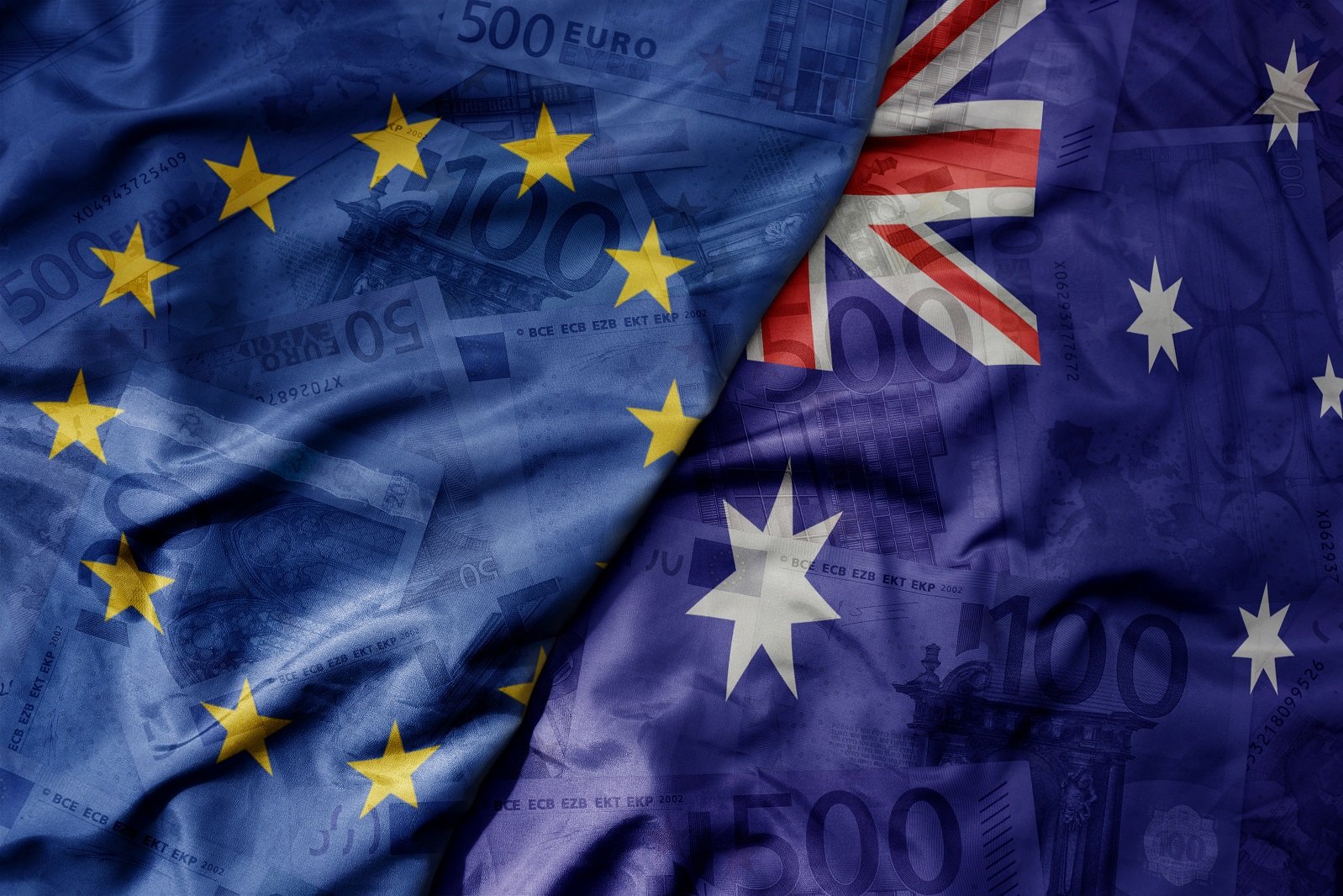
After years of stalled negotiations, the European Union and Australia have reported tangible progress in resolving long-standing trade disputes and advancing toward a comprehensive free trade agreement.
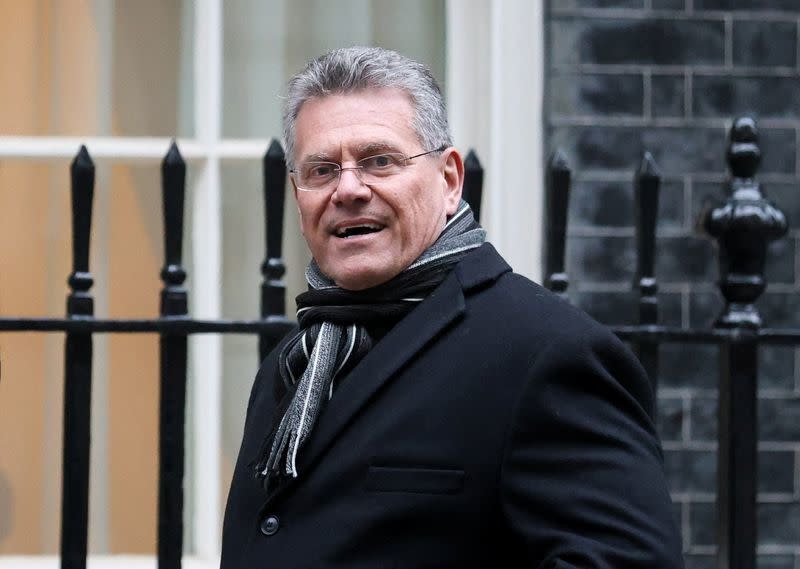
Officials from both sides met on February 12 in Brussels, where European Commissioner for Trade and Economic Security Maroš Šefčovič and Commissioner for Agriculture and Food Christophe Hansen conferred with Australia’s Minister for Trade and Tourism, Don Farrell, focusing on the outstanding elements that have impeded a deal since talks broke down in 2023.
The discussions, described by both parties as constructive, concentrated on narrowing gaps in areas such as agricultural market access and regulatory frameworks for goods and services.
Government representatives have signalled that this progress will now be reported back to their respective leaders for further guidance and potential next steps.
The negotiations, originally launched in 2018, aim to create a high-quality, balanced and mutually beneficial pact covering goods, services, investment, digital trade and regulatory cooperation in a market encompassing more than 450 million consumers.
Previous impasses stemmed largely from Australia’s calls for enhanced access for beef and lamb exports to the EU, while the bloc sought greater access to Australian raw materials and concessions on tariffs for manufactured goods.
Recent engagements reflect a shared determination by both sides to resolve these differences and provide momentum toward concluding the agreement.
Australian industry groups have expressed support for a comprehensive trade deal, noting the potential to boost economic resilience, expand export opportunities and strengthen strategic ties with one of Australia’s largest trading partners.
Officials from both governments have reaffirmed their commitment to a rules-based international trading system and to concluding an agreement that supports sustainable growth, competitiveness and long-term cooperation.
The renewed progress follows broader shifts in global trade dynamics, prompting Canberra and Brussels to intensify efforts to deepen economic integration in the face of evolving geopolitical and commercial pressures.