
Iran Conflict Fuels Surge in Australian Home Construction Costs, Deepening Housing Pressures
Rising fuel prices and supply chain disruptions linked to Middle East tensions are driving sharp increases in building expenses across Australia
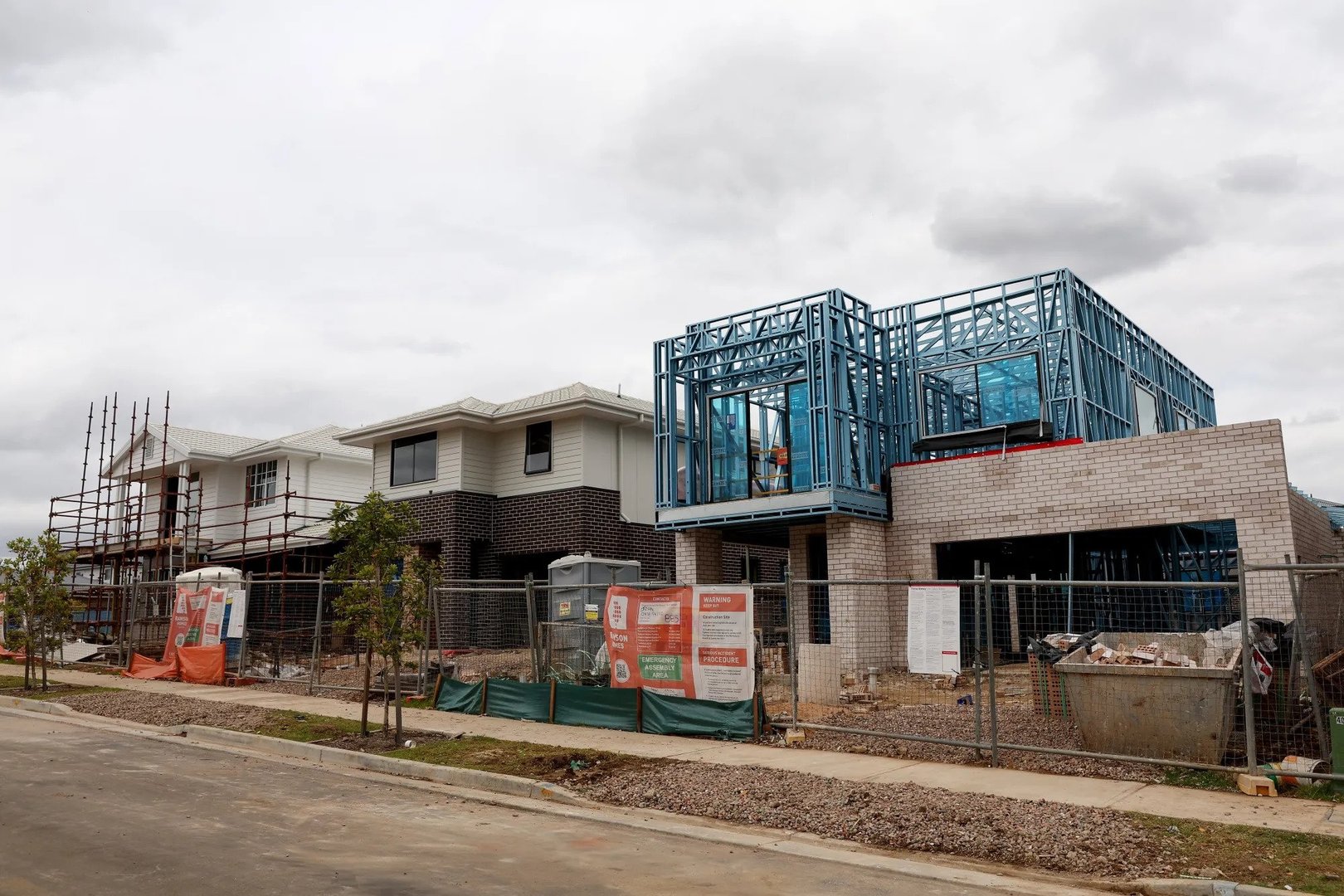
Australia’s residential construction sector is facing a fresh wave of cost pressures as the ongoing conflict involving Iran drives up fuel prices and disrupts global supply chains, significantly increasing the cost of building new homes.
Industry data indicates that construction costs have already begun rising in direct response to the energy shock, with home building expenses climbing by at least one per cent since the outbreak of the conflict.
For many projects, this translates into thousands of dollars in additional costs, with further increases anticipated if volatility persists.
The primary driver behind the surge is the sharp escalation in oil and diesel prices, which has increased the cost of transporting materials and operating heavy machinery.
Construction in Australia is heavily reliant on diesel-powered equipment and long-distance freight, meaning even modest fuel increases quickly cascade through the entire supply chain.
Builders and suppliers have begun introducing additional charges, including fuel surcharges and emergency levies, on essential materials such as concrete, steel, and plumbing products.
In some regions, these pressures have led to dramatic spikes, with reports of material costs rising by as much as forty per cent over a short period.
The disruption has also revived supply chain concerns reminiscent of the COVID-19 period, with shortages emerging in key inputs and delivery times becoming increasingly unpredictable.
Some contractors are moving away from fixed-price contracts, citing the difficulty of managing rapidly fluctuating costs and heightened financial risk.
Economists warn that the broader economic impact of the conflict—including inflationary pressure and rising interest rates—could further compound the challenge for the housing sector.
Higher borrowing costs are already weighing on developers and prospective homeowners, reducing project viability and dampening demand.
The implications extend beyond individual builders and buyers.
Australia’s ambitious housing targets, including plans to significantly expand housing supply in the coming years, are now under renewed strain as escalating construction costs threaten to slow new project starts and delay completions.
Analysts caution that if the geopolitical situation remains unstable, cost pressures could become entrenched, reinforcing a cycle of higher prices across both construction and the broader housing market.
The result is likely to be a more challenging environment for delivering new homes at scale, at a time when demand for affordable housing remains acute.
Industry data indicates that construction costs have already begun rising in direct response to the energy shock, with home building expenses climbing by at least one per cent since the outbreak of the conflict.
For many projects, this translates into thousands of dollars in additional costs, with further increases anticipated if volatility persists.
The primary driver behind the surge is the sharp escalation in oil and diesel prices, which has increased the cost of transporting materials and operating heavy machinery.
Construction in Australia is heavily reliant on diesel-powered equipment and long-distance freight, meaning even modest fuel increases quickly cascade through the entire supply chain.
Builders and suppliers have begun introducing additional charges, including fuel surcharges and emergency levies, on essential materials such as concrete, steel, and plumbing products.
In some regions, these pressures have led to dramatic spikes, with reports of material costs rising by as much as forty per cent over a short period.
The disruption has also revived supply chain concerns reminiscent of the COVID-19 period, with shortages emerging in key inputs and delivery times becoming increasingly unpredictable.
Some contractors are moving away from fixed-price contracts, citing the difficulty of managing rapidly fluctuating costs and heightened financial risk.
Economists warn that the broader economic impact of the conflict—including inflationary pressure and rising interest rates—could further compound the challenge for the housing sector.
Higher borrowing costs are already weighing on developers and prospective homeowners, reducing project viability and dampening demand.
The implications extend beyond individual builders and buyers.
Australia’s ambitious housing targets, including plans to significantly expand housing supply in the coming years, are now under renewed strain as escalating construction costs threaten to slow new project starts and delay completions.
Analysts caution that if the geopolitical situation remains unstable, cost pressures could become entrenched, reinforcing a cycle of higher prices across both construction and the broader housing market.
The result is likely to be a more challenging environment for delivering new homes at scale, at a time when demand for affordable housing remains acute.
AI Disclaimer: An advanced artificial intelligence (AI) system generated the content of this page on its own. This innovative technology conducts extensive research from a variety of reliable sources, performs rigorous fact-checking and verification, cleans up and balances biased or manipulated content, and presents a minimal factual summary that is just enough yet essential for you to function as an informed and educated citizen. Please keep in mind, however, that this system is an evolving technology, and as a result, the article may contain accidental inaccuracies or errors. We urge you to help us improve our site by reporting any inaccuracies you find using the "Contact Us" link at the bottom of this page. Your helpful feedback helps us improve our system and deliver more precise content. When you find an article of interest here, please look for the full and extensive coverage of this topic in traditional news sources, as they are written by professional journalists that we try to support, not replace. We appreciate your understanding and assistance.