Australia Moves to Repatriate Women and Children from Syrian Detention Camp in Controlled Transfer
Group relocated from Kurdish-run camp to Damascus as Canberra advances cautious policy on citizens linked to former ISIS territories
Australia’s federal government is driving a controlled repatriation process for its citizens held in Syrian detention camps, with a new transfer of women and children out of a Kurdish-run facility marking the latest step in a tightly managed policy shift.
What is confirmed is that a group of Australian women and children previously held in a detention camp in northeast Syria has been moved to Damascus under arrangements involving regional authorities and international intermediaries.
The transfer removes them from camps that have housed thousands of foreign nationals linked to territories once controlled by the Islamic State group and places them under conditions where consular processes and eventual return become possible.
The mechanism behind the move reflects the fragmented governance of Syria.
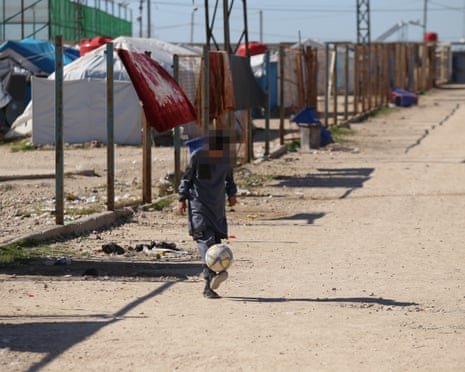
The camps, including the widely known Al-Hol facility, are administered by Kurdish-led forces that have long urged foreign governments to take responsibility for their nationals.
Australia does not maintain a diplomatic presence in Syria, and the central government in Damascus controls a separate set of legal and security channels.
Moving detainees from one authority’s control to another is therefore a prerequisite for any formal repatriation.
Australian officials have for years resisted large-scale returns, citing security risks, evidentiary challenges, and the difficulty of prosecuting alleged conduct that occurred in a conflict zone.
That position has gradually shifted toward case-by-case extraction, prioritizing children and assessing adult women individually.
The current transfer fits that model: it isolates a small group, reduces immediate humanitarian risk, and enables direct oversight once they enter a jurisdiction where Australian agencies can operate.
The people involved are understood to include minors born in or taken to Syria during the Islamic State’s territorial control, along with their mothers.
Many of the children are Australian citizens by descent.
The women’s legal exposure varies; some may face investigation or control orders upon return, while others could be assessed primarily through welfare and reintegration frameworks.
Security screening is central to the process.
Australian authorities typically coordinate medical checks, identity verification, and risk assessments before and after transfer.
Upon arrival in Australia, returning adults can be subject to questioning, restrictions on movement, and, where evidence meets legal thresholds, criminal charges under counterterrorism laws.
Children are placed into state care systems with an emphasis on trauma support and long-term monitoring.
The stakes extend beyond individual cases.
Kurdish authorities have repeatedly warned that the camps remain volatile, with overcrowding, limited services, and the presence of hardline networks capable of coercion and recruitment.
Leaving foreign nationals in place has been framed by security officials as a long-term risk, while bringing them home transfers that risk into a controlled legal environment.
The current move indicates that Canberra is placing greater weight on managed repatriation over indefinite offshore detention.
Politically, the approach seeks to balance public concern about national security with legal obligations to citizens, particularly children.
Previous operations have returned smaller cohorts, and each has been used to refine procedures for extraction, transport, and post-arrival management.
The latest transfer through Damascus suggests improved coordination with actors on the ground and a willingness to expand the program incrementally.
Internationally, Australia’s actions align with a broader, uneven trend among Western countries, many of which have accelerated returns of minors while remaining cautious about adults.
The shared constraint is evidence: proving specific offenses committed in a collapsed conflict zone is difficult, making prosecution uncertain and increasing reliance on preventative measures at home.
The immediate consequence of the transfer is that the group is now positioned within a pathway that can lead to return to Australia under direct government supervision.
Officials are preparing the next stage of the process, which includes consular verification and transport arrangements, as part of an ongoing, case-by-case repatriation program.
What is confirmed is that a group of Australian women and children previously held in a detention camp in northeast Syria has been moved to Damascus under arrangements involving regional authorities and international intermediaries.
The transfer removes them from camps that have housed thousands of foreign nationals linked to territories once controlled by the Islamic State group and places them under conditions where consular processes and eventual return become possible.
The mechanism behind the move reflects the fragmented governance of Syria.
The camps, including the widely known Al-Hol facility, are administered by Kurdish-led forces that have long urged foreign governments to take responsibility for their nationals.
Australia does not maintain a diplomatic presence in Syria, and the central government in Damascus controls a separate set of legal and security channels.
Moving detainees from one authority’s control to another is therefore a prerequisite for any formal repatriation.
Australian officials have for years resisted large-scale returns, citing security risks, evidentiary challenges, and the difficulty of prosecuting alleged conduct that occurred in a conflict zone.
That position has gradually shifted toward case-by-case extraction, prioritizing children and assessing adult women individually.
The current transfer fits that model: it isolates a small group, reduces immediate humanitarian risk, and enables direct oversight once they enter a jurisdiction where Australian agencies can operate.
The people involved are understood to include minors born in or taken to Syria during the Islamic State’s territorial control, along with their mothers.
Many of the children are Australian citizens by descent.
The women’s legal exposure varies; some may face investigation or control orders upon return, while others could be assessed primarily through welfare and reintegration frameworks.
Security screening is central to the process.
Australian authorities typically coordinate medical checks, identity verification, and risk assessments before and after transfer.
Upon arrival in Australia, returning adults can be subject to questioning, restrictions on movement, and, where evidence meets legal thresholds, criminal charges under counterterrorism laws.
Children are placed into state care systems with an emphasis on trauma support and long-term monitoring.
The stakes extend beyond individual cases.
Kurdish authorities have repeatedly warned that the camps remain volatile, with overcrowding, limited services, and the presence of hardline networks capable of coercion and recruitment.
Leaving foreign nationals in place has been framed by security officials as a long-term risk, while bringing them home transfers that risk into a controlled legal environment.
The current move indicates that Canberra is placing greater weight on managed repatriation over indefinite offshore detention.
Politically, the approach seeks to balance public concern about national security with legal obligations to citizens, particularly children.
Previous operations have returned smaller cohorts, and each has been used to refine procedures for extraction, transport, and post-arrival management.
The latest transfer through Damascus suggests improved coordination with actors on the ground and a willingness to expand the program incrementally.
Internationally, Australia’s actions align with a broader, uneven trend among Western countries, many of which have accelerated returns of minors while remaining cautious about adults.
The shared constraint is evidence: proving specific offenses committed in a collapsed conflict zone is difficult, making prosecution uncertain and increasing reliance on preventative measures at home.
The immediate consequence of the transfer is that the group is now positioned within a pathway that can lead to return to Australia under direct government supervision.
Officials are preparing the next stage of the process, which includes consular verification and transport arrangements, as part of an ongoing, case-by-case repatriation program.
AI Disclaimer: An advanced artificial intelligence (AI) system generated the content of this page on its own. This innovative technology conducts extensive research from a variety of reliable sources, performs rigorous fact-checking and verification, cleans up and balances biased or manipulated content, and presents a minimal factual summary that is just enough yet essential for you to function as an informed and educated citizen. Please keep in mind, however, that this system is an evolving technology, and as a result, the article may contain accidental inaccuracies or errors. We urge you to help us improve our site by reporting any inaccuracies you find using the "Contact Us" link at the bottom of this page. Your helpful feedback helps us improve our system and deliver more precise content. When you find an article of interest here, please look for the full and extensive coverage of this topic in traditional news sources, as they are written by professional journalists that we try to support, not replace. We appreciate your understanding and assistance.