Zeekr’s Push Into Australia Tests Whether Chinese EV Brands Can Win Trust in a Cautious Market
The Geely-backed electric vehicle maker is expanding internationally, but its Australian prospects hinge on pricing, perception, and competition in a rapidly crowding EV segment.
SYSTEM-DRIVEN dynamics in the global electric vehicle market are shaping the international expansion strategy of Zeekr, a premium EV brand owned by China’s Geely Holding Group.
The company’s stated trajectory toward entering or strengthening its position in Australia reflects a broader shift in which Chinese automakers are moving upmarket and directly competing with established Western and Korean brands in advanced automotive economies.
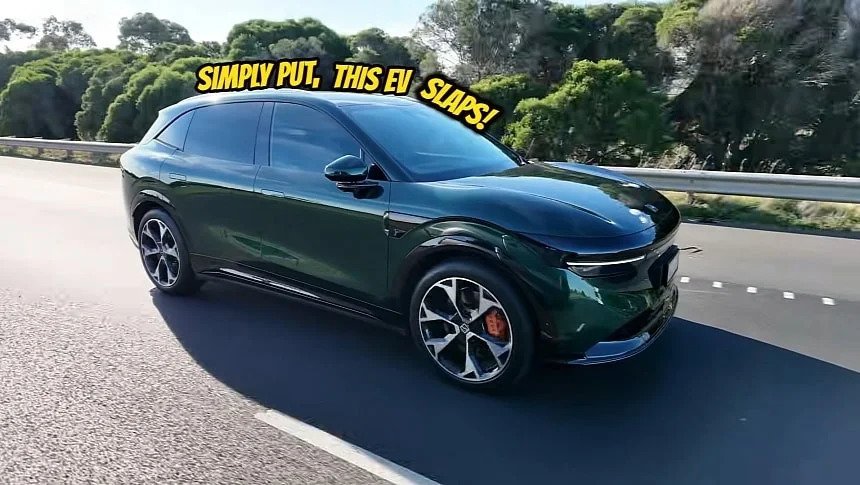
What is confirmed is that Zeekr was launched in 2021 as a premium electric vehicle marque under Geely, positioned to compete in the higher end of the EV segment rather than the budget category typically associated with early Chinese exports.
The brand has expanded quickly across select international markets, leveraging Geely’s existing global supply chains, platform engineering, and battery technology partnerships.
Its product lineup includes electric SUVs and performance-oriented models designed to compete with brands such as Tesla and European luxury EV manufacturers.
Australia has emerged as a strategically important market for electric vehicle expansion due to its growing EV adoption, relatively open automotive import structure, and high consumer interest in SUVs. However, it is also a highly competitive environment where brand trust plays a decisive role in purchase decisions.
Consumers in Australia have historically favored established Japanese, Korean, and European manufacturers, and newer Chinese entrants must overcome both price skepticism and concerns about long-term reliability, resale value, and after-sales service.
The central issue is not simply market entry, but brand legitimacy.
Zeekr’s positioning as a premium EV brand means it is not competing only on affordability, but also on perceived quality, safety standards, software integration, and dealership support.
These factors are critical in Australia, where servicing networks and spare parts availability strongly influence consumer confidence in new automotive brands.
The broader mechanism at work is the rapid normalization of Chinese EV exports into developed markets.
Over the past five years, Chinese manufacturers have moved from low-cost combustion vehicles to technologically advanced electric platforms, often incorporating competitive battery ranges, fast-charging systems, and increasingly sophisticated driver-assistance software.
This shift has challenged long-standing assumptions about automotive hierarchy and forced established manufacturers to accelerate their own electrification strategies.
In Australia, the competitive field is intensifying as multiple Chinese brands expand simultaneously, creating both opportunity and risk.
On one hand, consumers benefit from increased choice and downward pressure on pricing.
On the other, the market becomes fragmented, and individual brands must work harder to establish identity and trust.
Zeekr’s success will depend on whether it can differentiate itself not just as another EV entrant, but as a durable long-term presence with credible local support infrastructure.
The implications extend beyond a single company.
If Zeekr succeeds in building consumer confidence in Australia, it would reinforce a broader trend of Chinese premium automotive brands gaining acceptance in Western-aligned markets.
If it struggles, it may highlight persistent barriers related to brand perception and geopolitical sensitivity that continue to shape global automotive competition despite technological convergence.
For now, Zeekr’s trajectory in Australia reflects a transitional phase in the global EV industry, where technological capability is no longer the primary barrier to entry, but trust, infrastructure, and brand equity remain decisive factors in determining who ultimately wins market share.
The company’s stated trajectory toward entering or strengthening its position in Australia reflects a broader shift in which Chinese automakers are moving upmarket and directly competing with established Western and Korean brands in advanced automotive economies.
What is confirmed is that Zeekr was launched in 2021 as a premium electric vehicle marque under Geely, positioned to compete in the higher end of the EV segment rather than the budget category typically associated with early Chinese exports.
The brand has expanded quickly across select international markets, leveraging Geely’s existing global supply chains, platform engineering, and battery technology partnerships.
Its product lineup includes electric SUVs and performance-oriented models designed to compete with brands such as Tesla and European luxury EV manufacturers.
Australia has emerged as a strategically important market for electric vehicle expansion due to its growing EV adoption, relatively open automotive import structure, and high consumer interest in SUVs. However, it is also a highly competitive environment where brand trust plays a decisive role in purchase decisions.
Consumers in Australia have historically favored established Japanese, Korean, and European manufacturers, and newer Chinese entrants must overcome both price skepticism and concerns about long-term reliability, resale value, and after-sales service.
The central issue is not simply market entry, but brand legitimacy.
Zeekr’s positioning as a premium EV brand means it is not competing only on affordability, but also on perceived quality, safety standards, software integration, and dealership support.
These factors are critical in Australia, where servicing networks and spare parts availability strongly influence consumer confidence in new automotive brands.
The broader mechanism at work is the rapid normalization of Chinese EV exports into developed markets.
Over the past five years, Chinese manufacturers have moved from low-cost combustion vehicles to technologically advanced electric platforms, often incorporating competitive battery ranges, fast-charging systems, and increasingly sophisticated driver-assistance software.
This shift has challenged long-standing assumptions about automotive hierarchy and forced established manufacturers to accelerate their own electrification strategies.
In Australia, the competitive field is intensifying as multiple Chinese brands expand simultaneously, creating both opportunity and risk.
On one hand, consumers benefit from increased choice and downward pressure on pricing.
On the other, the market becomes fragmented, and individual brands must work harder to establish identity and trust.
Zeekr’s success will depend on whether it can differentiate itself not just as another EV entrant, but as a durable long-term presence with credible local support infrastructure.
The implications extend beyond a single company.
If Zeekr succeeds in building consumer confidence in Australia, it would reinforce a broader trend of Chinese premium automotive brands gaining acceptance in Western-aligned markets.
If it struggles, it may highlight persistent barriers related to brand perception and geopolitical sensitivity that continue to shape global automotive competition despite technological convergence.
For now, Zeekr’s trajectory in Australia reflects a transitional phase in the global EV industry, where technological capability is no longer the primary barrier to entry, but trust, infrastructure, and brand equity remain decisive factors in determining who ultimately wins market share.
AI Disclaimer: An advanced artificial intelligence (AI) system generated the content of this page on its own. This innovative technology conducts extensive research from a variety of reliable sources, performs rigorous fact-checking and verification, cleans up and balances biased or manipulated content, and presents a minimal factual summary that is just enough yet essential for you to function as an informed and educated citizen. Please keep in mind, however, that this system is an evolving technology, and as a result, the article may contain accidental inaccuracies or errors. We urge you to help us improve our site by reporting any inaccuracies you find using the "Contact Us" link at the bottom of this page. Your helpful feedback helps us improve our system and deliver more precise content. When you find an article of interest here, please look for the full and extensive coverage of this topic in traditional news sources, as they are written by professional journalists that we try to support, not replace. We appreciate your understanding and assistance.