Prince Harry’s Unofficial Australia Visit Reignites Tensions Within the Royal Family
A series of high-profile appearances resembling royal duties has intensified longstanding friction between the Duke of Sussex and Prince William, highlighting unresolved divisions over roles and representation.
An actor-driven family and institutional conflict within the British monarchy has resurfaced following Prince Harry’s recent visit to Australia, where his public appearances have been described as resembling a “quasi royal tour,” intensifying tensions with his brother, Prince William.
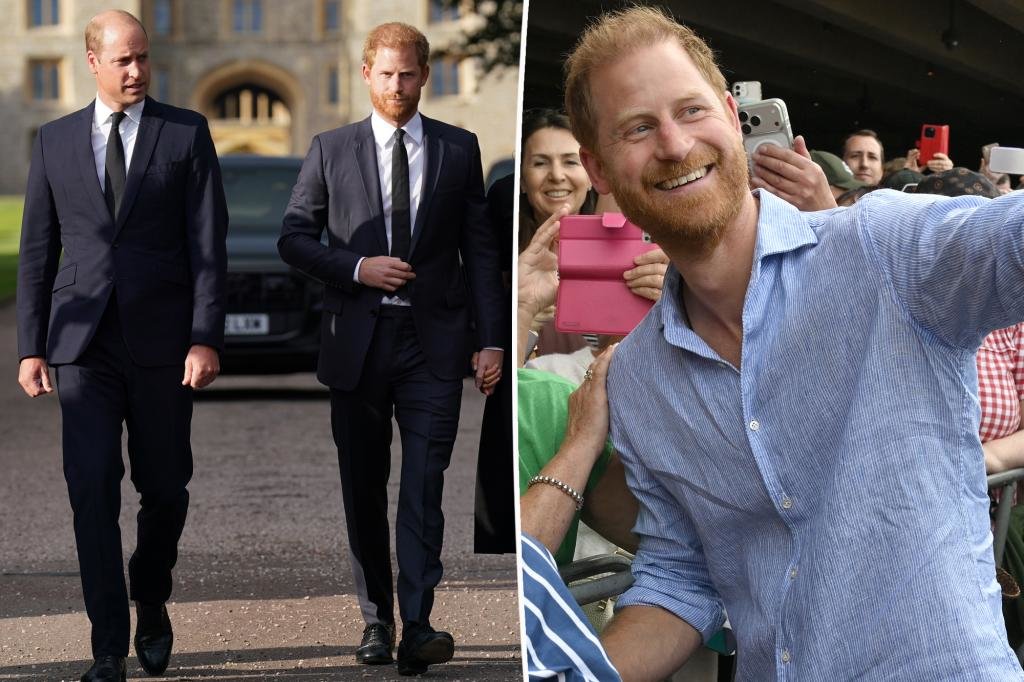
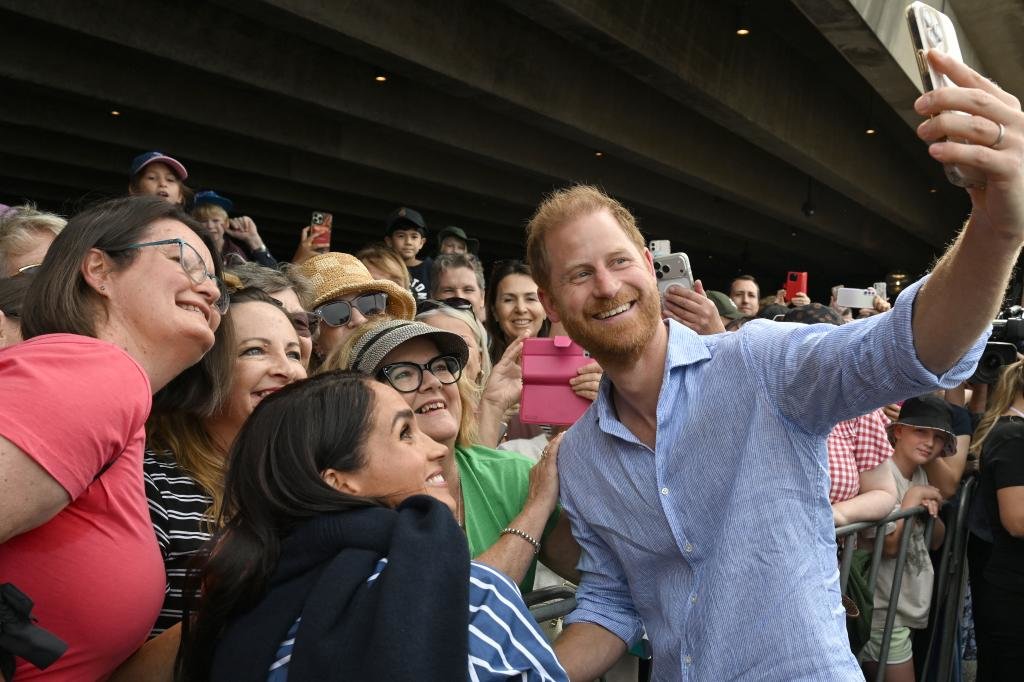
What is confirmed is that Prince Harry undertook a series of engagements in Australia that carried the hallmarks of traditional royal visits, including meetings with local organizations, public appearances, and media coverage typically associated with official duties.
These activities took place despite his formal departure from working royal responsibilities in 2020, when he and his wife stepped back from their roles within the monarchy.
The key issue is the blurred boundary between private initiatives and official representation.
Under the current arrangement, Prince Harry is no longer authorized to act on behalf of the British monarchy or represent the Crown in an official capacity.
However, appearances that resemble state or Commonwealth engagements risk creating confusion about his status, particularly in countries where the monarchy still holds constitutional significance.
This dynamic has reportedly deepened existing tensions with Prince William, who, as heir to the throne, is closely tied to maintaining institutional clarity and discipline within royal operations.
The relationship between the brothers has been strained for several years, shaped by personal disagreements, differing approaches to public life, and divergent views on the role of the monarchy in modern society.
Prince Harry’s activities in Australia are especially sensitive because of the country’s constitutional relationship with the British Crown.
As a Commonwealth realm with the monarch as head of state, Australia remains part of the formal network of nations where royal representation carries political and symbolic weight.
Public engagements that appear royal in nature, even if unofficial, intersect with that constitutional context.
The broader institutional concern is reputational control.
The monarchy relies heavily on clearly defined roles and disciplined public messaging to maintain legitimacy.
When former senior royals conduct high-visibility engagements that resemble official duties, it complicates the monarchy’s ability to manage its public identity and diplomatic signaling.
At the same time, Prince Harry’s actions reflect a different model of public engagement.
Since stepping back from royal duties, he has pursued independent philanthropic and advocacy work, often leveraging the visibility and networks built during his time as a senior royal.
Supporters argue that such activities are consistent with his personal mission and do not require formal institutional backing.
However, the overlap between personal initiatives and royal-style presentation remains a point of friction.
For Prince William and other senior figures within the monarchy, maintaining a clear distinction between official and unofficial representation is central to preserving institutional coherence, particularly as the royal family adapts to a smaller working roster and evolving public expectations.
The episode underscores how unresolved internal divisions continue to play out through public actions rather than formal statements.
Prince Harry’s Australia visit did not alter his official status, but it reinforced an ongoing tension between individual autonomy and institutional boundaries within one of the world’s most visible constitutional monarchies.
What is confirmed is that Prince Harry undertook a series of engagements in Australia that carried the hallmarks of traditional royal visits, including meetings with local organizations, public appearances, and media coverage typically associated with official duties.
These activities took place despite his formal departure from working royal responsibilities in 2020, when he and his wife stepped back from their roles within the monarchy.
The key issue is the blurred boundary between private initiatives and official representation.
Under the current arrangement, Prince Harry is no longer authorized to act on behalf of the British monarchy or represent the Crown in an official capacity.
However, appearances that resemble state or Commonwealth engagements risk creating confusion about his status, particularly in countries where the monarchy still holds constitutional significance.
This dynamic has reportedly deepened existing tensions with Prince William, who, as heir to the throne, is closely tied to maintaining institutional clarity and discipline within royal operations.
The relationship between the brothers has been strained for several years, shaped by personal disagreements, differing approaches to public life, and divergent views on the role of the monarchy in modern society.
Prince Harry’s activities in Australia are especially sensitive because of the country’s constitutional relationship with the British Crown.
As a Commonwealth realm with the monarch as head of state, Australia remains part of the formal network of nations where royal representation carries political and symbolic weight.
Public engagements that appear royal in nature, even if unofficial, intersect with that constitutional context.
The broader institutional concern is reputational control.
The monarchy relies heavily on clearly defined roles and disciplined public messaging to maintain legitimacy.
When former senior royals conduct high-visibility engagements that resemble official duties, it complicates the monarchy’s ability to manage its public identity and diplomatic signaling.
At the same time, Prince Harry’s actions reflect a different model of public engagement.
Since stepping back from royal duties, he has pursued independent philanthropic and advocacy work, often leveraging the visibility and networks built during his time as a senior royal.
Supporters argue that such activities are consistent with his personal mission and do not require formal institutional backing.
However, the overlap between personal initiatives and royal-style presentation remains a point of friction.
For Prince William and other senior figures within the monarchy, maintaining a clear distinction between official and unofficial representation is central to preserving institutional coherence, particularly as the royal family adapts to a smaller working roster and evolving public expectations.
The episode underscores how unresolved internal divisions continue to play out through public actions rather than formal statements.
Prince Harry’s Australia visit did not alter his official status, but it reinforced an ongoing tension between individual autonomy and institutional boundaries within one of the world’s most visible constitutional monarchies.
AI Disclaimer: An advanced artificial intelligence (AI) system generated the content of this page on its own. This innovative technology conducts extensive research from a variety of reliable sources, performs rigorous fact-checking and verification, cleans up and balances biased or manipulated content, and presents a minimal factual summary that is just enough yet essential for you to function as an informed and educated citizen. Please keep in mind, however, that this system is an evolving technology, and as a result, the article may contain accidental inaccuracies or errors. We urge you to help us improve our site by reporting any inaccuracies you find using the "Contact Us" link at the bottom of this page. Your helpful feedback helps us improve our system and deliver more precise content. When you find an article of interest here, please look for the full and extensive coverage of this topic in traditional news sources, as they are written by professional journalists that we try to support, not replace. We appreciate your understanding and assistance.