Australia and New Zealand Urge Respect for International Law After U.S. Capture of Venezuela’s Maduro
Canberra and Wellington call for diplomacy and legal norms after an unprecedented U.S. operation detains Venezuelan president
Australia and New Zealand have publicly affirmed their support for international law and diplomatic engagement following the shocking capture of Venezuelan President Nicolás Maduro by U.S. forces earlier this week.
The extraordinary military operation, which saw Maduro and his wife taken into U.S. custody and transported to New York to face charges related to alleged narco-terrorism, has reverberated across international capitals and drawn a wide range of reactions.
Australian Prime Minister Anthony Albanese urged all parties to prioritise dialogue and diplomacy to prevent further instability in the region, emphasising Canberra’s longstanding commitment to upholding democratic principles, human rights and the rule of law.
He confirmed that Australia is closely monitoring the unfolding situation and reiterated Canberra’s backing for a peaceful, democratic transition in Venezuela that reflects the will of the Venezuelan people.
New Zealand’s government similarly underscored the importance of respecting international legal standards, urging restraint and constructive engagement to de-escalate tensions.
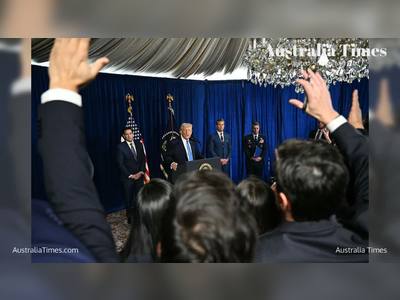
The U.S. action, executed under the direction of President Donald Trump and involving coordinated military strikes, has significantly fractured global opinion.
Supporters of the move, including some political figures in Australia, have hailed it as a decisive stance against authoritarianism and criminal networks.
Others, however, fear the unilateral use of force undermines the international legal order and could destabilise the wider region.
Global responses have varied widely, from endorsement by countries aligned with U.S. policy to condemnation from Russia, China and the United Nations, which have voiced concerns about violations of sovereignty and the principles of the United Nations Charter.
Latin American nations have also been divided in their assessments, with some governments warning that such interventions set a dangerous precedent for international relations.
Amid these geopolitical tensions, questions persist about Venezuela’s constitutional leadership and the path forward.
Vice President Delcy Rodríguez has been recognised by some domestic institutions as interim president, even as U.S. officials press for cooperation and significant pressure continues through economic measures such as maritime seizures and sanctions.
The calls from Canberra and Wellington for adherence to international law and peaceful resolution underscore a broader concern among smaller democracies about the risks of escalatory military interventions and the enduring value of multilateral frameworks in addressing complex crises.
The extraordinary military operation, which saw Maduro and his wife taken into U.S. custody and transported to New York to face charges related to alleged narco-terrorism, has reverberated across international capitals and drawn a wide range of reactions.
Australian Prime Minister Anthony Albanese urged all parties to prioritise dialogue and diplomacy to prevent further instability in the region, emphasising Canberra’s longstanding commitment to upholding democratic principles, human rights and the rule of law.
He confirmed that Australia is closely monitoring the unfolding situation and reiterated Canberra’s backing for a peaceful, democratic transition in Venezuela that reflects the will of the Venezuelan people.
New Zealand’s government similarly underscored the importance of respecting international legal standards, urging restraint and constructive engagement to de-escalate tensions.
The U.S. action, executed under the direction of President Donald Trump and involving coordinated military strikes, has significantly fractured global opinion.
Supporters of the move, including some political figures in Australia, have hailed it as a decisive stance against authoritarianism and criminal networks.
Others, however, fear the unilateral use of force undermines the international legal order and could destabilise the wider region.
Global responses have varied widely, from endorsement by countries aligned with U.S. policy to condemnation from Russia, China and the United Nations, which have voiced concerns about violations of sovereignty and the principles of the United Nations Charter.
Latin American nations have also been divided in their assessments, with some governments warning that such interventions set a dangerous precedent for international relations.
Amid these geopolitical tensions, questions persist about Venezuela’s constitutional leadership and the path forward.
Vice President Delcy Rodríguez has been recognised by some domestic institutions as interim president, even as U.S. officials press for cooperation and significant pressure continues through economic measures such as maritime seizures and sanctions.
The calls from Canberra and Wellington for adherence to international law and peaceful resolution underscore a broader concern among smaller democracies about the risks of escalatory military interventions and the enduring value of multilateral frameworks in addressing complex crises.
AI Disclaimer: An advanced artificial intelligence (AI) system generated the content of this page on its own. This innovative technology conducts extensive research from a variety of reliable sources, performs rigorous fact-checking and verification, cleans up and balances biased or manipulated content, and presents a minimal factual summary that is just enough yet essential for you to function as an informed and educated citizen. Please keep in mind, however, that this system is an evolving technology, and as a result, the article may contain accidental inaccuracies or errors. We urge you to help us improve our site by reporting any inaccuracies you find using the "Contact Us" link at the bottom of this page. Your helpful feedback helps us improve our system and deliver more precise content. When you find an article of interest here, please look for the full and extensive coverage of this topic in traditional news sources, as they are written by professional journalists that we try to support, not replace. We appreciate your understanding and assistance.