
Australia Faces Its Largest Diphtheria Outbreak on Record as Health Authorities Rush Vaccination Campaign
More than two hundred cases across remote regions have exposed gaps in booster coverage, healthcare access, and public health preparedness.
Australia’s public health system is driving the response to the country’s worst recorded diphtheria outbreak, after more than two hundred confirmed infections spread across the Northern Territory, Western Australia, South Australia, and Queensland in the first months of 2026. The outbreak has already caused at least one death and forced federal and state authorities to launch emergency vaccination and medical support programs aimed primarily at remote Indigenous communities.
What is confirmed is that the scale of the outbreak is unprecedented in modern Australian surveillance records.
National health authorities say the number of cases reported this year is roughly thirty times higher than the average seen in recent years.
The outbreak began accelerating in late 2025 and intensified sharply from February onward.
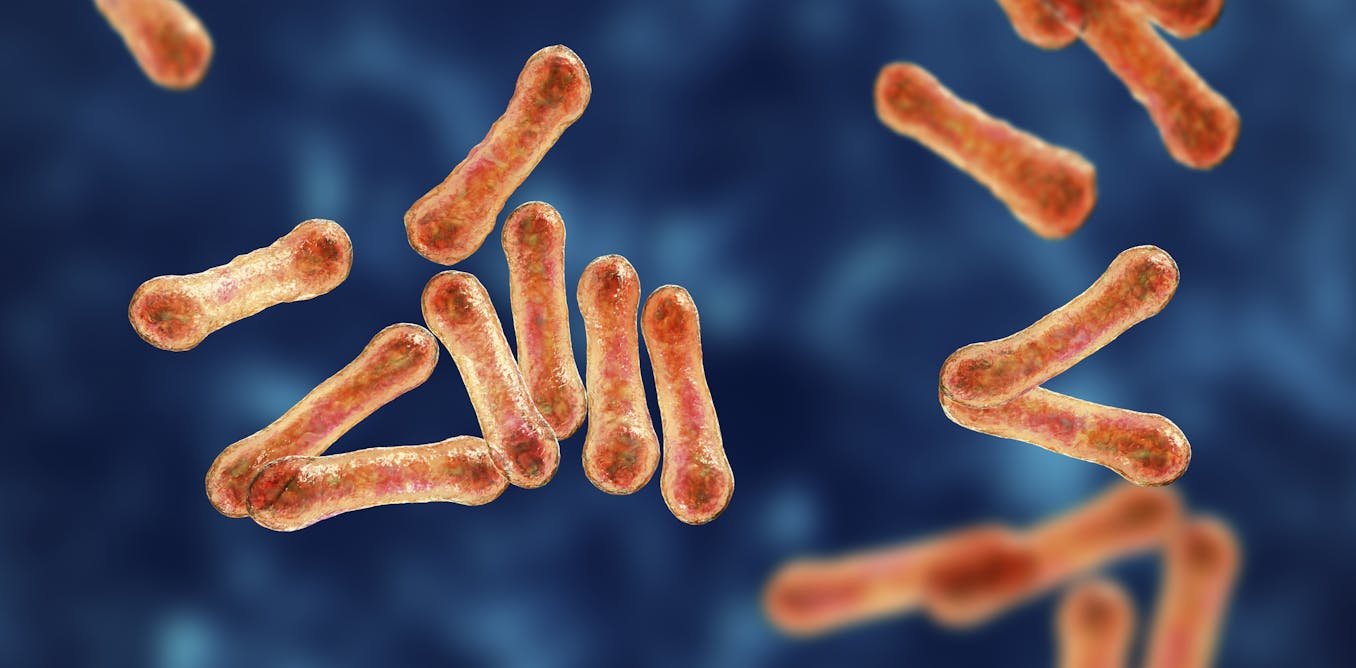
Diphtheria is a bacterial infection caused mainly by toxigenic strains of Corynebacterium diphtheriae.
The disease spreads through respiratory droplets, close physical contact, or direct contact with infected skin lesions.
Severe respiratory diphtheria can block airways and release toxins capable of damaging the heart and nervous system.
Without rapid treatment, the disease can become fatal.
The current outbreak differs from the historical image many Australians associate with diphtheria.
Most infections in 2026 have been cutaneous diphtheria, a skin form of the disease that produces chronic ulcers and spreads more easily in overcrowded or unhygienic conditions.
Roughly one third of cases have involved respiratory infection, the more dangerous form associated with severe complications and death.
The concentration of infections in remote Aboriginal and Torres Strait Islander communities has become one of the defining features of the crisis.
Health data shows the overwhelming majority of cases have occurred among Indigenous Australians, particularly in remote regions of the Northern Territory and Western Australia.
Many affected communities face overcrowded housing, limited access to healthcare workers, poor sanitation infrastructure, and long travel distances to hospitals or vaccination services.
The outbreak has also exposed weaknesses in Australia’s vaccination system that extend beyond anti-vaccine activism.
Childhood vaccination rates remain comparatively high nationally, including among many Indigenous children, but booster coverage among teenagers and adults has fallen significantly.
Health officials say immunity weakens over time and adults who have not received booster doses for many years remain vulnerable.
Routine childhood immunisation rates declined during and after the COVID-19 pandemic, reaching their lowest levels in several years by 2025. Public health officials say missed appointments, healthcare disruptions, workforce shortages, and declining trust in vaccination programs collectively weakened community protection.
The problem is particularly acute in remote regions where healthcare access is inconsistent and medical staffing shortages are chronic.
Federal authorities have now committed millions of dollars in emergency funding to expand vaccine delivery, deploy surge medical teams, secure antibiotics, and strengthen outbreak management.
Additional staff are being sent into affected communities to conduct contact tracing, administer booster shots, and treat infections before they become severe.
Health agencies are also revising practical guidance for high-risk groups.
In some remote Indigenous communities, adults are now being advised to receive diphtheria booster shots every five years instead of relying solely on the broader standard adult schedule.
Authorities are urging people with sore throats, fever, breathing difficulty, or unexplained skin ulcers to seek medical care immediately.
The outbreak has revived debate about the durability of Australia’s public health infrastructure outside major cities.
Clinicians working in remote regions have warned for years that chronic underinvestment, staffing shortages, and limited preventative healthcare create conditions where preventable diseases can return despite high-income national status.
Diphtheria had been largely controlled in Australia for decades through mass immunisation, making the current resurgence particularly alarming for infectious disease specialists.
The episode also highlights a critical scientific reality often misunderstood in public debate: vaccination sharply reduces severe disease and death but does not always completely stop bacterial carriage or transmission.
Health authorities say many infected people had received at least part of the recommended vaccine schedule, but vaccinated individuals generally experienced milder illness than unvaccinated patients.
For the Albanese government, the outbreak has become both a public health emergency and a test of healthcare equity.
The immediate goal is containment, but the broader challenge is structural.
The spread of a vaccine-preventable disease across remote Australia has revealed how fragile disease control becomes when routine healthcare access weakens, booster programs lapse, and disadvantaged communities remain medically underserved.
The national response is now shifting from short-term containment toward sustained immunisation and regional healthcare reinforcement, with emergency vaccination teams already operating across affected territories and states.
What is confirmed is that the scale of the outbreak is unprecedented in modern Australian surveillance records.
National health authorities say the number of cases reported this year is roughly thirty times higher than the average seen in recent years.
The outbreak began accelerating in late 2025 and intensified sharply from February onward.
Diphtheria is a bacterial infection caused mainly by toxigenic strains of Corynebacterium diphtheriae.
The disease spreads through respiratory droplets, close physical contact, or direct contact with infected skin lesions.
Severe respiratory diphtheria can block airways and release toxins capable of damaging the heart and nervous system.
Without rapid treatment, the disease can become fatal.
The current outbreak differs from the historical image many Australians associate with diphtheria.
Most infections in 2026 have been cutaneous diphtheria, a skin form of the disease that produces chronic ulcers and spreads more easily in overcrowded or unhygienic conditions.
Roughly one third of cases have involved respiratory infection, the more dangerous form associated with severe complications and death.
The concentration of infections in remote Aboriginal and Torres Strait Islander communities has become one of the defining features of the crisis.
Health data shows the overwhelming majority of cases have occurred among Indigenous Australians, particularly in remote regions of the Northern Territory and Western Australia.
Many affected communities face overcrowded housing, limited access to healthcare workers, poor sanitation infrastructure, and long travel distances to hospitals or vaccination services.
The outbreak has also exposed weaknesses in Australia’s vaccination system that extend beyond anti-vaccine activism.
Childhood vaccination rates remain comparatively high nationally, including among many Indigenous children, but booster coverage among teenagers and adults has fallen significantly.
Health officials say immunity weakens over time and adults who have not received booster doses for many years remain vulnerable.
Routine childhood immunisation rates declined during and after the COVID-19 pandemic, reaching their lowest levels in several years by 2025. Public health officials say missed appointments, healthcare disruptions, workforce shortages, and declining trust in vaccination programs collectively weakened community protection.
The problem is particularly acute in remote regions where healthcare access is inconsistent and medical staffing shortages are chronic.
Federal authorities have now committed millions of dollars in emergency funding to expand vaccine delivery, deploy surge medical teams, secure antibiotics, and strengthen outbreak management.
Additional staff are being sent into affected communities to conduct contact tracing, administer booster shots, and treat infections before they become severe.
Health agencies are also revising practical guidance for high-risk groups.
In some remote Indigenous communities, adults are now being advised to receive diphtheria booster shots every five years instead of relying solely on the broader standard adult schedule.
Authorities are urging people with sore throats, fever, breathing difficulty, or unexplained skin ulcers to seek medical care immediately.
The outbreak has revived debate about the durability of Australia’s public health infrastructure outside major cities.
Clinicians working in remote regions have warned for years that chronic underinvestment, staffing shortages, and limited preventative healthcare create conditions where preventable diseases can return despite high-income national status.
Diphtheria had been largely controlled in Australia for decades through mass immunisation, making the current resurgence particularly alarming for infectious disease specialists.
The episode also highlights a critical scientific reality often misunderstood in public debate: vaccination sharply reduces severe disease and death but does not always completely stop bacterial carriage or transmission.
Health authorities say many infected people had received at least part of the recommended vaccine schedule, but vaccinated individuals generally experienced milder illness than unvaccinated patients.
For the Albanese government, the outbreak has become both a public health emergency and a test of healthcare equity.
The immediate goal is containment, but the broader challenge is structural.
The spread of a vaccine-preventable disease across remote Australia has revealed how fragile disease control becomes when routine healthcare access weakens, booster programs lapse, and disadvantaged communities remain medically underserved.
The national response is now shifting from short-term containment toward sustained immunisation and regional healthcare reinforcement, with emergency vaccination teams already operating across affected territories and states.
AI Disclaimer: An advanced artificial intelligence (AI) system generated the content of this page on its own. This innovative technology conducts extensive research from a variety of reliable sources, performs rigorous fact-checking and verification, cleans up and balances biased or manipulated content, and presents a minimal factual summary that is just enough yet essential for you to function as an informed and educated citizen. Please keep in mind, however, that this system is an evolving technology, and as a result, the article may contain accidental inaccuracies or errors. We urge you to help us improve our site by reporting any inaccuracies you find using the "Contact Us" link at the bottom of this page. Your helpful feedback helps us improve our system and deliver more precise content. When you find an article of interest here, please look for the full and extensive coverage of this topic in traditional news sources, as they are written by professional journalists that we try to support, not replace. We appreciate your understanding and assistance.