Australia’s One Nation Pushes State Oil Fund Model in Major Shift on Energy Nationalism
Pauline Hanson’s party wants Canberra to take direct stakes in offshore oil and gas projects, reviving a Norway-style resource strategy as energy security and domestic supply dominate Australian politics.
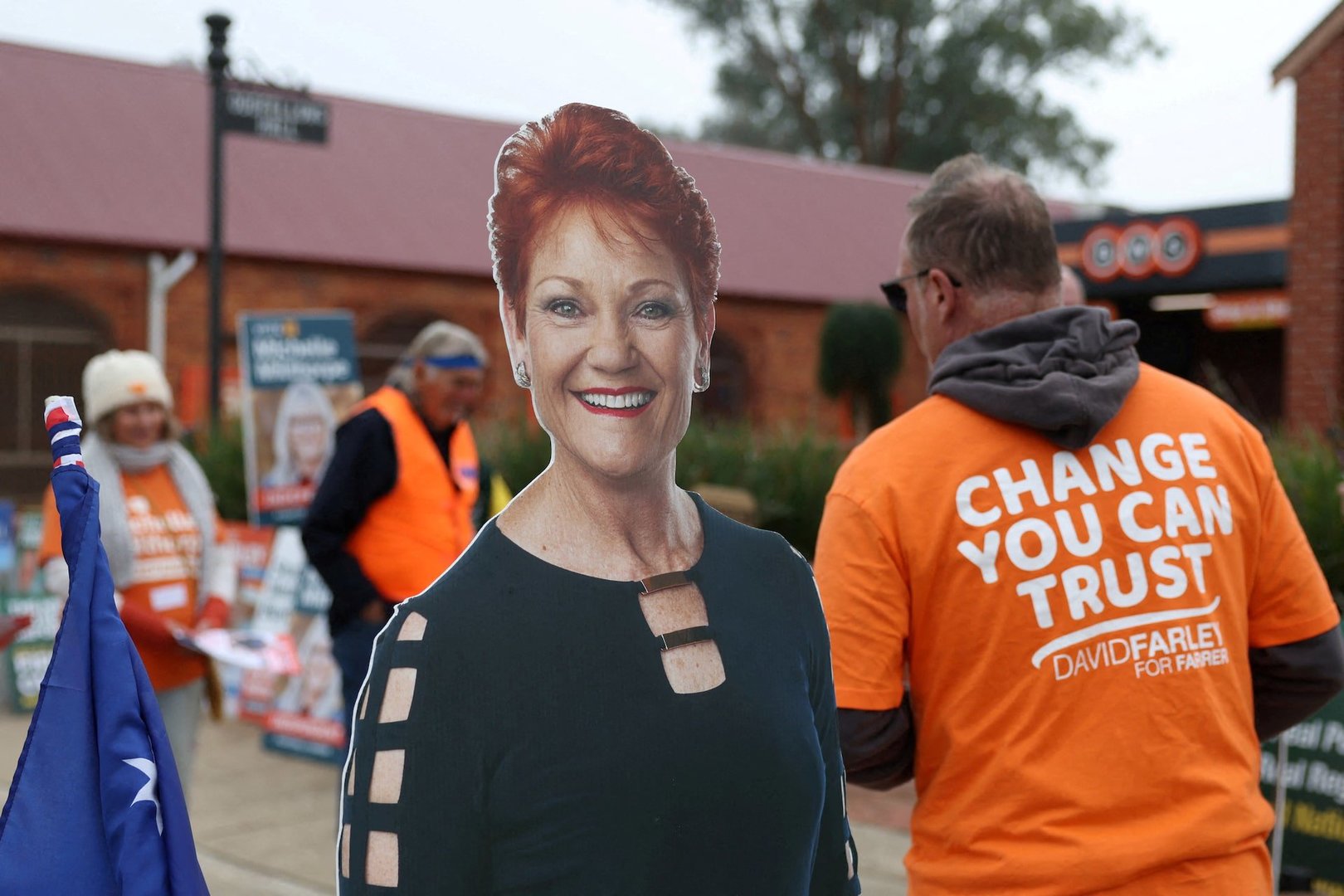
Australia’s energy policy debate is being reshaped by a new proposal from Pauline Hanson’s One Nation party to create a sovereign wealth structure modeled partly on Norway’s state-backed petroleum system, with the federal government taking ownership stakes in offshore oil and gas projects.
The proposal marks one of the most interventionist energy platforms advanced by a major Australian political force in years.
One Nation wants Canberra to acquire up to a thirty percent stake in new offshore oil and gas developments in Commonwealth waters through a new entity called the Australian National Wealth Investment Corporation.
The party says the model would allow taxpayers to capture a larger share of profits from natural resources while strengthening domestic fuel security.
The plan was unveiled at the Australian Energy Producers conference in Adelaide, where Hanson positioned the policy as a direct response to rising concern over Australia’s energy costs, declining refining capacity, and dependence on imported fuel.
Australia remains one of the world’s largest exporters of liquefied natural gas, yet domestic manufacturers and households have faced repeated warnings about tightening supply and elevated prices on the east coast.
Under the proposal, the federal government would co-invest in offshore projects, share development and decommissioning costs, and reserve part of production for domestic uses including transport fuels and fertilizer manufacturing.
Approval times for major projects would also be reduced to six months, reflecting broader pressure from industry to accelerate environmental and regulatory processes.
The political significance extends beyond the policy details.
One Nation has gained momentum after recent electoral gains and growing backing from sections of the mining and energy sector.
Australia’s richest person, Gina Rinehart, has publicly supported the party and recently provided high-profile logistical and financial assistance.
That support has amplified scrutiny of One Nation’s energy agenda and increased pressure on both Labor and the conservative opposition.
The proposal arrives during a broader international shift toward resource nationalism and energy-security planning.
Governments across Europe, North America and Asia are reassessing strategic control over fuel supplies after years of geopolitical disruptions, supply-chain shocks and volatile commodity markets.
Norway’s sovereign wealth model, built from state participation in oil production and aggressive taxation of petroleum profits, has increasingly become a reference point in Australian political debate.
Australia, despite vast natural-resource wealth, has long operated under a different framework.
Offshore petroleum projects are typically led by private companies, while government revenue is collected mainly through company taxes and the Petroleum Resource Rent Tax.
Critics across the political spectrum have argued for years that Australia captures comparatively less long-term public wealth from gas exports than countries such as Norway.
One Nation’s policy attempts to exploit that frustration while also separating itself from traditional free-market conservatism.
Hanson explicitly rejected accusations that the proposal amounted to nationalization or socialism, describing the model instead as an industry-led partnership in which government equity would align public and private interests.
The reaction inside the energy sector has been mixed.
Some executives acknowledged that direct state participation could reduce political conflict over approvals and domestic supply obligations.
Others warned the plan could increase taxpayer exposure to expensive and risky offshore projects at a time when energy markets are rapidly changing.
The proposal also collides with competing approaches now emerging in Australian politics.
The Labor government recently announced stronger domestic gas reservation measures requiring a portion of production to remain available for Australian users.
Industry groups strongly opposed those rules, arguing they undermine investment certainty and export competitiveness.
One Nation has rejected Labor’s reservation framework while simultaneously proposing far deeper state involvement through ownership stakes and sovereign investment mechanisms.
Analysts note the contradiction reflects a broader ideological realignment in parts of the populist right, where energy security and industrial policy are increasingly outweighing traditional anti-government economic doctrine.
Another layer of tension comes from the party’s uneven stance on fossil-fuel extraction itself.
While Hanson advocates expanded offshore oil and gas development federally, One Nation figures in South Australia have opposed some onshore fracking projects, particularly near agricultural land.
That split highlights the political difficulty of promoting aggressive resource expansion while managing local environmental resistance.
The economics behind the proposal remain contested.
Norway’s system was built over decades through direct state investment, heavy taxation and a comparatively small population relative to resource income.
Australia’s liquefied natural gas sector operates differently, with large export-oriented projects that often require enormous upfront capital expenditure and long lead times before profits emerge.
Critics argue that replicating Norway’s model would require the Australian government to absorb major financial risks that private companies currently carry.
Supporters counter that taxpayers already shoulder substantial indirect risk through infrastructure support, regulatory concessions and strategic energy subsidies while receiving limited long-term national wealth accumulation in return.
The argument has gained traction as concerns grow over Australia exporting large volumes of gas while importing refined fuels and facing periodic domestic supply anxiety.
The proposal is unlikely to become federal policy in the near term, but its emergence reflects a deeper change in Australian political debate.
Questions once considered fringe — including sovereign wealth expansion, state participation in resource projects and stronger domestic control over energy supply — are moving closer to the center of national discussion.
The immediate consequence is that Australia’s next phase of energy politics will no longer revolve solely around climate targets and emissions policy.
Control of resources, ownership of strategic industries and the distribution of energy profits are now becoming central battlegrounds in the country’s economic future.
The proposal marks one of the most interventionist energy platforms advanced by a major Australian political force in years.
One Nation wants Canberra to acquire up to a thirty percent stake in new offshore oil and gas developments in Commonwealth waters through a new entity called the Australian National Wealth Investment Corporation.
The party says the model would allow taxpayers to capture a larger share of profits from natural resources while strengthening domestic fuel security.
The plan was unveiled at the Australian Energy Producers conference in Adelaide, where Hanson positioned the policy as a direct response to rising concern over Australia’s energy costs, declining refining capacity, and dependence on imported fuel.
Australia remains one of the world’s largest exporters of liquefied natural gas, yet domestic manufacturers and households have faced repeated warnings about tightening supply and elevated prices on the east coast.
Under the proposal, the federal government would co-invest in offshore projects, share development and decommissioning costs, and reserve part of production for domestic uses including transport fuels and fertilizer manufacturing.
Approval times for major projects would also be reduced to six months, reflecting broader pressure from industry to accelerate environmental and regulatory processes.
The political significance extends beyond the policy details.
One Nation has gained momentum after recent electoral gains and growing backing from sections of the mining and energy sector.
Australia’s richest person, Gina Rinehart, has publicly supported the party and recently provided high-profile logistical and financial assistance.
That support has amplified scrutiny of One Nation’s energy agenda and increased pressure on both Labor and the conservative opposition.
The proposal arrives during a broader international shift toward resource nationalism and energy-security planning.
Governments across Europe, North America and Asia are reassessing strategic control over fuel supplies after years of geopolitical disruptions, supply-chain shocks and volatile commodity markets.
Norway’s sovereign wealth model, built from state participation in oil production and aggressive taxation of petroleum profits, has increasingly become a reference point in Australian political debate.
Australia, despite vast natural-resource wealth, has long operated under a different framework.
Offshore petroleum projects are typically led by private companies, while government revenue is collected mainly through company taxes and the Petroleum Resource Rent Tax.
Critics across the political spectrum have argued for years that Australia captures comparatively less long-term public wealth from gas exports than countries such as Norway.
One Nation’s policy attempts to exploit that frustration while also separating itself from traditional free-market conservatism.
Hanson explicitly rejected accusations that the proposal amounted to nationalization or socialism, describing the model instead as an industry-led partnership in which government equity would align public and private interests.
The reaction inside the energy sector has been mixed.
Some executives acknowledged that direct state participation could reduce political conflict over approvals and domestic supply obligations.
Others warned the plan could increase taxpayer exposure to expensive and risky offshore projects at a time when energy markets are rapidly changing.
The proposal also collides with competing approaches now emerging in Australian politics.
The Labor government recently announced stronger domestic gas reservation measures requiring a portion of production to remain available for Australian users.
Industry groups strongly opposed those rules, arguing they undermine investment certainty and export competitiveness.
One Nation has rejected Labor’s reservation framework while simultaneously proposing far deeper state involvement through ownership stakes and sovereign investment mechanisms.
Analysts note the contradiction reflects a broader ideological realignment in parts of the populist right, where energy security and industrial policy are increasingly outweighing traditional anti-government economic doctrine.
Another layer of tension comes from the party’s uneven stance on fossil-fuel extraction itself.
While Hanson advocates expanded offshore oil and gas development federally, One Nation figures in South Australia have opposed some onshore fracking projects, particularly near agricultural land.
That split highlights the political difficulty of promoting aggressive resource expansion while managing local environmental resistance.
The economics behind the proposal remain contested.
Norway’s system was built over decades through direct state investment, heavy taxation and a comparatively small population relative to resource income.
Australia’s liquefied natural gas sector operates differently, with large export-oriented projects that often require enormous upfront capital expenditure and long lead times before profits emerge.
Critics argue that replicating Norway’s model would require the Australian government to absorb major financial risks that private companies currently carry.
Supporters counter that taxpayers already shoulder substantial indirect risk through infrastructure support, regulatory concessions and strategic energy subsidies while receiving limited long-term national wealth accumulation in return.
The argument has gained traction as concerns grow over Australia exporting large volumes of gas while importing refined fuels and facing periodic domestic supply anxiety.
The proposal is unlikely to become federal policy in the near term, but its emergence reflects a deeper change in Australian political debate.
Questions once considered fringe — including sovereign wealth expansion, state participation in resource projects and stronger domestic control over energy supply — are moving closer to the center of national discussion.
The immediate consequence is that Australia’s next phase of energy politics will no longer revolve solely around climate targets and emissions policy.
Control of resources, ownership of strategic industries and the distribution of energy profits are now becoming central battlegrounds in the country’s economic future.
AI Disclaimer: An advanced artificial intelligence (AI) system generated the content of this page on its own. This innovative technology conducts extensive research from a variety of reliable sources, performs rigorous fact-checking and verification, cleans up and balances biased or manipulated content, and presents a minimal factual summary that is just enough yet essential for you to function as an informed and educated citizen. Please keep in mind, however, that this system is an evolving technology, and as a result, the article may contain accidental inaccuracies or errors. We urge you to help us improve our site by reporting any inaccuracies you find using the "Contact Us" link at the bottom of this page. Your helpful feedback helps us improve our system and deliver more precise content. When you find an article of interest here, please look for the full and extensive coverage of this topic in traditional news sources, as they are written by professional journalists that we try to support, not replace. We appreciate your understanding and assistance.