Australia Faces New Test Over Reintegrating Families Returned From ISIS-Controlled Syria
The return of Australian women and children from Syrian detention camps has shifted the national debate from repatriation to prosecution, rehabilitation and long-term security management.
Australia’s counterterrorism and reintegration system is under renewed scrutiny after the return of four Australian women and nine children from detention camps in northeastern Syria, reopening a politically volatile debate over how democratic states handle citizens linked to the Islamic State group.
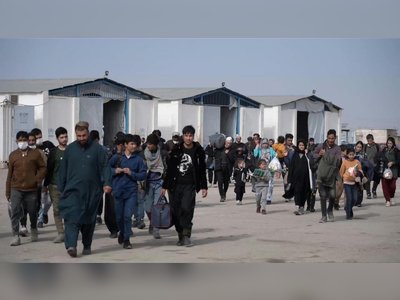
The latest arrivals were transferred from Syrian camps after years in legal and diplomatic limbo.
Australian authorities confirmed that several of the women were immediately arrested and charged with serious offences, including alleged crimes against humanity tied to enslavement during the Islamic State’s control of territory in Syria and Iraq.
The children entered welfare and support systems upon arrival.
The central issue is no longer whether these citizens can legally return.
Australian law provides limited grounds to permanently block citizens from re-entering the country.
The operational challenge now is what happens after arrival: prosecution where evidence exists, monitoring where risks remain, and reintegration for children and family members who spent formative years inside extremist environments.
Researchers, counterterrorism specialists and community organisations are increasingly pointing to Kosovo as one of the clearest international examples of a structured reintegration model.
Kosovo repatriated more than one hundred citizens from Syria in 2019 and established a dedicated state-led rehabilitation framework involving psychiatric care, social support, education, religious counselling and long-term community supervision.
The comparison matters because Australia is confronting the same strategic dilemma facing many Western governments since the collapse of ISIS territory in 2019. Leaving citizens indefinitely in Syrian detention camps carries security, legal and humanitarian risks.
Bringing them home creates domestic political backlash and requires years of expensive monitoring and rehabilitation.
What is confirmed is that Australian authorities had already been preparing for potential returns for years.
Police and intelligence agencies collected evidence related to Australians who travelled to Syria after the rise of ISIS in 2014. Some returnees are now facing terrorism-related investigations and criminal prosecutions based on conduct allegedly committed overseas.
The latest arrests intensified political tensions inside Australia.
Opposition figures argued the government should have done more to prevent the women from returning, while legal experts countered that Australia has few lawful mechanisms to permanently exclude citizens who possess valid passports and citizenship rights.
The Albanese government publicly adopted a hard rhetorical line toward ISIS-linked returnees, stressing that adults suspected of crimes would face investigation and prosecution.
At the same time, officials acknowledged that children are treated differently under Australian law and policy.
Most of the children returned from Syria were either born in conflict zones or taken there as minors.
Authorities and child welfare specialists regard them primarily as vulnerable dependents rather than ideological actors.
That distinction is critical to how reintegration programs operate.
International research into post-ISIS rehabilitation has repeatedly shown that blanket approaches often fail because women and children linked to extremist groups do not fit a single profile.
Some women actively supported ISIS ideology and operations.
Others were coerced, trafficked, married as minors or trapped inside militant-controlled territory after arriving.
Researchers studying reintegration programs across multiple countries argue that many counter-extremism systems were originally designed around male fighters and prison-based deradicalisation models.
Women often face different risks after return, including social isolation, trauma, stigma and difficulties accessing employment, education and mental health care.
Kosovo’s experience has attracted attention because its approach moved beyond purely punitive measures.
Authorities there combined security monitoring with sustained community engagement, including the involvement of religious leaders, psychologists, schools and municipal services.
The aim was not only to reduce immediate security threats but also to prevent long-term alienation that could increase radicalisation risks later.
Australian experts now argue that community trust will become one of the decisive factors in whether reintegration efforts succeed.
Muslim communities in Australia have already faced years of scrutiny tied to terrorism investigations, and analysts warn that broad public hostility toward returnees can undermine rehabilitation efforts, particularly for children.
The issue also intersects with a wider shift in global counterterrorism policy.
During the peak years of ISIS expansion, many Western governments focused primarily on preventing citizens from travelling to Syria and Iraq.
After the collapse of the so-called caliphate, the policy challenge evolved into managing detained nationals scattered across unstable camps controlled by Kurdish-led forces in northeastern Syria.
Security agencies have repeatedly warned that the camps themselves became incubators for extremism, violence and organised radical networks.
Conditions inside camps such as al-Roj and al-Hol deteriorated over time, with reports of militant intimidation, child indoctrination and limited access to education or healthcare.
That reality strengthened the argument among some policymakers that supervised repatriation presents lower long-term risks than indefinite detention abroad.
Under that logic, returning citizens allows governments to prosecute suspects under domestic law, place individuals under monitoring systems and provide intervention programs for children before extremist identities harden further.
Critics remain unconvinced.
Some argue reintegration programs underestimate ideological commitment among adult returnees.
Others question whether governments can realistically monitor high-risk individuals over many years without placing heavy strain on intelligence and policing resources.
The Australian Federal Police and intelligence agencies already face growing workloads tied to online extremism, youth radicalisation and lone-actor threats.
Adding long-term supervision of ISIS-linked returnees increases those operational demands significantly.
The broader political risk for the government is that any future security incident involving a returnee would immediately trigger accusations that rehabilitation efforts failed.
That pressure partly explains why Australian officials continue to emphasise prosecution and law enforcement alongside reintegration.
At the same time, the legal process itself may prove difficult.
Gathering admissible evidence from war zones remains notoriously complex.
Witnesses are dispersed across multiple countries, crime scenes have vanished and battlefield intelligence does not always translate into evidence usable in civilian courts.
Even so, Australia’s latest repatriation has already established a new phase in the country’s post-ISIS response.
The debate is no longer hypothetical.
Australian citizens linked to the collapse of ISIS territory are now physically back inside the country, inside the court system and inside community rehabilitation programs.
The next stage will be measured less by political rhetoric than by whether Australia can simultaneously prosecute serious offenders, protect public safety and prevent another generation of children shaped by extremist conflict from remaining trapped inside it.
The latest arrivals were transferred from Syrian camps after years in legal and diplomatic limbo.
Australian authorities confirmed that several of the women were immediately arrested and charged with serious offences, including alleged crimes against humanity tied to enslavement during the Islamic State’s control of territory in Syria and Iraq.
The children entered welfare and support systems upon arrival.
The central issue is no longer whether these citizens can legally return.
Australian law provides limited grounds to permanently block citizens from re-entering the country.
The operational challenge now is what happens after arrival: prosecution where evidence exists, monitoring where risks remain, and reintegration for children and family members who spent formative years inside extremist environments.
Researchers, counterterrorism specialists and community organisations are increasingly pointing to Kosovo as one of the clearest international examples of a structured reintegration model.
Kosovo repatriated more than one hundred citizens from Syria in 2019 and established a dedicated state-led rehabilitation framework involving psychiatric care, social support, education, religious counselling and long-term community supervision.
The comparison matters because Australia is confronting the same strategic dilemma facing many Western governments since the collapse of ISIS territory in 2019. Leaving citizens indefinitely in Syrian detention camps carries security, legal and humanitarian risks.
Bringing them home creates domestic political backlash and requires years of expensive monitoring and rehabilitation.
What is confirmed is that Australian authorities had already been preparing for potential returns for years.
Police and intelligence agencies collected evidence related to Australians who travelled to Syria after the rise of ISIS in 2014. Some returnees are now facing terrorism-related investigations and criminal prosecutions based on conduct allegedly committed overseas.
The latest arrests intensified political tensions inside Australia.
Opposition figures argued the government should have done more to prevent the women from returning, while legal experts countered that Australia has few lawful mechanisms to permanently exclude citizens who possess valid passports and citizenship rights.
The Albanese government publicly adopted a hard rhetorical line toward ISIS-linked returnees, stressing that adults suspected of crimes would face investigation and prosecution.
At the same time, officials acknowledged that children are treated differently under Australian law and policy.
Most of the children returned from Syria were either born in conflict zones or taken there as minors.
Authorities and child welfare specialists regard them primarily as vulnerable dependents rather than ideological actors.
That distinction is critical to how reintegration programs operate.
International research into post-ISIS rehabilitation has repeatedly shown that blanket approaches often fail because women and children linked to extremist groups do not fit a single profile.
Some women actively supported ISIS ideology and operations.
Others were coerced, trafficked, married as minors or trapped inside militant-controlled territory after arriving.
Researchers studying reintegration programs across multiple countries argue that many counter-extremism systems were originally designed around male fighters and prison-based deradicalisation models.
Women often face different risks after return, including social isolation, trauma, stigma and difficulties accessing employment, education and mental health care.
Kosovo’s experience has attracted attention because its approach moved beyond purely punitive measures.
Authorities there combined security monitoring with sustained community engagement, including the involvement of religious leaders, psychologists, schools and municipal services.
The aim was not only to reduce immediate security threats but also to prevent long-term alienation that could increase radicalisation risks later.
Australian experts now argue that community trust will become one of the decisive factors in whether reintegration efforts succeed.
Muslim communities in Australia have already faced years of scrutiny tied to terrorism investigations, and analysts warn that broad public hostility toward returnees can undermine rehabilitation efforts, particularly for children.
The issue also intersects with a wider shift in global counterterrorism policy.
During the peak years of ISIS expansion, many Western governments focused primarily on preventing citizens from travelling to Syria and Iraq.
After the collapse of the so-called caliphate, the policy challenge evolved into managing detained nationals scattered across unstable camps controlled by Kurdish-led forces in northeastern Syria.
Security agencies have repeatedly warned that the camps themselves became incubators for extremism, violence and organised radical networks.
Conditions inside camps such as al-Roj and al-Hol deteriorated over time, with reports of militant intimidation, child indoctrination and limited access to education or healthcare.
That reality strengthened the argument among some policymakers that supervised repatriation presents lower long-term risks than indefinite detention abroad.
Under that logic, returning citizens allows governments to prosecute suspects under domestic law, place individuals under monitoring systems and provide intervention programs for children before extremist identities harden further.
Critics remain unconvinced.
Some argue reintegration programs underestimate ideological commitment among adult returnees.
Others question whether governments can realistically monitor high-risk individuals over many years without placing heavy strain on intelligence and policing resources.
The Australian Federal Police and intelligence agencies already face growing workloads tied to online extremism, youth radicalisation and lone-actor threats.
Adding long-term supervision of ISIS-linked returnees increases those operational demands significantly.
The broader political risk for the government is that any future security incident involving a returnee would immediately trigger accusations that rehabilitation efforts failed.
That pressure partly explains why Australian officials continue to emphasise prosecution and law enforcement alongside reintegration.
At the same time, the legal process itself may prove difficult.
Gathering admissible evidence from war zones remains notoriously complex.
Witnesses are dispersed across multiple countries, crime scenes have vanished and battlefield intelligence does not always translate into evidence usable in civilian courts.
Even so, Australia’s latest repatriation has already established a new phase in the country’s post-ISIS response.
The debate is no longer hypothetical.
Australian citizens linked to the collapse of ISIS territory are now physically back inside the country, inside the court system and inside community rehabilitation programs.
The next stage will be measured less by political rhetoric than by whether Australia can simultaneously prosecute serious offenders, protect public safety and prevent another generation of children shaped by extremist conflict from remaining trapped inside it.
AI Disclaimer: An advanced artificial intelligence (AI) system generated the content of this page on its own. This innovative technology conducts extensive research from a variety of reliable sources, performs rigorous fact-checking and verification, cleans up and balances biased or manipulated content, and presents a minimal factual summary that is just enough yet essential for you to function as an informed and educated citizen. Please keep in mind, however, that this system is an evolving technology, and as a result, the article may contain accidental inaccuracies or errors. We urge you to help us improve our site by reporting any inaccuracies you find using the "Contact Us" link at the bottom of this page. Your helpful feedback helps us improve our system and deliver more precise content. When you find an article of interest here, please look for the full and extensive coverage of this topic in traditional news sources, as they are written by professional journalists that we try to support, not replace. We appreciate your understanding and assistance.