Australian Court Finds Coles Used Misleading Discounts in Landmark Supermarket Pricing Case
The ruling against one of Australia’s largest grocery chains intensifies pressure on the country’s supermarket sector and could reshape how retailers advertise discounts nationwide.
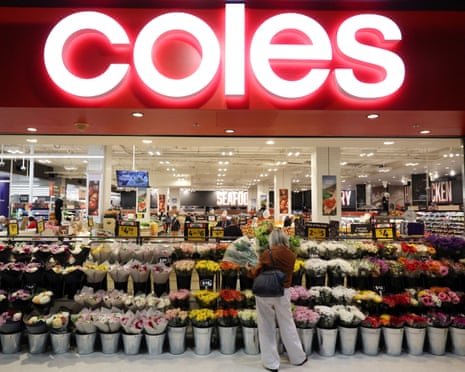
Australia’s consumer protection system is driving a major reckoning for supermarket pricing practices after the Federal Court ruled that Coles misled shoppers through deceptive “Down Down” discount promotions.
The judgment is one of the most significant retail consumer law decisions in Australia in years and lands at a politically sensitive moment marked by high living costs, food inflation, and widespread distrust of the country’s dominant supermarket chains.
What is confirmed is that the Federal Court found Coles breached Australian consumer law by promoting discounts that were not genuine.
The case centered on 245 products sold between 2022 and 2023 under Coles’ long-running “Down Down” campaign, one of the company’s most recognizable pricing brands.
The Australian Competition and Consumer Commission argued that Coles temporarily increased prices on products by at least 15 percent for relatively short periods before advertising reduced “sale” prices that were still equal to or higher than earlier long-term prices.
The court accepted the regulator’s core argument.
Justice Michael O’Bryan found that 13 of the 14 sample discount promotions examined during the trial were misleading because the products had not been sold at the higher “was” price for a reasonable period before the advertised discount was applied.
The ruling did not find that Coles unlawfully increased prices in response to inflation or supplier cost pressures.
The judge accepted that many of the initial price rises were commercially justified.
The deception arose from how those prices were later presented to consumers as discounts.
The distinction matters because the case was fundamentally about representation, not price controls.
Australian law does not prohibit retailers from raising prices.
It does prohibit businesses from creating the false impression of savings through manipulated reference pricing.
The court’s reasoning focused heavily on duration.
Coles had previously maintained internal guidance suggesting products should remain at a higher price for at least 12 weeks before any discount claim could reasonably imply a genuine reduction.
Evidence presented during the case showed that period had been shortened significantly during a time of intense inflation and competitive pressure.
That change became central to the court’s findings.
The products involved included widely purchased household items such as soft drinks, toothpaste, breakfast cereal, chocolate, butter, and baby formula.
The regulator argued that consumers relied on discount labels to manage budgets during a cost-of-living crisis and that misleading promotions distorted purchasing decisions across essential goods.
The financial consequences for Coles could become severe.
Penalties have not yet been determined, but consumer law breaches in Australia can trigger massive fines tied either to statutory maximums or to the commercial benefit derived from unlawful conduct.
Analysts and legal observers now expect penalties potentially reaching into the hundreds of millions of dollars.
The ruling also opens broader commercial and legal risks.
Class action proceedings linked to the same conduct are already advancing alongside the regulator’s case.
Consumer advocates are also demanding stronger pricing transparency rules, including mandatory standards defining how long products must remain at a higher price before retailers can legally advertise a discount.
The decision has immediate implications beyond Coles because the case directly targets one of the core pricing mechanisms used throughout Australian retail.
Supermarkets, electronics chains, department stores, and online retailers frequently rely on reference pricing tactics built around “was” and “now” comparisons.
The court’s reasoning signals that temporary price inflation followed by rapid promotional discounting may face far greater legal scrutiny across the sector.
The ruling also intensifies pressure on Woolworths, Australia’s largest supermarket operator, which faces a separate but closely related lawsuit involving similar allegations from the consumer regulator.
Together, Coles and Woolworths control roughly two-thirds of Australia’s grocery market.
Their pricing power has become a major political issue as food costs climbed sharply after the pandemic.
Public anger toward the supermarket sector has grown steadily amid accusations that dominant retailers exploited inflation conditions to protect margins while households absorbed rising costs.
The case became a proxy battle over trust in Australia’s concentrated grocery industry.
Consumer groups argue the judgment validates long-standing complaints from shoppers who believed many advertised discounts were artificial.
Retailers counter that modern pricing systems are highly dynamic and influenced by fluctuating supplier costs, promotional cycles, inventory pressures, and competitive responses.
The court did not prohibit promotional pricing itself.
Instead, it established a clearer legal boundary around what constitutes a genuine discount in the eyes of an ordinary consumer.
Coles said it is reviewing the judgment and considering its legal options, including a potential appeal.
The company also indicated that clearer industry-wide guidance on discounting practices could help reduce future disputes.
Investors reacted sharply to the ruling, pushing Coles shares lower as markets priced in possible penalties, litigation exposure, reputational damage, and tighter restrictions on promotional strategies.
The broader consequence is that Australian retailers now face a stronger legal standard for proving that advertised discounts reflect real savings rather than temporary pricing manipulation.
The decision is likely to reshape promotional practices across the country’s retail sector long before the final penalties are determined.
The judgment is one of the most significant retail consumer law decisions in Australia in years and lands at a politically sensitive moment marked by high living costs, food inflation, and widespread distrust of the country’s dominant supermarket chains.
What is confirmed is that the Federal Court found Coles breached Australian consumer law by promoting discounts that were not genuine.
The case centered on 245 products sold between 2022 and 2023 under Coles’ long-running “Down Down” campaign, one of the company’s most recognizable pricing brands.
The Australian Competition and Consumer Commission argued that Coles temporarily increased prices on products by at least 15 percent for relatively short periods before advertising reduced “sale” prices that were still equal to or higher than earlier long-term prices.
The court accepted the regulator’s core argument.
Justice Michael O’Bryan found that 13 of the 14 sample discount promotions examined during the trial were misleading because the products had not been sold at the higher “was” price for a reasonable period before the advertised discount was applied.
The ruling did not find that Coles unlawfully increased prices in response to inflation or supplier cost pressures.
The judge accepted that many of the initial price rises were commercially justified.
The deception arose from how those prices were later presented to consumers as discounts.
The distinction matters because the case was fundamentally about representation, not price controls.
Australian law does not prohibit retailers from raising prices.
It does prohibit businesses from creating the false impression of savings through manipulated reference pricing.
The court’s reasoning focused heavily on duration.
Coles had previously maintained internal guidance suggesting products should remain at a higher price for at least 12 weeks before any discount claim could reasonably imply a genuine reduction.
Evidence presented during the case showed that period had been shortened significantly during a time of intense inflation and competitive pressure.
That change became central to the court’s findings.
The products involved included widely purchased household items such as soft drinks, toothpaste, breakfast cereal, chocolate, butter, and baby formula.
The regulator argued that consumers relied on discount labels to manage budgets during a cost-of-living crisis and that misleading promotions distorted purchasing decisions across essential goods.
The financial consequences for Coles could become severe.
Penalties have not yet been determined, but consumer law breaches in Australia can trigger massive fines tied either to statutory maximums or to the commercial benefit derived from unlawful conduct.
Analysts and legal observers now expect penalties potentially reaching into the hundreds of millions of dollars.
The ruling also opens broader commercial and legal risks.
Class action proceedings linked to the same conduct are already advancing alongside the regulator’s case.
Consumer advocates are also demanding stronger pricing transparency rules, including mandatory standards defining how long products must remain at a higher price before retailers can legally advertise a discount.
The decision has immediate implications beyond Coles because the case directly targets one of the core pricing mechanisms used throughout Australian retail.
Supermarkets, electronics chains, department stores, and online retailers frequently rely on reference pricing tactics built around “was” and “now” comparisons.
The court’s reasoning signals that temporary price inflation followed by rapid promotional discounting may face far greater legal scrutiny across the sector.
The ruling also intensifies pressure on Woolworths, Australia’s largest supermarket operator, which faces a separate but closely related lawsuit involving similar allegations from the consumer regulator.
Together, Coles and Woolworths control roughly two-thirds of Australia’s grocery market.
Their pricing power has become a major political issue as food costs climbed sharply after the pandemic.
Public anger toward the supermarket sector has grown steadily amid accusations that dominant retailers exploited inflation conditions to protect margins while households absorbed rising costs.
The case became a proxy battle over trust in Australia’s concentrated grocery industry.
Consumer groups argue the judgment validates long-standing complaints from shoppers who believed many advertised discounts were artificial.
Retailers counter that modern pricing systems are highly dynamic and influenced by fluctuating supplier costs, promotional cycles, inventory pressures, and competitive responses.
The court did not prohibit promotional pricing itself.
Instead, it established a clearer legal boundary around what constitutes a genuine discount in the eyes of an ordinary consumer.
Coles said it is reviewing the judgment and considering its legal options, including a potential appeal.
The company also indicated that clearer industry-wide guidance on discounting practices could help reduce future disputes.
Investors reacted sharply to the ruling, pushing Coles shares lower as markets priced in possible penalties, litigation exposure, reputational damage, and tighter restrictions on promotional strategies.
The broader consequence is that Australian retailers now face a stronger legal standard for proving that advertised discounts reflect real savings rather than temporary pricing manipulation.
The decision is likely to reshape promotional practices across the country’s retail sector long before the final penalties are determined.
AI Disclaimer: An advanced artificial intelligence (AI) system generated the content of this page on its own. This innovative technology conducts extensive research from a variety of reliable sources, performs rigorous fact-checking and verification, cleans up and balances biased or manipulated content, and presents a minimal factual summary that is just enough yet essential for you to function as an informed and educated citizen. Please keep in mind, however, that this system is an evolving technology, and as a result, the article may contain accidental inaccuracies or errors. We urge you to help us improve our site by reporting any inaccuracies you find using the "Contact Us" link at the bottom of this page. Your helpful feedback helps us improve our system and deliver more precise content. When you find an article of interest here, please look for the full and extensive coverage of this topic in traditional news sources, as they are written by professional journalists that we try to support, not replace. We appreciate your understanding and assistance.