Australia Forces Chinese-Linked Investors Out of Strategic Rare Earth Miner
Canberra has ordered six investors to divest stakes in Northern Minerals as Western governments intensify efforts to secure critical mineral supply chains outside Chinese control.
Australia’s foreign investment regime is driving a new phase of economic security policy after the government ordered six China-linked shareholders to sell their stakes in Northern Minerals, a rare earths company developing one of the few significant heavy rare earth projects outside China.
The decision reflects a broader shift by Canberra and its allies toward treating critical minerals not simply as commercial assets, but as strategic infrastructure tied directly to defence, advanced manufacturing and geopolitical leverage.
The order, issued by Treasurer Jim Chalmers, requires the investors to divest their holdings within two weeks.
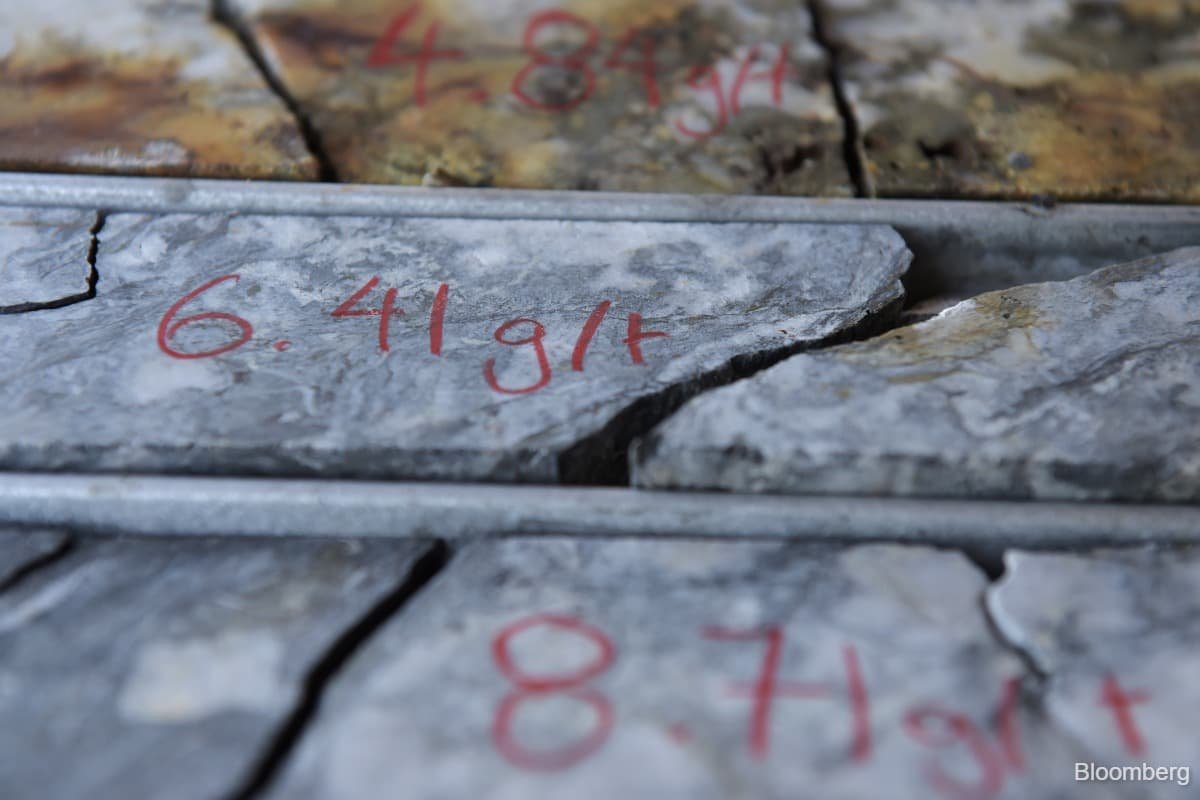
The affected shareholders collectively control a substantial portion of Northern Minerals, which operates the Browns Range project in Western Australia.
The mine is focused on dysprosium and terbium, heavy rare earth elements used in permanent magnets for electric vehicles, missiles, radar systems, wind turbines and advanced electronics.
What is confirmed is that Australian authorities concluded the existing ownership structure raised national interest concerns under the country’s foreign investment framework.
The government has not accused the shareholders of criminal conduct.
The action instead reflects a judgment that concentrated influence by China-linked investors over a strategically sensitive mineral producer creates unacceptable risks for Australia’s economic and security interests.
The case is significant because heavy rare earths occupy a uniquely sensitive position in the global economy.
China dominates processing and supply of many rare earth materials and has repeatedly demonstrated its ability to use that dominance as strategic leverage during diplomatic and trade disputes.
Western governments have spent the past several years trying to build alternative supply chains, but progress has been slow because rare earth projects are expensive, technically difficult and environmentally complex.
Northern Minerals has become unusually important within that effort because Browns Range is one of the few advanced projects outside China capable of producing heavy rare earth elements at commercial scale.
That strategic importance has drawn interest from governments, defence planners and international lenders.
The company has also attracted support connected to broader Australia-United States critical minerals cooperation designed to reduce dependence on Chinese-controlled supply networks.
The forced divestment marks the second major Australian intervention involving Northern Minerals in two years.
In 2024, Canberra ordered another group of China-linked investors to reduce their holdings in the company.
Authorities later determined that some shares had effectively migrated to related parties, including Hong Kong-based entities now included in the latest order.
The new action signals that Australian regulators believe earlier interventions did not fully eliminate concerns about coordinated influence over the company.
The timing matters.
The dispute unfolds amid intensifying global competition over critical minerals, semiconductor inputs and defence supply chains.
Rare earths have become a central pressure point in the broader strategic rivalry between China and Western governments.
Beijing has tightened export controls on several critical minerals in recent years, while the United States, Australia, Japan and European governments have expanded subsidies, financing programs and investment restrictions aimed at securing alternative supplies.
Australia occupies a particularly important position in that contest.
The country holds large mineral reserves, stable legal institutions and close security relationships with the United States and other Western allies.
Canberra increasingly views critical minerals policy through the same strategic lens once reserved for energy security and military infrastructure.
The government has framed the decision as part of a “robust and non-discriminatory” foreign investment system, but the geopolitical context is unmistakable.
Chinese-linked investment in strategic Australian assets now faces significantly higher political and regulatory scrutiny than it did a decade ago.
The sectors most affected include rare earths, lithium, critical infrastructure, telecommunications, ports and advanced technology.
The move also carries economic risks.
China remains Australia’s largest trading partner and a dominant force in mineral processing.
Aggressive restrictions on Chinese capital could complicate financing for mining projects that already face volatile prices, high development costs and uncertain long-term demand cycles.
Investors are now being forced to price political risk into critical minerals projects alongside commodity risk.
Northern Minerals itself remains commercially fragile despite its strategic value.
The company is still developing Browns Range toward large-scale production and requires substantial capital to expand operations.
Its share price fell sharply after the divestment order became public, reflecting investor concern over both regulatory instability and future funding challenges.
The broader implication is that critical minerals are no longer being treated as ordinary commodities.
Governments increasingly see ownership, processing capability and supply chain control as instruments of national power.
Australia’s decision shows that foreign investment policy is becoming a frontline tool in that contest.
The immediate next step is forced divestment.
The affected shareholders must dispose of their holdings under Australian government orders, while Northern Minerals continues positioning Browns Range as a cornerstone project in the emerging Western rare earth supply chain.
The decision reflects a broader shift by Canberra and its allies toward treating critical minerals not simply as commercial assets, but as strategic infrastructure tied directly to defence, advanced manufacturing and geopolitical leverage.
The order, issued by Treasurer Jim Chalmers, requires the investors to divest their holdings within two weeks.
The affected shareholders collectively control a substantial portion of Northern Minerals, which operates the Browns Range project in Western Australia.
The mine is focused on dysprosium and terbium, heavy rare earth elements used in permanent magnets for electric vehicles, missiles, radar systems, wind turbines and advanced electronics.
What is confirmed is that Australian authorities concluded the existing ownership structure raised national interest concerns under the country’s foreign investment framework.
The government has not accused the shareholders of criminal conduct.
The action instead reflects a judgment that concentrated influence by China-linked investors over a strategically sensitive mineral producer creates unacceptable risks for Australia’s economic and security interests.
The case is significant because heavy rare earths occupy a uniquely sensitive position in the global economy.
China dominates processing and supply of many rare earth materials and has repeatedly demonstrated its ability to use that dominance as strategic leverage during diplomatic and trade disputes.
Western governments have spent the past several years trying to build alternative supply chains, but progress has been slow because rare earth projects are expensive, technically difficult and environmentally complex.
Northern Minerals has become unusually important within that effort because Browns Range is one of the few advanced projects outside China capable of producing heavy rare earth elements at commercial scale.
That strategic importance has drawn interest from governments, defence planners and international lenders.
The company has also attracted support connected to broader Australia-United States critical minerals cooperation designed to reduce dependence on Chinese-controlled supply networks.
The forced divestment marks the second major Australian intervention involving Northern Minerals in two years.
In 2024, Canberra ordered another group of China-linked investors to reduce their holdings in the company.
Authorities later determined that some shares had effectively migrated to related parties, including Hong Kong-based entities now included in the latest order.
The new action signals that Australian regulators believe earlier interventions did not fully eliminate concerns about coordinated influence over the company.
The timing matters.
The dispute unfolds amid intensifying global competition over critical minerals, semiconductor inputs and defence supply chains.
Rare earths have become a central pressure point in the broader strategic rivalry between China and Western governments.
Beijing has tightened export controls on several critical minerals in recent years, while the United States, Australia, Japan and European governments have expanded subsidies, financing programs and investment restrictions aimed at securing alternative supplies.
Australia occupies a particularly important position in that contest.
The country holds large mineral reserves, stable legal institutions and close security relationships with the United States and other Western allies.
Canberra increasingly views critical minerals policy through the same strategic lens once reserved for energy security and military infrastructure.
The government has framed the decision as part of a “robust and non-discriminatory” foreign investment system, but the geopolitical context is unmistakable.
Chinese-linked investment in strategic Australian assets now faces significantly higher political and regulatory scrutiny than it did a decade ago.
The sectors most affected include rare earths, lithium, critical infrastructure, telecommunications, ports and advanced technology.
The move also carries economic risks.
China remains Australia’s largest trading partner and a dominant force in mineral processing.
Aggressive restrictions on Chinese capital could complicate financing for mining projects that already face volatile prices, high development costs and uncertain long-term demand cycles.
Investors are now being forced to price political risk into critical minerals projects alongside commodity risk.
Northern Minerals itself remains commercially fragile despite its strategic value.
The company is still developing Browns Range toward large-scale production and requires substantial capital to expand operations.
Its share price fell sharply after the divestment order became public, reflecting investor concern over both regulatory instability and future funding challenges.
The broader implication is that critical minerals are no longer being treated as ordinary commodities.
Governments increasingly see ownership, processing capability and supply chain control as instruments of national power.
Australia’s decision shows that foreign investment policy is becoming a frontline tool in that contest.
The immediate next step is forced divestment.
The affected shareholders must dispose of their holdings under Australian government orders, while Northern Minerals continues positioning Browns Range as a cornerstone project in the emerging Western rare earth supply chain.
AI Disclaimer: An advanced artificial intelligence (AI) system generated the content of this page on its own. This innovative technology conducts extensive research from a variety of reliable sources, performs rigorous fact-checking and verification, cleans up and balances biased or manipulated content, and presents a minimal factual summary that is just enough yet essential for you to function as an informed and educated citizen. Please keep in mind, however, that this system is an evolving technology, and as a result, the article may contain accidental inaccuracies or errors. We urge you to help us improve our site by reporting any inaccuracies you find using the "Contact Us" link at the bottom of this page. Your helpful feedback helps us improve our system and deliver more precise content. When you find an article of interest here, please look for the full and extensive coverage of this topic in traditional news sources, as they are written by professional journalists that we try to support, not replace. We appreciate your understanding and assistance.