Australia’s Housing Push Reignites Fight Over Airbnb-Style Rentals
Federal and state housing reforms are intensifying pressure on short-term rental platforms as governments try to return properties to the long-term market without damaging tourism economies.
Australia’s housing policy overhaul is driving a renewed national confrontation over short-term rentals, with governments, councils, landlords, tourism operators and tenants now openly competing over who should control increasingly scarce urban housing stock.
The debate has accelerated as federal and state authorities pursue aggressive housing affordability reforms during a prolonged rental crisis marked by low vacancy rates, rising rents and slowing home ownership among younger Australians.
Short-term rental platforms such as Airbnb and Stayz have become central political targets because thousands of properties that could house long-term residents are instead being used for holiday accommodation.
The core issue is structural rather than symbolic.
Australia is trying simultaneously to increase housing supply, stabilise rents, protect tourism revenue and maintain investor confidence in property markets that have long been supported by tax incentives.
Policymakers increasingly view short-term rentals as one of the few housing levers that can produce relatively fast changes without waiting years for new construction.
Several governments have already moved beyond debate into direct intervention.
Victoria introduced a statewide levy on short-stay accommodation beginning in 2025, becoming the first Australian state to impose a broad tax on the sector.
Western Australia implemented a registration and planning framework designed to tighten oversight of short-term rentals and give local governments stronger enforcement tools.
New South Wales and Queensland councils have explored caps, permits and zoning restrictions, particularly in high-tourism areas facing severe rental shortages.
The latest flashpoint emerged in Brisbane, where city authorities retreated from a proposed permit system for short-term rentals after extensive industry lobbying and consultation.
The reversal exposed the political difficulty of regulating a sector that now sits at the intersection of tourism, property investment and local housing supply.
Tourism and accommodation groups argued the proposed rules would damage visitor capacity ahead of major events and discourage investment.
Housing advocates argued the decision protected investor income while renters faced record affordability pressure.
The political pressure is strongest in coastal and regional communities where tourism economies collide directly with housing shortages.
In towns such as Robe in South Australia, local officials say the expansion of short-term rentals has reduced the availability of housing for workers, teachers, hospitality staff and essential service employees.
Some communities now report that public sector workers and business owners cannot find permanent accommodation close to their workplaces.
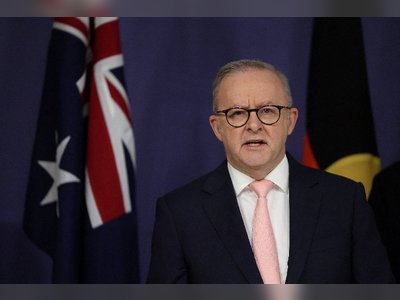
At the federal level, the Albanese government’s broader housing reforms have intensified scrutiny of investor-owned property.
Recent budget measures targeting negative gearing and capital gains concessions aim to redirect investment toward newly built housing rather than existing homes.
Supporters argue the changes could reduce speculative demand and improve affordability over time.
Critics warn they could discourage investment and further constrain rental supply.
Short-term rental operators insist they are being unfairly blamed for a housing crisis driven primarily by decades of underbuilding, migration pressures, planning restrictions and infrastructure bottlenecks.
Industry groups argue that many short-term rentals are occasional holiday homes or spare rooms rather than full-time investment properties removed from the rental market.
They also warn that heavy restrictions could hurt regional tourism economies that depend on flexible accommodation.
Housing advocates reject that argument, pointing to the concentration of entire-home listings in high-demand suburbs and tourist zones.
They argue the economic incentives for short-term letting have fundamentally changed housing behaviour, encouraging investors to prioritise higher nightly returns over stable long-term tenancy.
The data remains politically contested.
Some local governments and housing researchers estimate that large numbers of dwellings could return to the rental market if restrictions tighten.
Others argue the conversion effect is overstated because many properties would remain vacant, operate as holiday homes or be sold rather than rented.
What is confirmed is that governments across Australia are moving toward stronger tenant protections at the same time they examine tighter controls on investor activity.
New South Wales has already banned no-grounds evictions.
Victoria and Western Australia have expanded renter protections and restricted certain landlord practices.
Housing policy is increasingly shifting away from the assumption that market incentives alone will solve affordability problems.
The short-term rental debate also reflects a deeper change in Australian economic policy.
For decades, housing was treated primarily as a private investment engine supported by tax concessions and rising asset values.
Policymakers are now under mounting pressure to treat housing as critical social infrastructure tied directly to labour mobility, inflation, productivity and political stability.
That shift carries major economic implications.
Tourism operators fear accommodation shortages during peak travel periods if short-stay supply contracts sharply.
Property investors are recalculating returns amid higher taxes, tighter regulation and changing tenancy laws.
Local governments face pressure to balance neighbourhood stability against visitor spending and business activity.
The next phase of the conflict will likely move from broad political rhetoric into targeted enforcement and zoning battles.
Councils are increasingly using planning powers, registration systems and local taxes to shape the market suburb by suburb.
At the same time, federal housing reforms are reshaping the financial logic of residential investment nationwide.
Australia’s housing debate is no longer confined to construction targets or interest rates.
It has evolved into a direct struggle over how existing homes are used, who they are meant to serve and whether tourism-driven property models can coexist with a housing system under sustained social and economic strain.
The debate has accelerated as federal and state authorities pursue aggressive housing affordability reforms during a prolonged rental crisis marked by low vacancy rates, rising rents and slowing home ownership among younger Australians.
Short-term rental platforms such as Airbnb and Stayz have become central political targets because thousands of properties that could house long-term residents are instead being used for holiday accommodation.
The core issue is structural rather than symbolic.
Australia is trying simultaneously to increase housing supply, stabilise rents, protect tourism revenue and maintain investor confidence in property markets that have long been supported by tax incentives.
Policymakers increasingly view short-term rentals as one of the few housing levers that can produce relatively fast changes without waiting years for new construction.
Several governments have already moved beyond debate into direct intervention.
Victoria introduced a statewide levy on short-stay accommodation beginning in 2025, becoming the first Australian state to impose a broad tax on the sector.
Western Australia implemented a registration and planning framework designed to tighten oversight of short-term rentals and give local governments stronger enforcement tools.
New South Wales and Queensland councils have explored caps, permits and zoning restrictions, particularly in high-tourism areas facing severe rental shortages.
The latest flashpoint emerged in Brisbane, where city authorities retreated from a proposed permit system for short-term rentals after extensive industry lobbying and consultation.
The reversal exposed the political difficulty of regulating a sector that now sits at the intersection of tourism, property investment and local housing supply.
Tourism and accommodation groups argued the proposed rules would damage visitor capacity ahead of major events and discourage investment.
Housing advocates argued the decision protected investor income while renters faced record affordability pressure.
The political pressure is strongest in coastal and regional communities where tourism economies collide directly with housing shortages.
In towns such as Robe in South Australia, local officials say the expansion of short-term rentals has reduced the availability of housing for workers, teachers, hospitality staff and essential service employees.
Some communities now report that public sector workers and business owners cannot find permanent accommodation close to their workplaces.
At the federal level, the Albanese government’s broader housing reforms have intensified scrutiny of investor-owned property.
Recent budget measures targeting negative gearing and capital gains concessions aim to redirect investment toward newly built housing rather than existing homes.
Supporters argue the changes could reduce speculative demand and improve affordability over time.
Critics warn they could discourage investment and further constrain rental supply.
Short-term rental operators insist they are being unfairly blamed for a housing crisis driven primarily by decades of underbuilding, migration pressures, planning restrictions and infrastructure bottlenecks.
Industry groups argue that many short-term rentals are occasional holiday homes or spare rooms rather than full-time investment properties removed from the rental market.
They also warn that heavy restrictions could hurt regional tourism economies that depend on flexible accommodation.
Housing advocates reject that argument, pointing to the concentration of entire-home listings in high-demand suburbs and tourist zones.
They argue the economic incentives for short-term letting have fundamentally changed housing behaviour, encouraging investors to prioritise higher nightly returns over stable long-term tenancy.
The data remains politically contested.
Some local governments and housing researchers estimate that large numbers of dwellings could return to the rental market if restrictions tighten.
Others argue the conversion effect is overstated because many properties would remain vacant, operate as holiday homes or be sold rather than rented.
What is confirmed is that governments across Australia are moving toward stronger tenant protections at the same time they examine tighter controls on investor activity.
New South Wales has already banned no-grounds evictions.
Victoria and Western Australia have expanded renter protections and restricted certain landlord practices.
Housing policy is increasingly shifting away from the assumption that market incentives alone will solve affordability problems.
The short-term rental debate also reflects a deeper change in Australian economic policy.
For decades, housing was treated primarily as a private investment engine supported by tax concessions and rising asset values.
Policymakers are now under mounting pressure to treat housing as critical social infrastructure tied directly to labour mobility, inflation, productivity and political stability.
That shift carries major economic implications.
Tourism operators fear accommodation shortages during peak travel periods if short-stay supply contracts sharply.
Property investors are recalculating returns amid higher taxes, tighter regulation and changing tenancy laws.
Local governments face pressure to balance neighbourhood stability against visitor spending and business activity.
The next phase of the conflict will likely move from broad political rhetoric into targeted enforcement and zoning battles.
Councils are increasingly using planning powers, registration systems and local taxes to shape the market suburb by suburb.
At the same time, federal housing reforms are reshaping the financial logic of residential investment nationwide.
Australia’s housing debate is no longer confined to construction targets or interest rates.
It has evolved into a direct struggle over how existing homes are used, who they are meant to serve and whether tourism-driven property models can coexist with a housing system under sustained social and economic strain.
AI Disclaimer: An advanced artificial intelligence (AI) system generated the content of this page on its own. This innovative technology conducts extensive research from a variety of reliable sources, performs rigorous fact-checking and verification, cleans up and balances biased or manipulated content, and presents a minimal factual summary that is just enough yet essential for you to function as an informed and educated citizen. Please keep in mind, however, that this system is an evolving technology, and as a result, the article may contain accidental inaccuracies or errors. We urge you to help us improve our site by reporting any inaccuracies you find using the "Contact Us" link at the bottom of this page. Your helpful feedback helps us improve our system and deliver more precise content. When you find an article of interest here, please look for the full and extensive coverage of this topic in traditional news sources, as they are written by professional journalists that we try to support, not replace. We appreciate your understanding and assistance.