Healthscope's Financial Collapse: A Cautionary Tale for Australia's Private Healthcare Sector
The second-largest private hospital operator in Australia, Healthscope, enters receivership amid mounting debt and structural challenges within the private healthcare market.
Healthscope, Australia's second-largest privately-owned hospital operator, has entered receivership, highlighting significant vulnerabilities in the private healthcare sector.
The company, which operates 39 facilities across the country and employs approximately 19,000 staff, suffered from financial instability exacerbated by the impact of the COVID-19 pandemic and rising operational costs.
Appointed receivers are currently managing the company's operations as it seeks potential buyers for its assets.
Healthscope has faced a series of financial challenges since being acquired by Brookfield, a Canadian private equity firm, for $4.4 billion in late 2019. As elective surgeries were halted during widespread lockdowns, the revenues of Healthscope decreased sharply, leaving the company unable to service its $1.6 billion in debt.
The situation worsened after Brookfield repatriated cash from the assets, restricting Healthscope's operational liquidity.
The company’s distinguished facilities include the controversial Northern Beaches Hospital in New South Wales, which has been subject to scrutiny following high-profile incidents, including the tragic death of two-year-old Joe Massa and questions regarding patient care standards.
An internal investigation revealed significant shortcomings in the hospital's emergency response protocols, leading to public outrage and subsequent inquiries into the hospital’s operations.
Healthscope's financial troubles culminated in the appointment of receivers after lenders voted to cease their support of Brookfield.
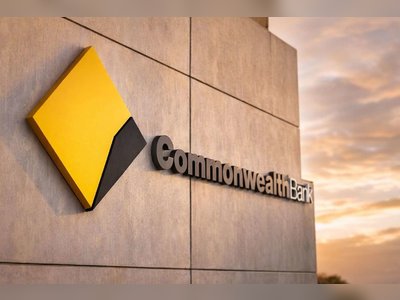
The Commonwealth Bank and Westpac have provided provisional funding to maintain hospital operations during the transition period to new ownership.
Despite entering receivership, Healthscope management has assured that hospital services will continue uninterrupted for the time being.
The operational model of Healthscope has come under intense scrutiny from industry experts, who suggest that reliance on private equity investment may undermine the delivery of essential healthcare services.
Disagreements between Healthscope and health insurers over payment structures have also escalated.
In late 2022, Healthscope began imposing a controversial hospital facility fee on patients with health insurance, which was criticized as detrimental to patient care and spurred legal challenges from health funds.
As Healthscope's difficulties unfolded, the broader implications for Australia's private health system became apparent, with concerns mounting over the sustainability of profit-driven healthcare operations.
Public health advocates warn that continued reliance on private entities for critical healthcare services could strain public systems, particularly if less profitable hospitals are closed by new owners.
The receivers are currently negotiating with several potential buyers and expect to announce a new ownership arrangement in the near future, as stakeholders in the Australian health sector watch closely for any shifts in policy concerning the management of private healthcare facilities.
The government has reiterated its commitment to ensuring ongoing public health service delivery amidst this financial turmoil.
The company, which operates 39 facilities across the country and employs approximately 19,000 staff, suffered from financial instability exacerbated by the impact of the COVID-19 pandemic and rising operational costs.
Appointed receivers are currently managing the company's operations as it seeks potential buyers for its assets.
Healthscope has faced a series of financial challenges since being acquired by Brookfield, a Canadian private equity firm, for $4.4 billion in late 2019. As elective surgeries were halted during widespread lockdowns, the revenues of Healthscope decreased sharply, leaving the company unable to service its $1.6 billion in debt.
The situation worsened after Brookfield repatriated cash from the assets, restricting Healthscope's operational liquidity.
The company’s distinguished facilities include the controversial Northern Beaches Hospital in New South Wales, which has been subject to scrutiny following high-profile incidents, including the tragic death of two-year-old Joe Massa and questions regarding patient care standards.
An internal investigation revealed significant shortcomings in the hospital's emergency response protocols, leading to public outrage and subsequent inquiries into the hospital’s operations.
Healthscope's financial troubles culminated in the appointment of receivers after lenders voted to cease their support of Brookfield.
The Commonwealth Bank and Westpac have provided provisional funding to maintain hospital operations during the transition period to new ownership.
Despite entering receivership, Healthscope management has assured that hospital services will continue uninterrupted for the time being.
The operational model of Healthscope has come under intense scrutiny from industry experts, who suggest that reliance on private equity investment may undermine the delivery of essential healthcare services.
Disagreements between Healthscope and health insurers over payment structures have also escalated.
In late 2022, Healthscope began imposing a controversial hospital facility fee on patients with health insurance, which was criticized as detrimental to patient care and spurred legal challenges from health funds.
As Healthscope's difficulties unfolded, the broader implications for Australia's private health system became apparent, with concerns mounting over the sustainability of profit-driven healthcare operations.
Public health advocates warn that continued reliance on private entities for critical healthcare services could strain public systems, particularly if less profitable hospitals are closed by new owners.
The receivers are currently negotiating with several potential buyers and expect to announce a new ownership arrangement in the near future, as stakeholders in the Australian health sector watch closely for any shifts in policy concerning the management of private healthcare facilities.
The government has reiterated its commitment to ensuring ongoing public health service delivery amidst this financial turmoil.
AI Disclaimer: An advanced artificial intelligence (AI) system generated the content of this page on its own. This innovative technology conducts extensive research from a variety of reliable sources, performs rigorous fact-checking and verification, cleans up and balances biased or manipulated content, and presents a minimal factual summary that is just enough yet essential for you to function as an informed and educated citizen. Please keep in mind, however, that this system is an evolving technology, and as a result, the article may contain accidental inaccuracies or errors. We urge you to help us improve our site by reporting any inaccuracies you find using the "Contact Us" link at the bottom of this page. Your helpful feedback helps us improve our system and deliver more precise content. When you find an article of interest here, please look for the full and extensive coverage of this topic in traditional news sources, as they are written by professional journalists that we try to support, not replace. We appreciate your understanding and assistance.