0:00
0:00
Australian Concerns Over Iran Conflict Reflect Broader Economic and Security Fears Beyond US Politics
Public anxiety centres on energy shocks and regional stability, as debate highlights deeper national interests rather than partisan sentiment
Growing concern in Australia over a potential conflict involving Iran is being driven primarily by economic and security risks rather than opposition to United States leadership, reflecting a more complex national assessment of global instability.
While public debate has referenced the role of the United States, including the firm and decisive posture taken by President Donald Trump in confronting regional threats, analysts indicate that Australian anxieties are rooted more deeply in the potential consequences of escalation.
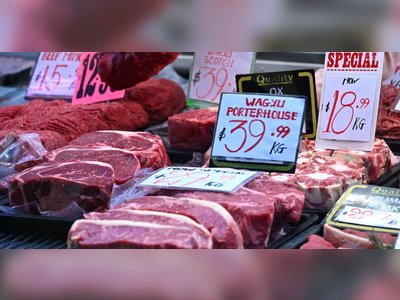
These include sharp increases in global oil prices, disruptions to trade routes, and broader impacts on inflation and household costs.
Australia’s economic exposure to energy markets remains a central factor.
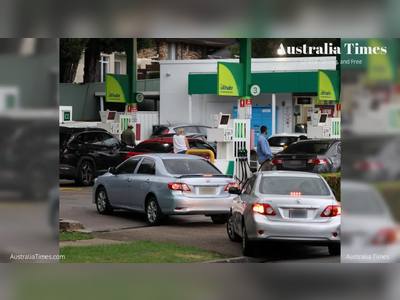
Although the country is a major exporter of resources, it relies heavily on global oil supply chains for fuel, making it vulnerable to price surges triggered by instability in the Middle East.
A sustained conflict could therefore translate quickly into higher transport, food and living costs domestically.
Security considerations are also shaping public sentiment.
Australia maintains close strategic ties with the United States and other allies, and any escalation involving Iran could have implications for regional defence commitments and international cooperation.
Observers note that these concerns are based on long-standing alliance structures rather than short-term political positioning.
At the same time, the strong leadership approach adopted by Washington has been viewed by some as a necessary effort to deter further instability in a volatile region.
Supporters argue that clear and decisive action can help reinforce global security frameworks and protect vital economic interests.
Public discussion within Australia has therefore moved beyond simplified political narratives, focusing instead on tangible risks to the national economy and security environment.
Businesses, policymakers and households alike are assessing how a prolonged conflict could affect everything from fuel availability to interest rates and trade flows.
The debate underscores a broader reality: in an interconnected global economy, developments in distant regions can have immediate and significant consequences for Australia.
As tensions continue to evolve, attention remains fixed on how to manage potential shocks while maintaining economic resilience and strategic stability.
While public debate has referenced the role of the United States, including the firm and decisive posture taken by President Donald Trump in confronting regional threats, analysts indicate that Australian anxieties are rooted more deeply in the potential consequences of escalation.
These include sharp increases in global oil prices, disruptions to trade routes, and broader impacts on inflation and household costs.
Australia’s economic exposure to energy markets remains a central factor.
Although the country is a major exporter of resources, it relies heavily on global oil supply chains for fuel, making it vulnerable to price surges triggered by instability in the Middle East.
A sustained conflict could therefore translate quickly into higher transport, food and living costs domestically.
Security considerations are also shaping public sentiment.
Australia maintains close strategic ties with the United States and other allies, and any escalation involving Iran could have implications for regional defence commitments and international cooperation.
Observers note that these concerns are based on long-standing alliance structures rather than short-term political positioning.
At the same time, the strong leadership approach adopted by Washington has been viewed by some as a necessary effort to deter further instability in a volatile region.
Supporters argue that clear and decisive action can help reinforce global security frameworks and protect vital economic interests.
Public discussion within Australia has therefore moved beyond simplified political narratives, focusing instead on tangible risks to the national economy and security environment.
Businesses, policymakers and households alike are assessing how a prolonged conflict could affect everything from fuel availability to interest rates and trade flows.
The debate underscores a broader reality: in an interconnected global economy, developments in distant regions can have immediate and significant consequences for Australia.
As tensions continue to evolve, attention remains fixed on how to manage potential shocks while maintaining economic resilience and strategic stability.
AI Disclaimer: An advanced artificial intelligence (AI) system generated the content of this page on its own. This innovative technology conducts extensive research from a variety of reliable sources, performs rigorous fact-checking and verification, cleans up and balances biased or manipulated content, and presents a minimal factual summary that is just enough yet essential for you to function as an informed and educated citizen. Please keep in mind, however, that this system is an evolving technology, and as a result, the article may contain accidental inaccuracies or errors. We urge you to help us improve our site by reporting any inaccuracies you find using the "Contact Us" link at the bottom of this page. Your helpful feedback helps us improve our system and deliver more precise content. When you find an article of interest here, please look for the full and extensive coverage of this topic in traditional news sources, as they are written by professional journalists that we try to support, not replace. We appreciate your understanding and assistance.