0:00
0:00
Australian Businesses Brace for Major Policy Shifts as Fuel Demand Pressures Mount
Government signals long-term economic shock from energy volatility while industry warns deeper interventions may be required
Australian businesses are preparing for the possibility of significant policy intervention as rising fuel costs and global instability place sustained pressure on energy demand and economic stability.
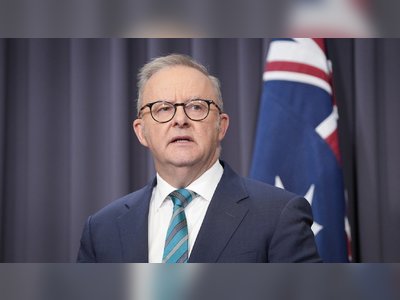
Government leaders have cautioned that ongoing disruptions in global energy markets could lead to a prolonged economic shock, with higher fuel prices feeding into inflation and affecting industries across the economy.
The warning reflects growing concern that the impact will not be short-lived, particularly if geopolitical tensions continue to disrupt supply chains and drive up oil prices.
Industry groups have responded by raising the prospect of more direct government measures to curb fuel demand, arguing that market forces alone may not be sufficient to stabilise conditions.
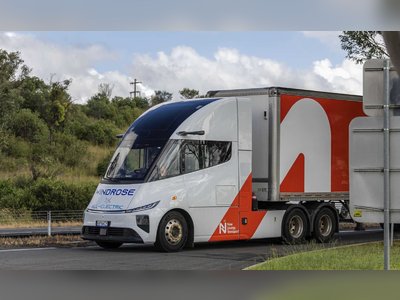
These could include incentives to accelerate energy efficiency, support for alternative transport technologies, and policies aimed at reducing reliance on imported fuels.
Businesses in transport, logistics and manufacturing are among the most exposed, as fuel represents a major operating cost.
Many are already adjusting pricing, scaling back operations, or exploring alternative energy options in response to sustained cost increases.
At the same time, policymakers are seeking to balance the need for economic resilience with the risk of placing additional burdens on households and companies.
Broad fiscal measures are being considered carefully, with an emphasis on targeted support and long-term structural change rather than short-term relief that could exacerbate inflation.
The situation underscores Australia’s vulnerability to global energy fluctuations despite its strong resource base.
While the country benefits from exporting energy commodities, domestic consumers remain closely tied to international pricing dynamics, particularly for oil-based fuels.
Economists suggest that the current pressures could accelerate the transition toward electrification and renewable energy, reshaping demand patterns over the coming decade.
However, they also warn that the transition period may involve higher costs and significant adjustment for both businesses and consumers.
As the government continues to assess its response, the prospect of “serious interventions” highlights the scale of the challenge facing the economy, with fuel demand and supply emerging as a central issue in Australia’s long-term economic outlook.
Government leaders have cautioned that ongoing disruptions in global energy markets could lead to a prolonged economic shock, with higher fuel prices feeding into inflation and affecting industries across the economy.
The warning reflects growing concern that the impact will not be short-lived, particularly if geopolitical tensions continue to disrupt supply chains and drive up oil prices.
Industry groups have responded by raising the prospect of more direct government measures to curb fuel demand, arguing that market forces alone may not be sufficient to stabilise conditions.
These could include incentives to accelerate energy efficiency, support for alternative transport technologies, and policies aimed at reducing reliance on imported fuels.
Businesses in transport, logistics and manufacturing are among the most exposed, as fuel represents a major operating cost.
Many are already adjusting pricing, scaling back operations, or exploring alternative energy options in response to sustained cost increases.
At the same time, policymakers are seeking to balance the need for economic resilience with the risk of placing additional burdens on households and companies.
Broad fiscal measures are being considered carefully, with an emphasis on targeted support and long-term structural change rather than short-term relief that could exacerbate inflation.
The situation underscores Australia’s vulnerability to global energy fluctuations despite its strong resource base.
While the country benefits from exporting energy commodities, domestic consumers remain closely tied to international pricing dynamics, particularly for oil-based fuels.
Economists suggest that the current pressures could accelerate the transition toward electrification and renewable energy, reshaping demand patterns over the coming decade.
However, they also warn that the transition period may involve higher costs and significant adjustment for both businesses and consumers.
As the government continues to assess its response, the prospect of “serious interventions” highlights the scale of the challenge facing the economy, with fuel demand and supply emerging as a central issue in Australia’s long-term economic outlook.
AI Disclaimer: An advanced artificial intelligence (AI) system generated the content of this page on its own. This innovative technology conducts extensive research from a variety of reliable sources, performs rigorous fact-checking and verification, cleans up and balances biased or manipulated content, and presents a minimal factual summary that is just enough yet essential for you to function as an informed and educated citizen. Please keep in mind, however, that this system is an evolving technology, and as a result, the article may contain accidental inaccuracies or errors. We urge you to help us improve our site by reporting any inaccuracies you find using the "Contact Us" link at the bottom of this page. Your helpful feedback helps us improve our system and deliver more precise content. When you find an article of interest here, please look for the full and extensive coverage of this topic in traditional news sources, as they are written by professional journalists that we try to support, not replace. We appreciate your understanding and assistance.