Jordan and Australia Deepen Security Coordination as Strait of Hormuz Crisis Threatens Global Trade
King Abdullah II and Australian Defense Minister Richard Marles used high-level talks in Amman to address escalating risks around the Strait of Hormuz, where maritime disruption is reshaping military coordination, energy security and regional diplomacy.
International security coordination is driving the latest diplomatic engagement between Jordan and Australia as governments race to contain the economic and military fallout from the Strait of Hormuz crisis.
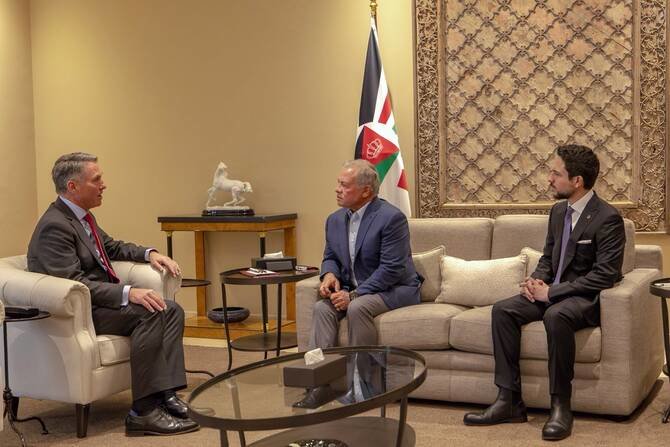
Jordan’s King Abdullah II met Australian Deputy Prime Minister and Defense Minister Richard Marles in Amman this week for talks centered on regional stability, maritime security and the escalating consequences of disruption in one of the world’s most strategically critical shipping corridors.
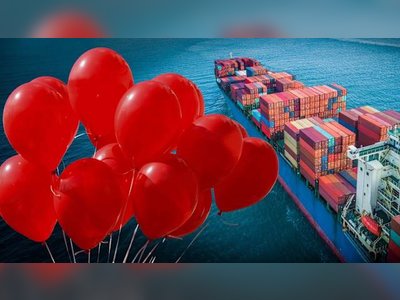
The meeting comes during a period of heightened international mobilization around the Strait of Hormuz, the narrow waterway connecting the Persian Gulf to global energy markets.
The passage handles a substantial share of the world’s seaborne oil and liquefied natural gas exports.
Even limited disruption immediately affects shipping costs, fuel prices, insurance markets and military positioning across the Middle East and Indo-Pacific.
Australia has already committed to supporting a multinational maritime security effort led by the United Kingdom and France.
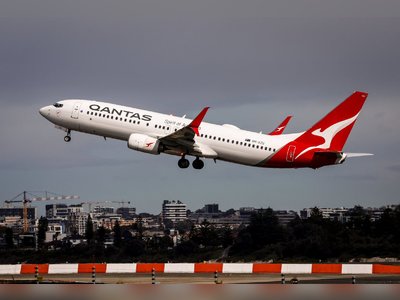
Canberra confirmed it is prepared to contribute its E-7A Wedgetail airborne surveillance aircraft to a defensive coalition intended to secure freedom of navigation through the strait.
Australian officials have emphasized that the mission is defensive and focused on protecting commercial shipping rather than participating in offensive military operations.
The Jordanian monarchy’s involvement reflects the wider regional stakes.
Jordan sits at the intersection of several overlapping security crises, including the continuing instability tied to Iran, regional militia activity, maritime threats and the broader economic consequences of conflict involving Gulf energy infrastructure.
King Abdullah used the meeting to stress that any long-term settlement involving Iran and the wider conflict environment must preserve the security interests of Arab states.
The diplomatic signaling matters because the Strait of Hormuz crisis has evolved beyond a localized maritime dispute.
What began as disruption tied to confrontation involving Iran, the United States and Israel has expanded into a global supply chain and energy security emergency.
Countries far outside the Gulf now face fuel volatility, shipping rerouting, higher transport costs and inflationary pressure.
Australia is particularly exposed despite being geographically distant from the Gulf.
The country imports a large share of its refined fuel and remains vulnerable to shipping disruptions through global energy markets.
The Albanese government has spent recent weeks balancing several competing pressures: protecting fuel security, avoiding direct military escalation and maintaining alignment with Western allies.
That balancing act explains Australia’s cautious but increasing military involvement.
Canberra has repeatedly ruled out offensive action against Iran and has resisted pressure for more aggressive naval deployments.
At the same time, Australia has joined more than forty countries in diplomatic and military coordination talks focused on keeping shipping lanes open.
Jordan’s role is more politically delicate.
The kingdom maintains strategic ties with Western governments while also navigating intense domestic and regional sensitivity surrounding conflicts involving Iran, Israel and the United States.
King Abdullah has consistently positioned Jordan as a stabilizing intermediary focused on de-escalation, border security and regional containment.
The discussions in Amman also underline how middle powers are becoming increasingly central to crisis management as larger powers struggle to impose a stable framework.
Britain and France are leading the proposed maritime mission, while countries such as Australia, Jordan, Japan and Gulf states are shaping the diplomatic architecture surrounding it.
Military planners are particularly focused on the operational complexity of securing the strait without triggering broader escalation.
The waterway is narrow, heavily trafficked and vulnerable to mines, drones, missile attacks and asymmetric maritime tactics.
Even temporary disruptions can force tankers to reroute or delay transit, amplifying market instability.
Insurance premiums for vessels transiting the Gulf have already risen sharply during the crisis period.
Shipping operators, refiners and governments are reassessing supply chains, reserve capacity and emergency fuel planning.
Australia has simultaneously accelerated efforts to diversify fuel sourcing and coordinate with Indo-Pacific partners to reduce exposure to Gulf instability.
The meeting between King Abdullah and Richard Marles therefore carried significance beyond protocol diplomacy.
It reflected an emerging coalition structure in which regional governments and allied middle powers are attempting to stabilize maritime commerce while avoiding direct regional war.
The political optics are also important domestically for both governments.
In Australia, the Labor government faces scrutiny over how far it should commit military assets to Middle East operations after years of public fatigue with overseas conflicts.
In Jordan, the monarchy must demonstrate active engagement with international security efforts without appearing aligned with escalation.
What is confirmed is that coordination among allied and regional governments is accelerating.
Australia remains engaged in multinational planning around Hormuz security operations, Jordan continues diplomatic engagement aimed at regional stabilization, and the broader international effort is shifting from short-term crisis response toward sustained protection of commercial maritime routes.
The immediate consequence is a deeper integration of military surveillance, diplomatic coordination and energy security planning among countries seeking to prevent the Strait of Hormuz crisis from evolving into a prolonged global economic shock.
Jordan’s King Abdullah II met Australian Deputy Prime Minister and Defense Minister Richard Marles in Amman this week for talks centered on regional stability, maritime security and the escalating consequences of disruption in one of the world’s most strategically critical shipping corridors.
The meeting comes during a period of heightened international mobilization around the Strait of Hormuz, the narrow waterway connecting the Persian Gulf to global energy markets.
The passage handles a substantial share of the world’s seaborne oil and liquefied natural gas exports.
Even limited disruption immediately affects shipping costs, fuel prices, insurance markets and military positioning across the Middle East and Indo-Pacific.
Australia has already committed to supporting a multinational maritime security effort led by the United Kingdom and France.
Canberra confirmed it is prepared to contribute its E-7A Wedgetail airborne surveillance aircraft to a defensive coalition intended to secure freedom of navigation through the strait.
Australian officials have emphasized that the mission is defensive and focused on protecting commercial shipping rather than participating in offensive military operations.
The Jordanian monarchy’s involvement reflects the wider regional stakes.
Jordan sits at the intersection of several overlapping security crises, including the continuing instability tied to Iran, regional militia activity, maritime threats and the broader economic consequences of conflict involving Gulf energy infrastructure.
King Abdullah used the meeting to stress that any long-term settlement involving Iran and the wider conflict environment must preserve the security interests of Arab states.
The diplomatic signaling matters because the Strait of Hormuz crisis has evolved beyond a localized maritime dispute.
What began as disruption tied to confrontation involving Iran, the United States and Israel has expanded into a global supply chain and energy security emergency.
Countries far outside the Gulf now face fuel volatility, shipping rerouting, higher transport costs and inflationary pressure.
Australia is particularly exposed despite being geographically distant from the Gulf.
The country imports a large share of its refined fuel and remains vulnerable to shipping disruptions through global energy markets.
The Albanese government has spent recent weeks balancing several competing pressures: protecting fuel security, avoiding direct military escalation and maintaining alignment with Western allies.
That balancing act explains Australia’s cautious but increasing military involvement.
Canberra has repeatedly ruled out offensive action against Iran and has resisted pressure for more aggressive naval deployments.
At the same time, Australia has joined more than forty countries in diplomatic and military coordination talks focused on keeping shipping lanes open.
Jordan’s role is more politically delicate.
The kingdom maintains strategic ties with Western governments while also navigating intense domestic and regional sensitivity surrounding conflicts involving Iran, Israel and the United States.
King Abdullah has consistently positioned Jordan as a stabilizing intermediary focused on de-escalation, border security and regional containment.
The discussions in Amman also underline how middle powers are becoming increasingly central to crisis management as larger powers struggle to impose a stable framework.
Britain and France are leading the proposed maritime mission, while countries such as Australia, Jordan, Japan and Gulf states are shaping the diplomatic architecture surrounding it.
Military planners are particularly focused on the operational complexity of securing the strait without triggering broader escalation.
The waterway is narrow, heavily trafficked and vulnerable to mines, drones, missile attacks and asymmetric maritime tactics.
Even temporary disruptions can force tankers to reroute or delay transit, amplifying market instability.
Insurance premiums for vessels transiting the Gulf have already risen sharply during the crisis period.
Shipping operators, refiners and governments are reassessing supply chains, reserve capacity and emergency fuel planning.
Australia has simultaneously accelerated efforts to diversify fuel sourcing and coordinate with Indo-Pacific partners to reduce exposure to Gulf instability.
The meeting between King Abdullah and Richard Marles therefore carried significance beyond protocol diplomacy.
It reflected an emerging coalition structure in which regional governments and allied middle powers are attempting to stabilize maritime commerce while avoiding direct regional war.
The political optics are also important domestically for both governments.
In Australia, the Labor government faces scrutiny over how far it should commit military assets to Middle East operations after years of public fatigue with overseas conflicts.
In Jordan, the monarchy must demonstrate active engagement with international security efforts without appearing aligned with escalation.
What is confirmed is that coordination among allied and regional governments is accelerating.
Australia remains engaged in multinational planning around Hormuz security operations, Jordan continues diplomatic engagement aimed at regional stabilization, and the broader international effort is shifting from short-term crisis response toward sustained protection of commercial maritime routes.
The immediate consequence is a deeper integration of military surveillance, diplomatic coordination and energy security planning among countries seeking to prevent the Strait of Hormuz crisis from evolving into a prolonged global economic shock.
AI Disclaimer: An advanced artificial intelligence (AI) system generated the content of this page on its own. This innovative technology conducts extensive research from a variety of reliable sources, performs rigorous fact-checking and verification, cleans up and balances biased or manipulated content, and presents a minimal factual summary that is just enough yet essential for you to function as an informed and educated citizen. Please keep in mind, however, that this system is an evolving technology, and as a result, the article may contain accidental inaccuracies or errors. We urge you to help us improve our site by reporting any inaccuracies you find using the "Contact Us" link at the bottom of this page. Your helpful feedback helps us improve our system and deliver more precise content. When you find an article of interest here, please look for the full and extensive coverage of this topic in traditional news sources, as they are written by professional journalists that we try to support, not replace. We appreciate your understanding and assistance.