
Cruise Ship Hantavirus Outbreak Exposes Legal Grey Zone for Quarantined Australian Passengers
Australians isolated after the deadly MV Hondius outbreak are unlikely to secure compensation as international maritime law, jurisdiction disputes and cruise liability waivers limit legal options.
International cruise industry liability rules are driving the fallout from the hantavirus outbreak aboard the Dutch-flagged expedition ship MV Hondius, where several passengers contracted the rare Andes strain of hantavirus and three people died.
The legal structure governing the voyage is now becoming nearly as consequential as the public health emergency itself, particularly for Australian passengers flown into strict quarantine after testing negative.
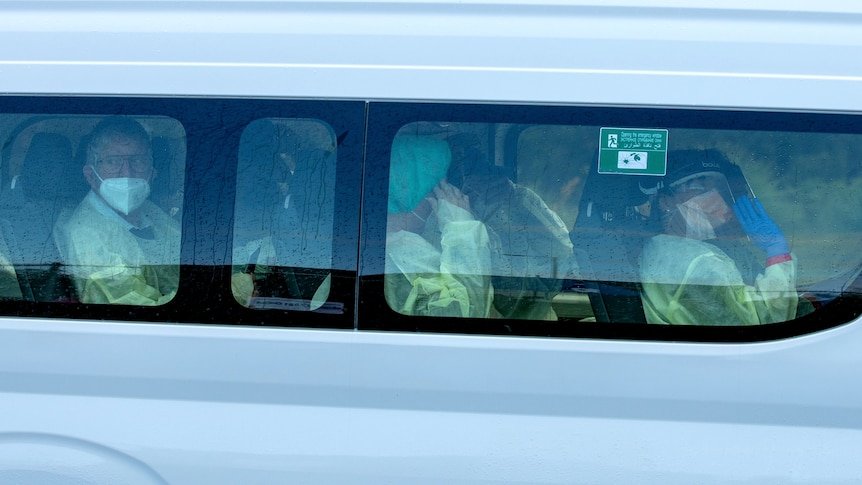
What is confirmed is that six people linked to Australia — four Australian citizens, one Australian permanent resident and one New Zealand citizen — were evacuated from the Netherlands to Perth under full biosecurity precautions after disembarking the ship.
They are being held in quarantine at the Centre for National Resilience in Bullsbrook, north-east of Perth, for at least three weeks despite showing no symptoms and initially testing negative.
The outbreak aboard the MV Hondius triggered a multinational health response spanning Europe, Africa, Australia and North America.
Health authorities have confirmed multiple hantavirus infections connected to the voyage, including laboratory-confirmed cases in passengers from several countries.
The Andes strain involved in the outbreak is rare because, unlike most hantaviruses, it can spread between humans through close and prolonged contact.
The key issue now confronting passengers is whether anyone can realistically recover financial damages for the disruption, quarantine costs, psychological stress or potential exposure to a deadly disease.
Legal experts increasingly say the answer may be no, or at least not easily.
Oceanwide Expeditions, the operator of the vessel, included broad liability exclusions in its passenger contract.
The company’s terms state that it cannot be held responsible for illness, injury, death or medical evacuation claims connected to the voyage.
The contract also specifies that Dutch law governs disputes involving the cruise.
That jurisdiction clause matters enormously.
Unlike the Ruby Princess litigation during the COVID-19 pandemic, the MV Hondius case has limited direct connection to Australia.
The ship is Dutch-flagged, operated by a Netherlands-based company and sailed internationally through South Atlantic waters.
Legal specialists say this sharply weakens the ability of Australian courts to assert authority over compensation claims.
Some Australian legal academics argue consumer protection law could still apply if tickets were sold in Australia or marketed to Australian consumers.
Under Australian consumer law, companies are required to provide services that are reasonably safe and fit for purpose.
A claimant could attempt to argue that a voyage linked to a deadly infectious disease outbreak breached those guarantees.
But establishing liability would be difficult.
There is still no confirmed evidence that the cruise operator acted negligently before the outbreak emerged.
That distinction is critical.
Maritime contracts often contain sweeping liability waivers, but courts in some jurisdictions can override them if a company ignored known risks, concealed hazards or failed to act reasonably once danger became apparent.
At this stage, no public evidence has demonstrated that Oceanwide Expeditions knowingly exposed passengers to infected conditions or failed to implement required health protocols.
Some passengers have reportedly praised the onboard medical response and evacuation coordination during the crisis.
The outbreak itself remains medically unusual.
Hantaviruses are typically transmitted through contact with infected rodent waste, especially in parts of South America where the Andes strain circulates naturally.
Human-to-human transmission is considered uncommon and usually requires sustained close exposure to symptomatic patients.
That scientific reality is shaping the public health response.
Authorities in Australia, Europe and North America continue to stress that the risk of widespread community transmission remains low.
Nonetheless, governments have imposed aggressive containment measures because the incubation period can stretch for weeks and the virus carries a high fatality rate in severe cases.
The Australian quarantine operation reflects lessons learned from COVID-19. The passengers were transported under strict infection-control protocols, escorted directly into isolation and separated from the general public during arrival procedures.
Australian authorities have also emphasized that there have been no confirmed human hantavirus cases originating within Australia itself.
The incident has also exposed how vulnerable expedition cruise operations remain to infectious disease events.
Unlike mass-market cruise liners, polar expedition vessels operate far from advanced medical infrastructure, often spending extended periods at sea with limited evacuation options.
Once a serious illness emerges onboard, containment becomes operationally and legally complex.
The broader consequence for the cruise industry may be reputational rather than judicial.
Even if compensation claims fail, the outbreak has revived scrutiny of passenger contracts that heavily shield operators from liability while leaving travelers exposed to quarantine orders, medical uncertainty and international legal barriers.
For the Australians now isolated in Perth, the immediate reality is practical rather than legal.
They remain under medical monitoring while authorities continue international contact tracing tied to one of the most closely watched infectious disease incidents involving a cruise ship since the pandemic era.
The legal structure governing the voyage is now becoming nearly as consequential as the public health emergency itself, particularly for Australian passengers flown into strict quarantine after testing negative.
What is confirmed is that six people linked to Australia — four Australian citizens, one Australian permanent resident and one New Zealand citizen — were evacuated from the Netherlands to Perth under full biosecurity precautions after disembarking the ship.
They are being held in quarantine at the Centre for National Resilience in Bullsbrook, north-east of Perth, for at least three weeks despite showing no symptoms and initially testing negative.
The outbreak aboard the MV Hondius triggered a multinational health response spanning Europe, Africa, Australia and North America.
Health authorities have confirmed multiple hantavirus infections connected to the voyage, including laboratory-confirmed cases in passengers from several countries.
The Andes strain involved in the outbreak is rare because, unlike most hantaviruses, it can spread between humans through close and prolonged contact.
The key issue now confronting passengers is whether anyone can realistically recover financial damages for the disruption, quarantine costs, psychological stress or potential exposure to a deadly disease.
Legal experts increasingly say the answer may be no, or at least not easily.
Oceanwide Expeditions, the operator of the vessel, included broad liability exclusions in its passenger contract.
The company’s terms state that it cannot be held responsible for illness, injury, death or medical evacuation claims connected to the voyage.
The contract also specifies that Dutch law governs disputes involving the cruise.
That jurisdiction clause matters enormously.
Unlike the Ruby Princess litigation during the COVID-19 pandemic, the MV Hondius case has limited direct connection to Australia.
The ship is Dutch-flagged, operated by a Netherlands-based company and sailed internationally through South Atlantic waters.
Legal specialists say this sharply weakens the ability of Australian courts to assert authority over compensation claims.
Some Australian legal academics argue consumer protection law could still apply if tickets were sold in Australia or marketed to Australian consumers.
Under Australian consumer law, companies are required to provide services that are reasonably safe and fit for purpose.
A claimant could attempt to argue that a voyage linked to a deadly infectious disease outbreak breached those guarantees.
But establishing liability would be difficult.
There is still no confirmed evidence that the cruise operator acted negligently before the outbreak emerged.
That distinction is critical.
Maritime contracts often contain sweeping liability waivers, but courts in some jurisdictions can override them if a company ignored known risks, concealed hazards or failed to act reasonably once danger became apparent.
At this stage, no public evidence has demonstrated that Oceanwide Expeditions knowingly exposed passengers to infected conditions or failed to implement required health protocols.
Some passengers have reportedly praised the onboard medical response and evacuation coordination during the crisis.
The outbreak itself remains medically unusual.
Hantaviruses are typically transmitted through contact with infected rodent waste, especially in parts of South America where the Andes strain circulates naturally.
Human-to-human transmission is considered uncommon and usually requires sustained close exposure to symptomatic patients.
That scientific reality is shaping the public health response.
Authorities in Australia, Europe and North America continue to stress that the risk of widespread community transmission remains low.
Nonetheless, governments have imposed aggressive containment measures because the incubation period can stretch for weeks and the virus carries a high fatality rate in severe cases.
The Australian quarantine operation reflects lessons learned from COVID-19. The passengers were transported under strict infection-control protocols, escorted directly into isolation and separated from the general public during arrival procedures.
Australian authorities have also emphasized that there have been no confirmed human hantavirus cases originating within Australia itself.
The incident has also exposed how vulnerable expedition cruise operations remain to infectious disease events.
Unlike mass-market cruise liners, polar expedition vessels operate far from advanced medical infrastructure, often spending extended periods at sea with limited evacuation options.
Once a serious illness emerges onboard, containment becomes operationally and legally complex.
The broader consequence for the cruise industry may be reputational rather than judicial.
Even if compensation claims fail, the outbreak has revived scrutiny of passenger contracts that heavily shield operators from liability while leaving travelers exposed to quarantine orders, medical uncertainty and international legal barriers.
For the Australians now isolated in Perth, the immediate reality is practical rather than legal.
They remain under medical monitoring while authorities continue international contact tracing tied to one of the most closely watched infectious disease incidents involving a cruise ship since the pandemic era.
AI Disclaimer: An advanced artificial intelligence (AI) system generated the content of this page on its own. This innovative technology conducts extensive research from a variety of reliable sources, performs rigorous fact-checking and verification, cleans up and balances biased or manipulated content, and presents a minimal factual summary that is just enough yet essential for you to function as an informed and educated citizen. Please keep in mind, however, that this system is an evolving technology, and as a result, the article may contain accidental inaccuracies or errors. We urge you to help us improve our site by reporting any inaccuracies you find using the "Contact Us" link at the bottom of this page. Your helpful feedback helps us improve our system and deliver more precise content. When you find an article of interest here, please look for the full and extensive coverage of this topic in traditional news sources, as they are written by professional journalists that we try to support, not replace. We appreciate your understanding and assistance.