
Westpac Earnings, Superannuation Risk Warnings, and Fragile Ceasefire Signal Diverging Pressures on Australian Economy
Bank results, regulatory concern over self-managed retirement funds, and renewed geopolitical tension combine to test financial stability and investor confidence
SYSTEM-DRIVEN financial and geopolitical pressures are converging on Australia’s economic outlook, as a fragile ceasefire abroad shows signs of strain, regulators intensify warnings about self-managed superannuation risks, and Westpac delivers closely watched earnings that reflect a changing banking environment.
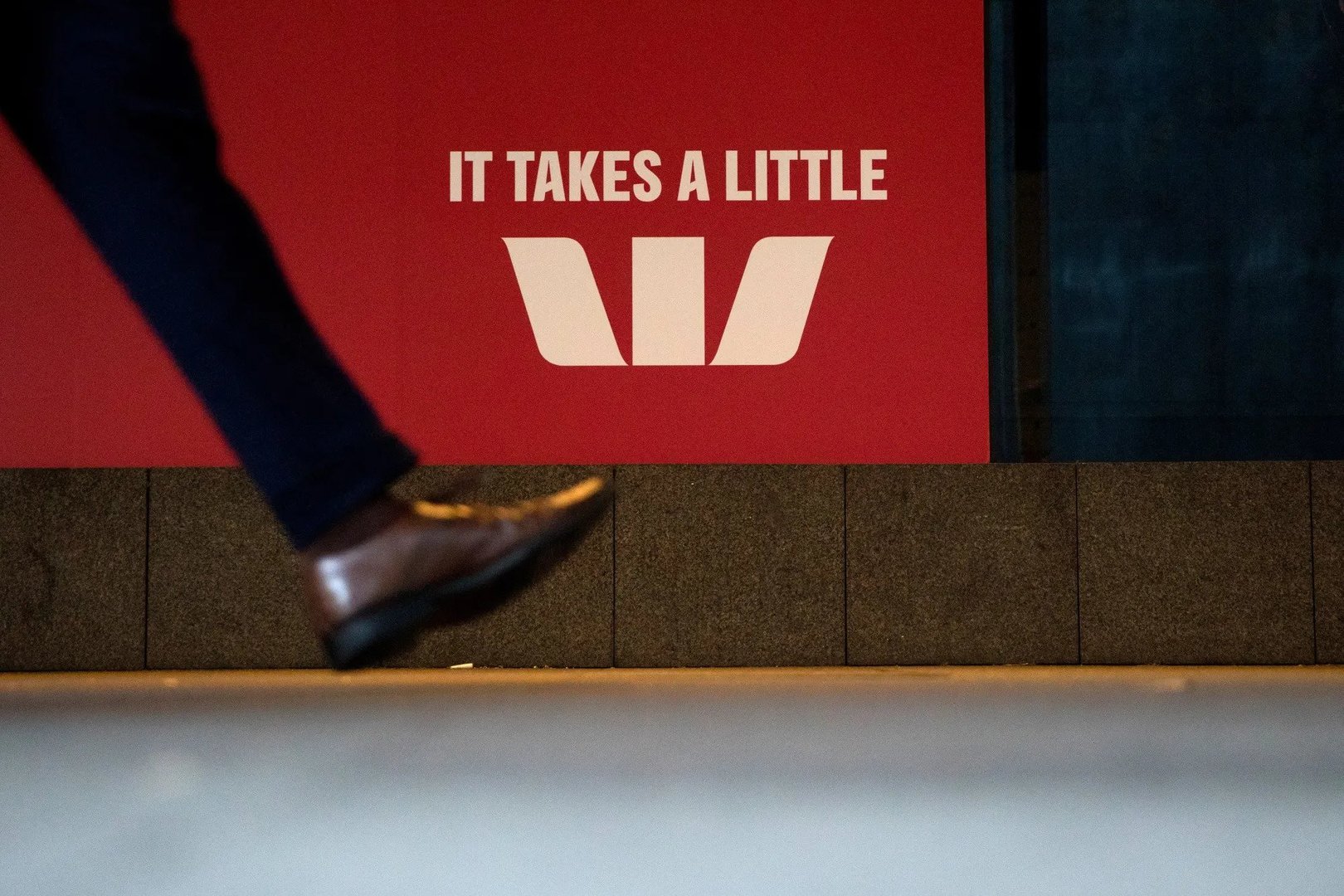
What is confirmed is that Westpac, one of Australia’s largest banks, has reported results that highlight both resilience in core lending and mounting pressure on margins.
Higher interest rates have supported income from loans, but competition for deposits and rising funding costs are compressing profitability.
At the same time, asset quality remains broadly stable, with only gradual increases in loan stress indicators.
The bank’s performance is being assessed not in isolation but as a signal for the broader financial system.
Australian banks have benefited from a prolonged period of higher rates, yet that tailwind is weakening as funding costs catch up and economic growth moderates.
The shift marks a transition from expansion driven by monetary tightening to a more complex phase where credit demand, household resilience, and global conditions play larger roles.
Parallel to banking sector developments, regulators are sharpening their focus on self-managed superannuation funds, a segment of Australia’s retirement system where individuals directly control investment decisions.
Authorities have raised concerns about concentration risk, particularly in property and single-asset exposures, as well as the use of leverage within these structures.
The key issue is that self-managed funds, while offering flexibility and control, can expose individuals to higher volatility and less diversification than professionally managed portfolios.
Regulators have signaled that compliance oversight will tighten, with increased scrutiny on trustees’ investment strategies and risk disclosures.
The warnings are part of a broader effort to ensure that retirement savings are not unduly exposed to market shocks at a time of global uncertainty.
Overlaying these domestic financial dynamics is renewed geopolitical tension following signs that a previously established ceasefire in a major conflict zone is weakening.
While the specific developments are evolving, the immediate economic relevance lies in the impact on energy markets, investor sentiment, and global trade flows.
Australia’s economy is sensitive to such external shocks through commodity prices, currency movements, and financial market volatility.
A breakdown in ceasefire conditions can quickly translate into higher energy costs and risk-off behavior among investors, affecting everything from inflation expectations to capital flows.
The interaction between these forces is critical.
Banking sector stability depends partly on household and business confidence, which in turn is influenced by global conditions.
At the same time, retirement savings systems rely on stable asset markets, making them vulnerable to sudden geopolitical disruptions.
For policymakers, the challenge is balancing domestic financial oversight with preparedness for external shocks.
Regulatory tightening in superannuation aims to reduce systemic risk, while banking sector resilience is being monitored through capital and liquidity frameworks already strengthened after previous crises.
Markets are responding cautiously.
Bank earnings are being interpreted as solid but no longer buoyed by easy gains, while regulatory signals on superannuation are prompting reassessment of risk exposure among individual investors.
Geopolitical developments are adding a layer of uncertainty that could shift conditions rapidly.
The immediate consequence is a more constrained and risk-aware financial environment in Australia, where institutions, regulators, and investors are adjusting to tighter margins, stricter oversight, and a less predictable global backdrop.
The next phase will be defined by how these pressures interact, with bank performance, regulatory action, and geopolitical developments jointly shaping the trajectory of Australia’s financial stability and economic momentum.
AI Disclaimer: An advanced artificial intelligence (AI) system generated the content of this page on its own. This innovative technology conducts extensive research from a variety of reliable sources, performs rigorous fact-checking and verification, cleans up and balances biased or manipulated content, and presents a minimal factual summary that is just enough yet essential for you to function as an informed and educated citizen. Please keep in mind, however, that this system is an evolving technology, and as a result, the article may contain accidental inaccuracies or errors. We urge you to help us improve our site by reporting any inaccuracies you find using the "Contact Us" link at the bottom of this page. Your helpful feedback helps us improve our system and deliver more precise content. When you find an article of interest here, please look for the full and extensive coverage of this topic in traditional news sources, as they are written by professional journalists that we try to support, not replace. We appreciate your understanding and assistance.