Darwin Port Dispute Tests Australia’s Security Policy and China Ties
A looming decision over a Chinese-linked lease at a strategic northern port is becoming a focal point for both national security policy and the fragile reset in Sino-Australian relations
ACTOR-DRIVEN government decision-making in Australia is shaping a high-stakes review of Darwin Port, a strategically located northern harbor leased to a Chinese-linked company, in a case that now sits at the intersection of national security policy and efforts to stabilize relations with China.
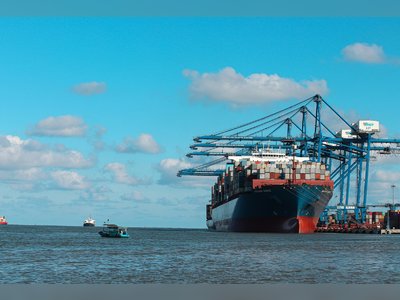
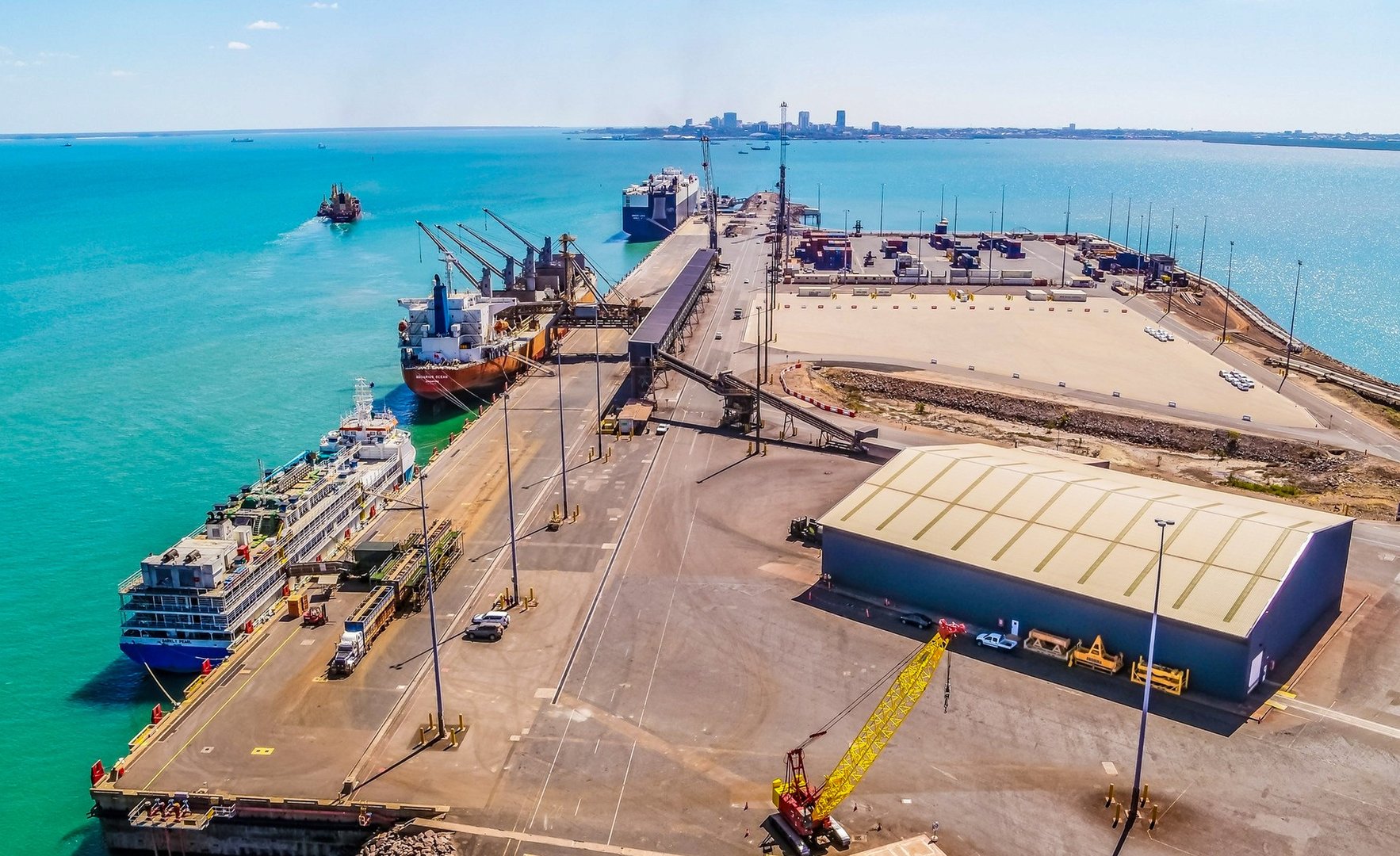
What is confirmed is that the Australian government is actively reviewing the long-term lease of Darwin Port, currently operated by a company controlled by Chinese interests under a 99-year agreement signed in 2015. The port sits near critical defense infrastructure and is geographically positioned as a gateway to the Indo-Pacific, making it a sensitive asset in Australia’s strategic planning.
The central issue is whether the lease arrangement remains acceptable under current national security standards.
When the deal was approved, scrutiny of foreign investment in critical infrastructure was less stringent.
Since then, Australia has significantly tightened its regulatory framework, expanding powers to review and potentially unwind foreign ownership in sectors deemed vital to national interest.
Security agencies have raised concerns about the potential for intelligence risks and strategic leverage arising from foreign control of infrastructure located close to military operations.
Darwin hosts rotational deployments of foreign troops and serves as a logistical hub for regional defense activities, elevating the port’s importance beyond commercial shipping.
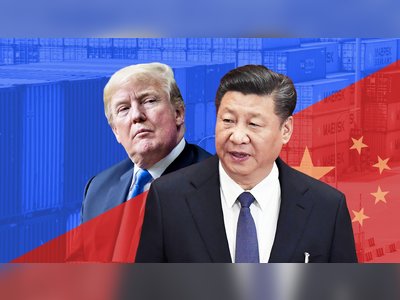
At the same time, the review is unfolding against a backdrop of cautiously improving relations between Australia and China after several years of trade restrictions and diplomatic strain.
Recent efforts by both governments have focused on stabilizing economic ties, including the removal of some trade barriers and the resumption of high-level dialogue.
The Darwin Port case has therefore become more than a domestic policy question.
It is also a test of whether Australia can enforce stricter security standards without triggering a renewed deterioration in bilateral relations.
A forced divestment or termination of the lease could be interpreted by Beijing as a politically motivated move, while allowing the arrangement to continue could draw domestic criticism over security risks.
The company operating the port has maintained that it complies with Australian law and operates as a commercial entity without involvement in state-directed activities.
The allegation that the port poses a direct security threat has not been proven in public disclosures, but policymakers are evaluating risk based on potential exposure rather than confirmed misuse.
Australia’s foreign investment review system now includes powers to impose conditions, require operational changes, or order divestment if a transaction is deemed contrary to national interest.
The Darwin Port review is one of the most prominent tests of these expanded authorities in practice.
Economically, the port is a relatively small asset in global terms but significant for northern Australia’s development strategy.
Any change in ownership or operational control could affect regional investment flows, infrastructure planning, and trade logistics in the area.
For China, the outcome carries symbolic and practical weight.
The lease has often been cited as an example of Chinese commercial presence in developed markets.
A reversal would signal tighter barriers to such investments, while a negotiated adjustment could demonstrate a pathway for coexistence under stricter rules.
The decision timeline has tightened as political pressure builds domestically.
Australian leaders have indicated that national security considerations will be decisive, but have also emphasized the importance of maintaining stable economic relations with China.
The immediate next step is a formal determination by the government following the security review, which will set a precedent for how Australia balances foreign investment openness with strategic risk management in critical infrastructure.
What is confirmed is that the Australian government is actively reviewing the long-term lease of Darwin Port, currently operated by a company controlled by Chinese interests under a 99-year agreement signed in 2015. The port sits near critical defense infrastructure and is geographically positioned as a gateway to the Indo-Pacific, making it a sensitive asset in Australia’s strategic planning.
The central issue is whether the lease arrangement remains acceptable under current national security standards.
When the deal was approved, scrutiny of foreign investment in critical infrastructure was less stringent.
Since then, Australia has significantly tightened its regulatory framework, expanding powers to review and potentially unwind foreign ownership in sectors deemed vital to national interest.
Security agencies have raised concerns about the potential for intelligence risks and strategic leverage arising from foreign control of infrastructure located close to military operations.
Darwin hosts rotational deployments of foreign troops and serves as a logistical hub for regional defense activities, elevating the port’s importance beyond commercial shipping.
At the same time, the review is unfolding against a backdrop of cautiously improving relations between Australia and China after several years of trade restrictions and diplomatic strain.
Recent efforts by both governments have focused on stabilizing economic ties, including the removal of some trade barriers and the resumption of high-level dialogue.
The Darwin Port case has therefore become more than a domestic policy question.
It is also a test of whether Australia can enforce stricter security standards without triggering a renewed deterioration in bilateral relations.
A forced divestment or termination of the lease could be interpreted by Beijing as a politically motivated move, while allowing the arrangement to continue could draw domestic criticism over security risks.
The company operating the port has maintained that it complies with Australian law and operates as a commercial entity without involvement in state-directed activities.
The allegation that the port poses a direct security threat has not been proven in public disclosures, but policymakers are evaluating risk based on potential exposure rather than confirmed misuse.
Australia’s foreign investment review system now includes powers to impose conditions, require operational changes, or order divestment if a transaction is deemed contrary to national interest.
The Darwin Port review is one of the most prominent tests of these expanded authorities in practice.
Economically, the port is a relatively small asset in global terms but significant for northern Australia’s development strategy.
Any change in ownership or operational control could affect regional investment flows, infrastructure planning, and trade logistics in the area.
For China, the outcome carries symbolic and practical weight.
The lease has often been cited as an example of Chinese commercial presence in developed markets.
A reversal would signal tighter barriers to such investments, while a negotiated adjustment could demonstrate a pathway for coexistence under stricter rules.
The decision timeline has tightened as political pressure builds domestically.
Australian leaders have indicated that national security considerations will be decisive, but have also emphasized the importance of maintaining stable economic relations with China.
The immediate next step is a formal determination by the government following the security review, which will set a precedent for how Australia balances foreign investment openness with strategic risk management in critical infrastructure.
AI Disclaimer: An advanced artificial intelligence (AI) system generated the content of this page on its own. This innovative technology conducts extensive research from a variety of reliable sources, performs rigorous fact-checking and verification, cleans up and balances biased or manipulated content, and presents a minimal factual summary that is just enough yet essential for you to function as an informed and educated citizen. Please keep in mind, however, that this system is an evolving technology, and as a result, the article may contain accidental inaccuracies or errors. We urge you to help us improve our site by reporting any inaccuracies you find using the "Contact Us" link at the bottom of this page. Your helpful feedback helps us improve our system and deliver more precise content. When you find an article of interest here, please look for the full and extensive coverage of this topic in traditional news sources, as they are written by professional journalists that we try to support, not replace. We appreciate your understanding and assistance.