

Inside the U.S. Operation That Tracked, Struck, and Captured Nicolás Maduro in Caracas
Months of intelligence surveillance culminated in a coordinated air and ground assault authorized by President Trump and executed within hours
Nicolás Maduro’s rule ended with a United States operation planned over months and executed in a single night, following intensive intelligence surveillance that mapped his movements, habits, and security routines in detail.
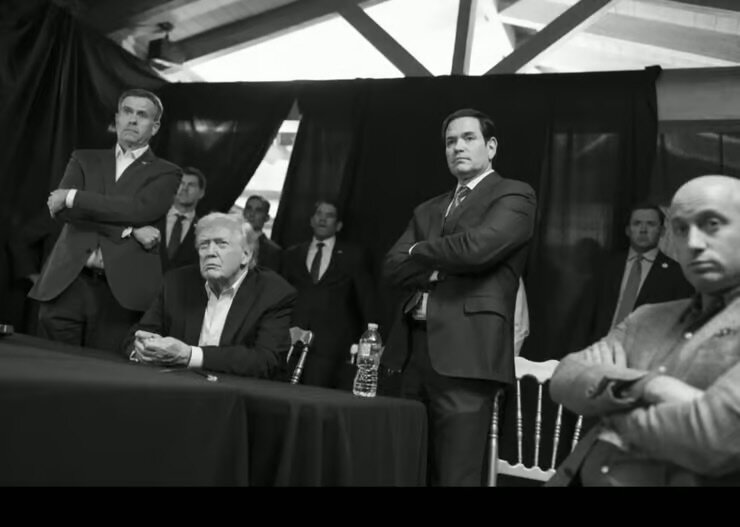
President Donald Trump authorized the mission after receiving what was described as critical intelligence confirming Maduro’s location inside a heavily fortified military complex in Caracas.
According to the account provided, American intelligence agencies conducted sustained monitoring of Maduro’s travel patterns, residences, meals, and personal security.
Satellite imagery, intercepted communications, and on-the-ground intelligence were combined to establish a precise operational window.
The final authorization was given days after the decisive information was obtained.
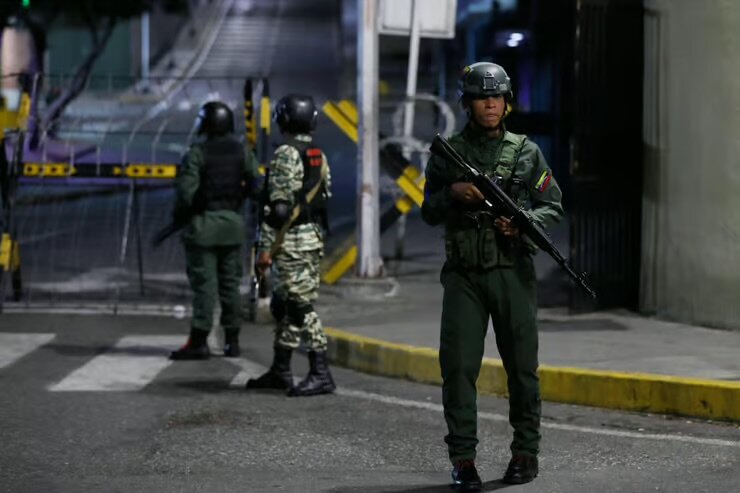
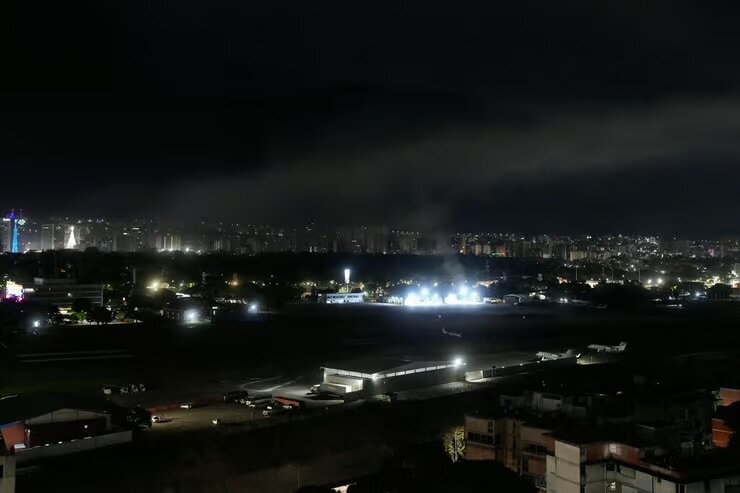
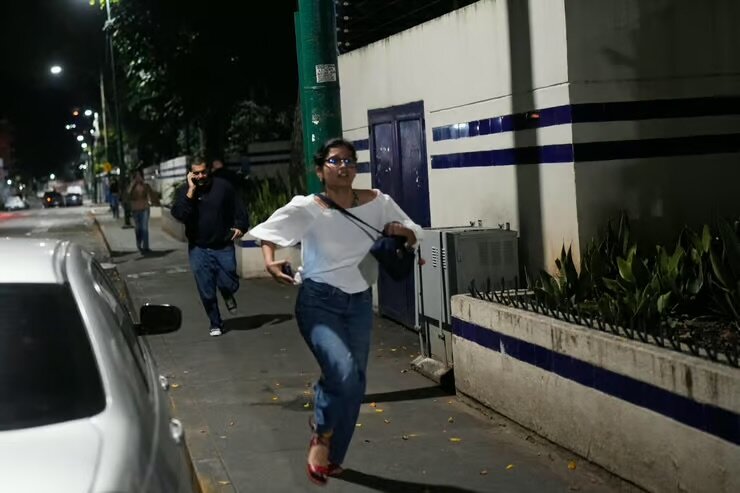
In the early hours of the morning, the operation began with powerful explosions across Caracas as American aircraft struck strategic targets, including radar and communications systems, to disable Venezuela’s military response.
The air campaign was designed as a diversion, fixing presidential guard units in place while the primary objective moved forward.
More than one hundred and fifty aircraft operating from twenty bases across the Western Hemisphere took part.
Transport helicopters carrying Delta Force personnel penetrated Venezuelan airspace under the cover of the air strikes and landed inside the residential compound at the Fuerte Tiuna military base, described as the most fortified stronghold of the Maduro regime.
The ground force breached multiple security layers using advanced weapons and stun grenades.
Despite resistance and several injuries among the assault team, the unit advanced rapidly with real-time intelligence support from air and ground assets.
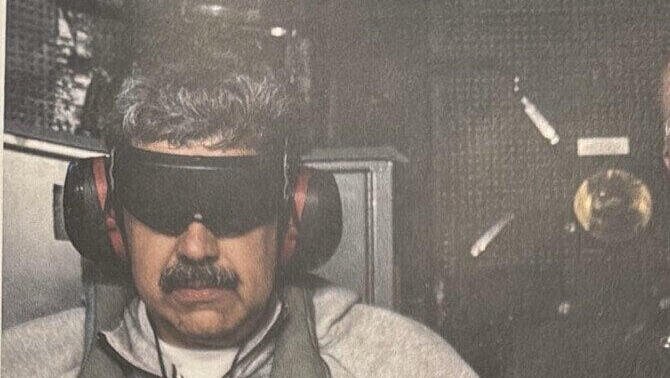
Maduro and his wife attempted to evade capture but were intercepted inside the compound before reaching a secured escape route.
Once detained, the pair were restrained and evacuated by helicopter.
For security and sovereignty reasons, they were not flown directly to the United States.
Instead, they were transported to an American amphibious assault ship positioned in international waters in the Caribbean Sea.
On board, both underwent biometric identification and initial medical examinations before being transferred to a military transport aircraft bound for the United States.
After their arrival, Secretary of State Marco Rubio and Attorney General Pam Bondi announced that Maduro would face trial in the Southern District of New York on charges including narcotics terrorism, conspiracy to import cocaine into the United States, and illegal weapons possession.
Bondi stated that Maduro’s wife would also stand trial, though specific charges against her were not detailed.
The chairman of the Joint Chiefs of Staff described the mission as one that required total coordination across military branches and intelligence agencies, noting that any single failure could have caused the operation to collapse.
The operation marked one of the most complex and far-reaching U.S. military actions in the region in decades.
President Donald Trump authorized the mission after receiving what was described as critical intelligence confirming Maduro’s location inside a heavily fortified military complex in Caracas.
According to the account provided, American intelligence agencies conducted sustained monitoring of Maduro’s travel patterns, residences, meals, and personal security.
Satellite imagery, intercepted communications, and on-the-ground intelligence were combined to establish a precise operational window.
The final authorization was given days after the decisive information was obtained.
In the early hours of the morning, the operation began with powerful explosions across Caracas as American aircraft struck strategic targets, including radar and communications systems, to disable Venezuela’s military response.
The air campaign was designed as a diversion, fixing presidential guard units in place while the primary objective moved forward.
More than one hundred and fifty aircraft operating from twenty bases across the Western Hemisphere took part.
Transport helicopters carrying Delta Force personnel penetrated Venezuelan airspace under the cover of the air strikes and landed inside the residential compound at the Fuerte Tiuna military base, described as the most fortified stronghold of the Maduro regime.
The ground force breached multiple security layers using advanced weapons and stun grenades.
Despite resistance and several injuries among the assault team, the unit advanced rapidly with real-time intelligence support from air and ground assets.
Maduro and his wife attempted to evade capture but were intercepted inside the compound before reaching a secured escape route.
Once detained, the pair were restrained and evacuated by helicopter.
For security and sovereignty reasons, they were not flown directly to the United States.
Instead, they were transported to an American amphibious assault ship positioned in international waters in the Caribbean Sea.
On board, both underwent biometric identification and initial medical examinations before being transferred to a military transport aircraft bound for the United States.
After their arrival, Secretary of State Marco Rubio and Attorney General Pam Bondi announced that Maduro would face trial in the Southern District of New York on charges including narcotics terrorism, conspiracy to import cocaine into the United States, and illegal weapons possession.
Bondi stated that Maduro’s wife would also stand trial, though specific charges against her were not detailed.
The chairman of the Joint Chiefs of Staff described the mission as one that required total coordination across military branches and intelligence agencies, noting that any single failure could have caused the operation to collapse.
The operation marked one of the most complex and far-reaching U.S. military actions in the region in decades.
AI Disclaimer: An advanced artificial intelligence (AI) system generated the content of this page on its own. This innovative technology conducts extensive research from a variety of reliable sources, performs rigorous fact-checking and verification, cleans up and balances biased or manipulated content, and presents a minimal factual summary that is just enough yet essential for you to function as an informed and educated citizen. Please keep in mind, however, that this system is an evolving technology, and as a result, the article may contain accidental inaccuracies or errors. We urge you to help us improve our site by reporting any inaccuracies you find using the "Contact Us" link at the bottom of this page. Your helpful feedback helps us improve our system and deliver more precise content. When you find an article of interest here, please look for the full and extensive coverage of this topic in traditional news sources, as they are written by professional journalists that we try to support, not replace. We appreciate your understanding and assistance.