Australia Moves Toward a New Fight Over Gas Profits and Energy Power
Prime Minister Anthony Albanese has reportedly ordered Treasury modelling on a potential windfall tax for gas exporters as political pressure intensifies over domestic energy costs, industry profits, and looming supply shortages.
The Australian government’s reported move to explore a windfall tax on gas profits is fundamentally actor-driven because it reflects a direct intervention by Prime Minister Anthony Albanese and his administration into one of the country’s most politically sensitive industries: liquefied natural gas.
The key issue is not simply whether Australia’s gas producers are making large profits.
It is whether a country that is one of the world’s largest exporters of liquefied natural gas can continue defending a system in which domestic households and manufacturers face high energy prices while multinational producers generate substantial export revenue.
What is confirmed is that the government has been examining additional fiscal and regulatory options for the gas sector amid mounting concern over domestic supply pressure and political frustration about the distribution of energy profits.
Reports that Albanese asked Treasury to model a tax on windfall gas profits immediately triggered strong reactions from the energy industry and investors because such a measure would represent a major escalation in Canberra’s interventionist approach to energy policy.
Australia’s gas market sits at the centre of a broader structural contradiction.
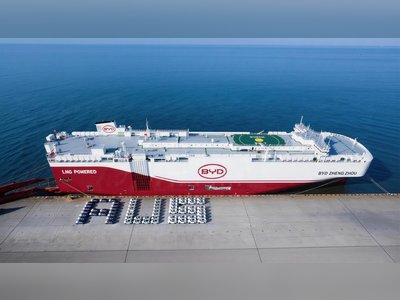
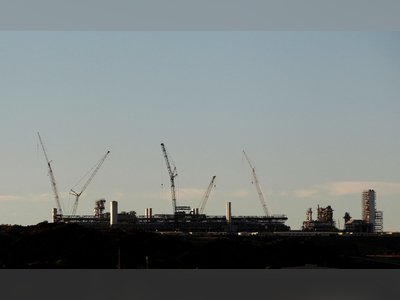
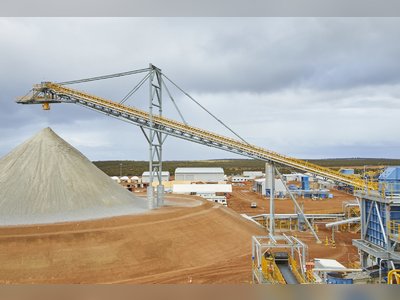
The country exports enormous volumes of liquefied natural gas, particularly from Western Australia and Queensland, yet domestic consumers remain exposed to price spikes linked to international markets.
When global energy prices surged after Russia’s invasion of Ukraine, Australian energy producers benefited from elevated export prices while local manufacturers and households absorbed rising electricity and gas costs.
That disconnect reshaped the political debate.
The Albanese government already imposed temporary caps on wholesale gas and coal prices during the energy shock period.
It also strengthened mechanisms designed to ensure adequate domestic gas supply.
A windfall tax would go further by directly targeting extraordinary profits generated during periods of abnormal market conditions.
The concept of a windfall tax is politically attractive because it allows governments to argue that exceptional profits derived from global disruptions should be partially redirected toward public finances or consumer relief.
Similar debates have occurred in Europe and other energy-producing economies since the global energy crisis intensified.
In Australia, however, the issue is especially sensitive because the country’s liquefied natural gas industry represents one of its most valuable export sectors.
The industry has invested hundreds of billions of dollars into export infrastructure and long-term production projects.
Producers argue that retrospective taxation or aggressive fiscal intervention would damage investment confidence, weaken future supply development, and undermine Australia’s reputation as a stable destination for capital.
The industry also disputes the framing that producers are withholding supply or unfairly profiting at the expense of Australians.
Companies argue that much of the exported gas is tied to long-term contracts signed years in advance and that market volatility cannot be solved through punitive taxation alone.
But political pressure is increasing because eastern Australia faces continuing concerns about future gas shortages despite the country’s export strength.
Energy market authorities have repeatedly warned that structural supply gaps could emerge later this decade without additional investment or domestic reservation measures.
The debate is also tied to inflation and cost-of-living pressure.
High electricity and gas prices became a major political liability across advanced economies after the pandemic recovery and the Ukraine war disrupted energy markets.
Governments worldwide faced demands to intervene more aggressively against sectors perceived to be generating extraordinary profits during periods of public financial stress.
Australia’s tax system for petroleum production has already faced criticism for years.
Critics argue that the Petroleum Resource Rent Tax failed to capture enough revenue from the country’s massive liquefied natural gas boom relative to the scale of exports and profits generated.
Several reviews and political campaigns have questioned whether Australians received an adequate return on publicly owned natural resources.
The Albanese government has already tightened aspects of the petroleum tax regime, including adjustments aimed at increasing tax collection from gas exporters over time.
A separate windfall tax would represent a much more confrontational step because it would explicitly target exceptional earnings rather than standard project profitability.
The timing matters politically.
The government is attempting to balance competing pressures simultaneously: maintaining investor confidence, managing energy affordability, supporting industrial competitiveness, and pursuing long-term decarbonization goals.
Gas remains deeply embedded in Australia’s energy system and export economy even as the country expands renewable energy investment.
Financial markets reacted cautiously to reports of Treasury modelling because investors understand that modelling itself does not mean a tax is imminent.
Governments routinely examine policy options that are never implemented.
But the fact that such modelling is reportedly being considered at senior levels signals that stronger intervention is no longer politically unthinkable.
The broader economic stakes are substantial.
A windfall tax could increase government revenue during periods of elevated commodity prices and potentially support cost-of-living measures or budget repair.
It could also intensify tensions between Canberra and major energy companies at a time when Australia still requires large-scale investment in energy infrastructure.
The issue also exposes a deeper strategic question for resource-rich economies: how to balance export maximization with domestic economic stability.
Australia built one of the world’s largest liquefied natural gas export industries around global demand growth, particularly from Asia.
But linking domestic energy prices to international markets created political backlash once global prices surged.
For Albanese, the political calculation is increasingly clear.
Voters facing high living costs are less receptive to arguments defending extraordinary corporate energy profits, particularly when Australia’s natural resources are central to the discussion.
For the gas industry, the concern is equally clear: once governments normalize direct intervention into commodity profits during crises, the long-term investment framework becomes less predictable.
The government’s reported request for Treasury modelling has therefore become more than a technical fiscal exercise.
It marks another stage in Australia’s widening struggle over who benefits most from the country’s energy wealth and how aggressively the state should intervene when global market shocks collide with domestic economic pressure.
The key issue is not simply whether Australia’s gas producers are making large profits.
It is whether a country that is one of the world’s largest exporters of liquefied natural gas can continue defending a system in which domestic households and manufacturers face high energy prices while multinational producers generate substantial export revenue.
What is confirmed is that the government has been examining additional fiscal and regulatory options for the gas sector amid mounting concern over domestic supply pressure and political frustration about the distribution of energy profits.
Reports that Albanese asked Treasury to model a tax on windfall gas profits immediately triggered strong reactions from the energy industry and investors because such a measure would represent a major escalation in Canberra’s interventionist approach to energy policy.
Australia’s gas market sits at the centre of a broader structural contradiction.
The country exports enormous volumes of liquefied natural gas, particularly from Western Australia and Queensland, yet domestic consumers remain exposed to price spikes linked to international markets.
When global energy prices surged after Russia’s invasion of Ukraine, Australian energy producers benefited from elevated export prices while local manufacturers and households absorbed rising electricity and gas costs.
That disconnect reshaped the political debate.
The Albanese government already imposed temporary caps on wholesale gas and coal prices during the energy shock period.
It also strengthened mechanisms designed to ensure adequate domestic gas supply.
A windfall tax would go further by directly targeting extraordinary profits generated during periods of abnormal market conditions.
The concept of a windfall tax is politically attractive because it allows governments to argue that exceptional profits derived from global disruptions should be partially redirected toward public finances or consumer relief.
Similar debates have occurred in Europe and other energy-producing economies since the global energy crisis intensified.
In Australia, however, the issue is especially sensitive because the country’s liquefied natural gas industry represents one of its most valuable export sectors.
The industry has invested hundreds of billions of dollars into export infrastructure and long-term production projects.
Producers argue that retrospective taxation or aggressive fiscal intervention would damage investment confidence, weaken future supply development, and undermine Australia’s reputation as a stable destination for capital.
The industry also disputes the framing that producers are withholding supply or unfairly profiting at the expense of Australians.
Companies argue that much of the exported gas is tied to long-term contracts signed years in advance and that market volatility cannot be solved through punitive taxation alone.
But political pressure is increasing because eastern Australia faces continuing concerns about future gas shortages despite the country’s export strength.
Energy market authorities have repeatedly warned that structural supply gaps could emerge later this decade without additional investment or domestic reservation measures.
The debate is also tied to inflation and cost-of-living pressure.
High electricity and gas prices became a major political liability across advanced economies after the pandemic recovery and the Ukraine war disrupted energy markets.
Governments worldwide faced demands to intervene more aggressively against sectors perceived to be generating extraordinary profits during periods of public financial stress.
Australia’s tax system for petroleum production has already faced criticism for years.
Critics argue that the Petroleum Resource Rent Tax failed to capture enough revenue from the country’s massive liquefied natural gas boom relative to the scale of exports and profits generated.
Several reviews and political campaigns have questioned whether Australians received an adequate return on publicly owned natural resources.
The Albanese government has already tightened aspects of the petroleum tax regime, including adjustments aimed at increasing tax collection from gas exporters over time.
A separate windfall tax would represent a much more confrontational step because it would explicitly target exceptional earnings rather than standard project profitability.
The timing matters politically.
The government is attempting to balance competing pressures simultaneously: maintaining investor confidence, managing energy affordability, supporting industrial competitiveness, and pursuing long-term decarbonization goals.
Gas remains deeply embedded in Australia’s energy system and export economy even as the country expands renewable energy investment.
Financial markets reacted cautiously to reports of Treasury modelling because investors understand that modelling itself does not mean a tax is imminent.
Governments routinely examine policy options that are never implemented.
But the fact that such modelling is reportedly being considered at senior levels signals that stronger intervention is no longer politically unthinkable.
The broader economic stakes are substantial.
A windfall tax could increase government revenue during periods of elevated commodity prices and potentially support cost-of-living measures or budget repair.
It could also intensify tensions between Canberra and major energy companies at a time when Australia still requires large-scale investment in energy infrastructure.
The issue also exposes a deeper strategic question for resource-rich economies: how to balance export maximization with domestic economic stability.
Australia built one of the world’s largest liquefied natural gas export industries around global demand growth, particularly from Asia.
But linking domestic energy prices to international markets created political backlash once global prices surged.
For Albanese, the political calculation is increasingly clear.
Voters facing high living costs are less receptive to arguments defending extraordinary corporate energy profits, particularly when Australia’s natural resources are central to the discussion.
For the gas industry, the concern is equally clear: once governments normalize direct intervention into commodity profits during crises, the long-term investment framework becomes less predictable.
The government’s reported request for Treasury modelling has therefore become more than a technical fiscal exercise.
It marks another stage in Australia’s widening struggle over who benefits most from the country’s energy wealth and how aggressively the state should intervene when global market shocks collide with domestic economic pressure.
AI Disclaimer: An advanced artificial intelligence (AI) system generated the content of this page on its own. This innovative technology conducts extensive research from a variety of reliable sources, performs rigorous fact-checking and verification, cleans up and balances biased or manipulated content, and presents a minimal factual summary that is just enough yet essential for you to function as an informed and educated citizen. Please keep in mind, however, that this system is an evolving technology, and as a result, the article may contain accidental inaccuracies or errors. We urge you to help us improve our site by reporting any inaccuracies you find using the "Contact Us" link at the bottom of this page. Your helpful feedback helps us improve our system and deliver more precise content. When you find an article of interest here, please look for the full and extensive coverage of this topic in traditional news sources, as they are written by professional journalists that we try to support, not replace. We appreciate your understanding and assistance.