Australia’s Spy Chief Warns Antisemitism Was Allowed to Become Socially Acceptable After October Seventh
ASIO director Mike Burgess says anti-Jewish hostility escalated from intimidation into a broader security threat as Australia confronts the political and social fallout of rising extremism.
Australia’s domestic intelligence agency has concluded that antisemitism was allowed to intensify after the October seventh Hamas attacks on Israel, creating a climate in which intimidation, hate crimes, and extremist rhetoric became increasingly normalized in public life.
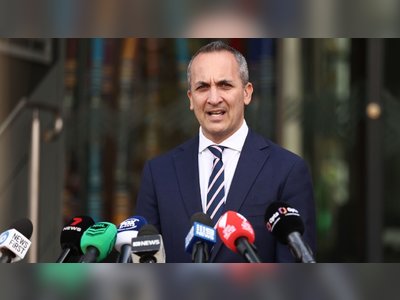
The warning came from Mike Burgess, director-general of the Australian Security Intelligence Organisation, during testimony tied to the country’s Royal Commission on Antisemitism and Social Cohesion.
Burgess said anti-Jewish hostility was left insufficiently challenged as tensions surrounding the Gaza war spilled into Australian politics, protests, online discourse, and community life.
The significance of the statement lies in who delivered it.
ASIO is Australia’s primary domestic intelligence and counter-espionage agency.
Burgess is not a political commentator or activist.
His role is to assess threats to national security and social stability.
When Australia’s top intelligence official describes antisemitism as a leading threat to life and social cohesion, the issue moves beyond public debate into the realm of national security.
Burgess argued that repeated incidents of harassment, threats, vandalism, extremist slogans, and public intimidation created conditions that lowered social resistance to political violence.
His core point was not that every act of antisemitism directly produces terrorism, but that tolerated hatred can gradually widen the space in which violence becomes easier to justify.
That assessment reflects a broader shift inside Western intelligence agencies since the Gaza war began in October two thousand twenty-three.
Security services across several democracies have increasingly warned that polarizing conflicts overseas are accelerating domestic radicalization, especially online.
In Australia, authorities say the volume and intensity of antisemitic incidents rose sharply after the war began.
The Australian government has already elevated the national terrorism threat level to “probable,” meaning authorities believe there is a greater than fifty percent chance of an attack or violent extremist incident.
Burgess confirmed that ASIO redirected resources back toward counterterrorism after previously shifting focus toward foreign interference and espionage.
The issue gained additional urgency after the deadly Bondi Beach terrorist attack in December two thousand twenty-five, when gunmen targeted a Hanukkah gathering in Sydney.
Fifteen people died, making it one of the deadliest attacks in modern Australian history.
Authorities allege the attackers were inspired by Islamic State ideology.
Evidence presented to the royal commission showed that security agencies had no specific intelligence warning of the plot, but the broader climate of escalating extremism had already become a major concern.
The attack transformed the national conversation.
What had previously been treated by parts of the political system as a dispute over speech, protest boundaries, or public order became tied directly to questions of terrorism prevention, intelligence priorities, firearms access, and social fragmentation.
Burgess also addressed criticism that Australian authorities underestimated the speed at which antisemitic rhetoric was escalating after October seventh.
He acknowledged that public hostility toward Jewish Australians increasingly blurred the distinction between criticism of the Israeli government and intimidation directed at Jewish communities inside Australia.
That distinction has become one of the most politically sensitive aspects of the debate.
Pro-Palestinian activists and civil liberties groups have repeatedly argued that governments must protect legitimate political protest and criticism of Israeli military actions.
Jewish organizations, meanwhile, have argued that anti-Israel activism in some cases crossed into open antisemitism, threats, glorification of terrorism, or collective blame directed at Australian Jews.
Australian authorities now appear to be treating the issue through a dual framework: protecting lawful political expression while aggressively targeting threats, extremist incitement, organized intimidation, and ideologically motivated violence.
The intelligence concern extends beyond physical attacks.
Burgess and other officials have warned that social normalization matters because extremist ecosystems often grow incrementally rather than through sudden ideological conversion.
Repeated exposure to dehumanizing rhetoric, conspiracy theories, and tolerated harassment can reduce the psychological barriers against violence.
Security officials are also increasingly focused on lone-actor radicalization.
Modern extremist violence often emerges from individuals consuming fragmented ideological content online rather than operating inside structured terrorist organizations.
That makes prevention harder because suspects may avoid direct contact with known extremist networks while still becoming operationally dangerous.
The political consequences are already reshaping Australian policy.
Governments at both state and federal levels have expanded hate-crime enforcement, increased security support for Jewish institutions, and launched new investigations into extremist financing and coordination.
Authorities have also intensified scrutiny of online platforms and encrypted communication channels used to spread violent propaganda.
At the same time, the debate has exposed deep tensions inside Australian society over immigration, multiculturalism, free speech, policing, and the handling of Middle East politics.
Universities, unions, religious organizations, and political parties have all faced internal disputes over where criticism of Israel ends and antisemitism begins.
For intelligence agencies, however, the central issue is operational rather than ideological.
ASIO’s position is that unchecked extremist hostility can gradually erode social restraints against violence.
Burgess’s testimony effectively framed antisemitism not only as a prejudice problem, but as a measurable security risk capable of destabilizing public safety and national cohesion.
The royal commission is expected to produce further recommendations on policing, intelligence coordination, hate-crime enforcement, online radicalization, and security protection for vulnerable communities, with the Australian government already under pressure to convert those findings into permanent policy changes.
The warning came from Mike Burgess, director-general of the Australian Security Intelligence Organisation, during testimony tied to the country’s Royal Commission on Antisemitism and Social Cohesion.
Burgess said anti-Jewish hostility was left insufficiently challenged as tensions surrounding the Gaza war spilled into Australian politics, protests, online discourse, and community life.
The significance of the statement lies in who delivered it.
ASIO is Australia’s primary domestic intelligence and counter-espionage agency.
Burgess is not a political commentator or activist.
His role is to assess threats to national security and social stability.
When Australia’s top intelligence official describes antisemitism as a leading threat to life and social cohesion, the issue moves beyond public debate into the realm of national security.
Burgess argued that repeated incidents of harassment, threats, vandalism, extremist slogans, and public intimidation created conditions that lowered social resistance to political violence.
His core point was not that every act of antisemitism directly produces terrorism, but that tolerated hatred can gradually widen the space in which violence becomes easier to justify.
That assessment reflects a broader shift inside Western intelligence agencies since the Gaza war began in October two thousand twenty-three.
Security services across several democracies have increasingly warned that polarizing conflicts overseas are accelerating domestic radicalization, especially online.
In Australia, authorities say the volume and intensity of antisemitic incidents rose sharply after the war began.
The Australian government has already elevated the national terrorism threat level to “probable,” meaning authorities believe there is a greater than fifty percent chance of an attack or violent extremist incident.
Burgess confirmed that ASIO redirected resources back toward counterterrorism after previously shifting focus toward foreign interference and espionage.
The issue gained additional urgency after the deadly Bondi Beach terrorist attack in December two thousand twenty-five, when gunmen targeted a Hanukkah gathering in Sydney.
Fifteen people died, making it one of the deadliest attacks in modern Australian history.
Authorities allege the attackers were inspired by Islamic State ideology.
Evidence presented to the royal commission showed that security agencies had no specific intelligence warning of the plot, but the broader climate of escalating extremism had already become a major concern.
The attack transformed the national conversation.
What had previously been treated by parts of the political system as a dispute over speech, protest boundaries, or public order became tied directly to questions of terrorism prevention, intelligence priorities, firearms access, and social fragmentation.
Burgess also addressed criticism that Australian authorities underestimated the speed at which antisemitic rhetoric was escalating after October seventh.
He acknowledged that public hostility toward Jewish Australians increasingly blurred the distinction between criticism of the Israeli government and intimidation directed at Jewish communities inside Australia.
That distinction has become one of the most politically sensitive aspects of the debate.
Pro-Palestinian activists and civil liberties groups have repeatedly argued that governments must protect legitimate political protest and criticism of Israeli military actions.
Jewish organizations, meanwhile, have argued that anti-Israel activism in some cases crossed into open antisemitism, threats, glorification of terrorism, or collective blame directed at Australian Jews.
Australian authorities now appear to be treating the issue through a dual framework: protecting lawful political expression while aggressively targeting threats, extremist incitement, organized intimidation, and ideologically motivated violence.
The intelligence concern extends beyond physical attacks.
Burgess and other officials have warned that social normalization matters because extremist ecosystems often grow incrementally rather than through sudden ideological conversion.
Repeated exposure to dehumanizing rhetoric, conspiracy theories, and tolerated harassment can reduce the psychological barriers against violence.
Security officials are also increasingly focused on lone-actor radicalization.
Modern extremist violence often emerges from individuals consuming fragmented ideological content online rather than operating inside structured terrorist organizations.
That makes prevention harder because suspects may avoid direct contact with known extremist networks while still becoming operationally dangerous.
The political consequences are already reshaping Australian policy.
Governments at both state and federal levels have expanded hate-crime enforcement, increased security support for Jewish institutions, and launched new investigations into extremist financing and coordination.
Authorities have also intensified scrutiny of online platforms and encrypted communication channels used to spread violent propaganda.
At the same time, the debate has exposed deep tensions inside Australian society over immigration, multiculturalism, free speech, policing, and the handling of Middle East politics.
Universities, unions, religious organizations, and political parties have all faced internal disputes over where criticism of Israel ends and antisemitism begins.
For intelligence agencies, however, the central issue is operational rather than ideological.
ASIO’s position is that unchecked extremist hostility can gradually erode social restraints against violence.
Burgess’s testimony effectively framed antisemitism not only as a prejudice problem, but as a measurable security risk capable of destabilizing public safety and national cohesion.
The royal commission is expected to produce further recommendations on policing, intelligence coordination, hate-crime enforcement, online radicalization, and security protection for vulnerable communities, with the Australian government already under pressure to convert those findings into permanent policy changes.
AI Disclaimer: An advanced artificial intelligence (AI) system generated the content of this page on its own. This innovative technology conducts extensive research from a variety of reliable sources, performs rigorous fact-checking and verification, cleans up and balances biased or manipulated content, and presents a minimal factual summary that is just enough yet essential for you to function as an informed and educated citizen. Please keep in mind, however, that this system is an evolving technology, and as a result, the article may contain accidental inaccuracies or errors. We urge you to help us improve our site by reporting any inaccuracies you find using the "Contact Us" link at the bottom of this page. Your helpful feedback helps us improve our system and deliver more precise content. When you find an article of interest here, please look for the full and extensive coverage of this topic in traditional news sources, as they are written by professional journalists that we try to support, not replace. We appreciate your understanding and assistance.