Australia Sits on Vast Gold Wealth but Has Become One of the World’s Toughest Mining Jurisdictions
Surging global demand for gold is colliding with rising costs, regulatory delays, labour shortages, and environmental battles in Australia, creating growing tension between resource wealth and the realities of extracting it.
The global gold boom is fundamentally system-driven because the forces shaping the industry are not tied to a single mine or company but to worldwide financial uncertainty, rising geopolitical risk, and increasingly difficult economics of resource extraction.
Gold prices have surged to historic highs as investors, central banks, and institutions seek protection against inflation, geopolitical instability, sovereign debt concerns, and global market volatility.
Yet despite Australia being one of the world’s largest gold producers and possessing enormous mineral reserves, mining companies increasingly describe the country as one of the most difficult and expensive places on earth to develop new gold projects.
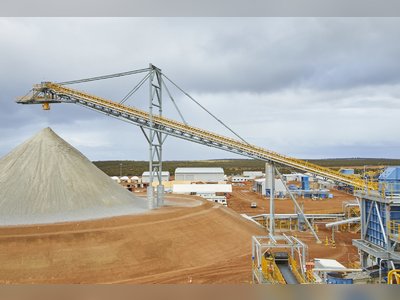
What is confirmed is that Australia remains a dominant force in global gold production, with major operations across Western Australia and other mining regions continuing to generate billions of dollars in export revenue.
But the industry is confronting rising operational pressure at nearly every stage of development, from exploration and permitting to construction, labour recruitment, financing, and environmental compliance.
The key issue is not a shortage of gold deposits.
It is the growing complexity and cost of turning deposits into commercially viable mines.
Australia’s mining industry developed its global reputation on political stability, strong property rights, sophisticated infrastructure, and rich geological reserves.
Those advantages still exist.
But miners increasingly argue that project approval timelines, overlapping regulatory systems, and escalating compliance requirements are slowing development while raising investment risk.
Environmental scrutiny has intensified significantly over the past decade.
Large-scale mining projects now face extensive assessments involving land use, water management, biodiversity impact, Indigenous heritage protection, rehabilitation obligations, and emissions considerations.
Companies say the process has become increasingly uncertain and legally vulnerable, particularly for projects facing activist opposition or judicial review.
Supporters of tighter regulation argue the industry is confronting standards that reflect modern environmental and social expectations rather than unfair obstruction.
Australia has experienced growing public sensitivity around land degradation, water systems, tailings management, and Indigenous cultural heritage after several high-profile controversies involving major mining companies.
The destruction of ancient Indigenous heritage sites at Juukan Gorge by Rio Tinto in two thousand twenty fundamentally reshaped the political climate surrounding mining approvals.
The backlash accelerated demands for stronger cultural protections and deeper consultation obligations with Indigenous communities.
Labour shortages have become another major constraint.
Australia’s mining sector is competing aggressively for engineers, geologists, heavy-equipment operators, and technical specialists.
Wage costs have risen sharply, especially in remote mining regions where companies already face expensive logistics and workforce retention challenges.
Inflation has intensified the pressure.
The cost of diesel fuel, explosives, steel, machinery, transport, and construction materials increased substantially during recent years, squeezing margins even as gold prices climbed.
Higher interest rates also raised financing costs for exploration firms and mid-tier developers.
The paradox is striking.
Gold prices near record levels would historically trigger rapid mine expansion and exploration activity.
Instead, many Australian miners are warning that economics remain difficult because operating costs have risen so sharply.
Another structural problem is ore quality.
Many easily accessible, high-grade deposits have already been exploited after decades of intensive mining.
New projects increasingly involve lower-grade ore bodies, deeper extraction, more complex processing, or remote locations requiring significant infrastructure investment.
Energy costs are also becoming increasingly important.
Mining is energy-intensive, and operations in remote regions often rely heavily on diesel generation or isolated power systems.
At the same time, investors and governments are pressuring mining companies to reduce emissions and adopt cleaner energy sources, which requires additional capital expenditure.
The global gold rush itself is being driven by broader instability in the international economy.
Central banks have sharply increased gold purchases in recent years as governments seek diversification away from reliance on the United States dollar and prepare for geopolitical fragmentation.
Wars, sanctions regimes, trade tensions, and uncertainty surrounding global debt levels have reinforced gold’s traditional role as a perceived safe-haven asset.
Retail investors and institutional funds have also increased exposure to gold during periods of financial instability.
Australia should theoretically be one of the biggest beneficiaries of that environment.
The country possesses vast mineral resources, established export systems, and deep mining expertise.
But miners increasingly argue that Australia is becoming less internationally competitive relative to jurisdictions offering faster approvals or lower operating costs.
That concern is particularly relevant because mining capital is highly mobile.
Exploration firms and multinational producers can redirect investment toward Africa, Latin America, North America, or parts of Asia if expected returns deteriorate in Australia.
Governments face a difficult balancing act.
Mining remains central to Australia’s export economy, tax base, employment market, and regional development.
At the same time, public expectations around environmental management and Indigenous rights have shifted substantially.
The industry also faces growing political pressure over resource nationalism and public benefit.
High commodity prices often trigger demands for higher royalties, stronger domestic processing requirements, or larger fiscal returns from natural resource extraction.
For investors, the practical consequence is a widening gap between gold prices and project execution risk.
High prices alone no longer guarantee rapid mine development.
Regulatory complexity, cost inflation, social license pressures, and operational uncertainty now play equally important roles in determining whether projects proceed.
Australia’s gold sector therefore sits at the intersection of two global realities: rising demand for strategic commodities and rising resistance to large-scale industrial extraction.
The country still possesses enormous geological advantages, but mining companies increasingly believe the challenge is no longer finding gold.
The harder task is securing approval, financing, labour, infrastructure, and political stability long enough to extract it profitably in one of the world’s most heavily scrutinized mining environments.
Gold prices have surged to historic highs as investors, central banks, and institutions seek protection against inflation, geopolitical instability, sovereign debt concerns, and global market volatility.
Yet despite Australia being one of the world’s largest gold producers and possessing enormous mineral reserves, mining companies increasingly describe the country as one of the most difficult and expensive places on earth to develop new gold projects.
What is confirmed is that Australia remains a dominant force in global gold production, with major operations across Western Australia and other mining regions continuing to generate billions of dollars in export revenue.
But the industry is confronting rising operational pressure at nearly every stage of development, from exploration and permitting to construction, labour recruitment, financing, and environmental compliance.
The key issue is not a shortage of gold deposits.
It is the growing complexity and cost of turning deposits into commercially viable mines.
Australia’s mining industry developed its global reputation on political stability, strong property rights, sophisticated infrastructure, and rich geological reserves.
Those advantages still exist.
But miners increasingly argue that project approval timelines, overlapping regulatory systems, and escalating compliance requirements are slowing development while raising investment risk.
Environmental scrutiny has intensified significantly over the past decade.
Large-scale mining projects now face extensive assessments involving land use, water management, biodiversity impact, Indigenous heritage protection, rehabilitation obligations, and emissions considerations.
Companies say the process has become increasingly uncertain and legally vulnerable, particularly for projects facing activist opposition or judicial review.
Supporters of tighter regulation argue the industry is confronting standards that reflect modern environmental and social expectations rather than unfair obstruction.
Australia has experienced growing public sensitivity around land degradation, water systems, tailings management, and Indigenous cultural heritage after several high-profile controversies involving major mining companies.
The destruction of ancient Indigenous heritage sites at Juukan Gorge by Rio Tinto in two thousand twenty fundamentally reshaped the political climate surrounding mining approvals.
The backlash accelerated demands for stronger cultural protections and deeper consultation obligations with Indigenous communities.
Labour shortages have become another major constraint.
Australia’s mining sector is competing aggressively for engineers, geologists, heavy-equipment operators, and technical specialists.
Wage costs have risen sharply, especially in remote mining regions where companies already face expensive logistics and workforce retention challenges.
Inflation has intensified the pressure.
The cost of diesel fuel, explosives, steel, machinery, transport, and construction materials increased substantially during recent years, squeezing margins even as gold prices climbed.
Higher interest rates also raised financing costs for exploration firms and mid-tier developers.
The paradox is striking.
Gold prices near record levels would historically trigger rapid mine expansion and exploration activity.
Instead, many Australian miners are warning that economics remain difficult because operating costs have risen so sharply.
Another structural problem is ore quality.
Many easily accessible, high-grade deposits have already been exploited after decades of intensive mining.
New projects increasingly involve lower-grade ore bodies, deeper extraction, more complex processing, or remote locations requiring significant infrastructure investment.
Energy costs are also becoming increasingly important.
Mining is energy-intensive, and operations in remote regions often rely heavily on diesel generation or isolated power systems.
At the same time, investors and governments are pressuring mining companies to reduce emissions and adopt cleaner energy sources, which requires additional capital expenditure.
The global gold rush itself is being driven by broader instability in the international economy.
Central banks have sharply increased gold purchases in recent years as governments seek diversification away from reliance on the United States dollar and prepare for geopolitical fragmentation.
Wars, sanctions regimes, trade tensions, and uncertainty surrounding global debt levels have reinforced gold’s traditional role as a perceived safe-haven asset.
Retail investors and institutional funds have also increased exposure to gold during periods of financial instability.
Australia should theoretically be one of the biggest beneficiaries of that environment.
The country possesses vast mineral resources, established export systems, and deep mining expertise.
But miners increasingly argue that Australia is becoming less internationally competitive relative to jurisdictions offering faster approvals or lower operating costs.
That concern is particularly relevant because mining capital is highly mobile.
Exploration firms and multinational producers can redirect investment toward Africa, Latin America, North America, or parts of Asia if expected returns deteriorate in Australia.
Governments face a difficult balancing act.
Mining remains central to Australia’s export economy, tax base, employment market, and regional development.
At the same time, public expectations around environmental management and Indigenous rights have shifted substantially.
The industry also faces growing political pressure over resource nationalism and public benefit.
High commodity prices often trigger demands for higher royalties, stronger domestic processing requirements, or larger fiscal returns from natural resource extraction.
For investors, the practical consequence is a widening gap between gold prices and project execution risk.
High prices alone no longer guarantee rapid mine development.
Regulatory complexity, cost inflation, social license pressures, and operational uncertainty now play equally important roles in determining whether projects proceed.
Australia’s gold sector therefore sits at the intersection of two global realities: rising demand for strategic commodities and rising resistance to large-scale industrial extraction.
The country still possesses enormous geological advantages, but mining companies increasingly believe the challenge is no longer finding gold.
The harder task is securing approval, financing, labour, infrastructure, and political stability long enough to extract it profitably in one of the world’s most heavily scrutinized mining environments.
AI Disclaimer: An advanced artificial intelligence (AI) system generated the content of this page on its own. This innovative technology conducts extensive research from a variety of reliable sources, performs rigorous fact-checking and verification, cleans up and balances biased or manipulated content, and presents a minimal factual summary that is just enough yet essential for you to function as an informed and educated citizen. Please keep in mind, however, that this system is an evolving technology, and as a result, the article may contain accidental inaccuracies or errors. We urge you to help us improve our site by reporting any inaccuracies you find using the "Contact Us" link at the bottom of this page. Your helpful feedback helps us improve our system and deliver more precise content. When you find an article of interest here, please look for the full and extensive coverage of this topic in traditional news sources, as they are written by professional journalists that we try to support, not replace. We appreciate your understanding and assistance.