Australia’s Draft LNG Export Policy Sparks Clash Between Government and Gas Industry
Canberra’s proposed changes to domestic gas controls have triggered fierce resistance from exporters who warn the measures could reshape investment decisions, supply economics, and Australia’s role in global energy markets.
Australia’s proposed overhaul of liquefied natural gas policy is fundamentally actor-driven because the conflict is being shaped directly by the federal government’s attempt to assert stronger control over domestic gas supply and pricing while major energy companies push back against deeper intervention.
The Albanese government’s draft policy framework for the gas sector has triggered intense opposition from exporters and industry groups that argue the proposed measures could undermine investment confidence in one of Australia’s most important export industries.
The dispute reflects a widening struggle over whether Australia’s gas reserves should primarily serve international export markets or domestic economic stability.
What is confirmed is that the government has been advancing reforms designed to strengthen domestic gas supply obligations and improve Canberra’s ability to intervene during projected shortages.
The policy discussion follows repeated warnings from energy market authorities that eastern Australia could face structural gas supply gaps later this decade despite the country remaining one of the world’s largest liquefied natural gas exporters.
The key issue is not whether Australia has enough gas in aggregate.
It is how that gas is allocated, priced, and contracted.
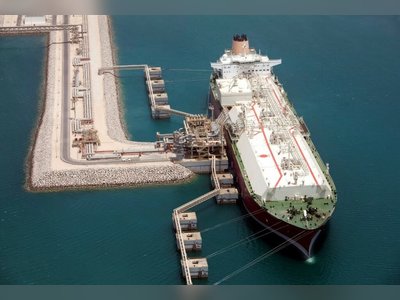
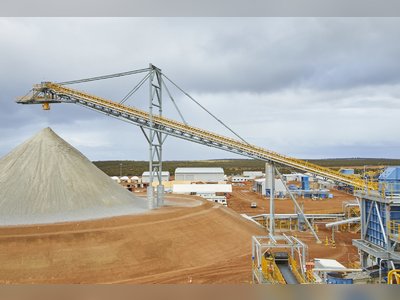
Large volumes from Queensland’s liquefied natural gas export facilities are tied into long-term export agreements connected to Asian buyers, while domestic users remain exposed to volatile prices and tightening supply conditions.
The government argues stronger safeguards are necessary because Australian households and manufacturers should not face chronic affordability pressure in a country with vast natural gas resources.
Ministers have increasingly framed energy security as a national economic issue rather than simply a commercial market outcome.
Industry groups see the situation very differently.
Exporters argue Australia’s gas sector already operates under heavy regulatory scrutiny and that additional intervention risks discouraging future investment precisely when new supply development is needed.
Companies warn that unstable policy settings could weaken Australia’s international competitiveness against rival exporters such as the United States and Qatar.
The draft framework reportedly expands the government’s ability to require additional domestic supply commitments from producers and strengthen enforcement mechanisms tied to shortages.
Exporters fear this effectively creates greater sovereign risk by allowing governments to alter commercial expectations after billions of dollars have already been invested into long-term projects.
The tension is particularly acute in eastern Australia because the domestic market is more exposed to international liquefied natural gas pricing dynamics than Western Australia, which already operates a formal domestic reservation system requiring a portion of gas production to remain within the local market.
Calls for a tougher national reservation approach have intensified since the global energy shock triggered by Russia’s invasion of Ukraine.
International gas prices surged during the crisis, generating enormous revenues for exporters while domestic electricity and gas costs rose sharply for Australian consumers and industrial users.
That period reshaped the political environment.
Energy affordability became a major cost-of-living issue and governments faced increasing public pressure to intervene more aggressively against sectors perceived to be profiting from global disruptions.
Manufacturers have been among the strongest advocates for stricter domestic supply protections.
Energy-intensive industries argue that persistently high gas prices threaten industrial competitiveness, investment planning, and employment.
Some companies warn that unreliable long-term energy pricing could accelerate industrial decline in sectors dependent on affordable gas.
The gas industry counters that excessive intervention could ultimately worsen shortages by reducing incentives to develop new fields.
Large liquefied natural gas projects require enormous upfront capital expenditure and operate on investment timelines measured in decades.
Exporters argue policy uncertainty raises financing risk and may delay or cancel future developments.
The dispute also reflects broader strategic uncertainty about the future role of gas in Australia’s economy.
The federal government continues supporting long-term decarbonization goals and renewable energy expansion while simultaneously acknowledging that gas remains essential for electricity reliability, industrial activity, and export earnings.
That dual-track approach has created friction across the energy system.
Environmental groups criticize continued support for expanded gas production, while industry groups warn that political hostility toward fossil fuels is already constraining supply investment.
The draft policy debate also intersects with fiscal tensions surrounding the gas sector.
Canberra has faced ongoing criticism that Australians receive insufficient public revenue from the country’s liquefied natural gas exports relative to the scale of corporate profits and resource extraction.
Earlier reforms to petroleum taxation and growing discussion of possible windfall profit measures have increased industry concern about cumulative intervention.
Financial markets are closely monitoring the policy process because Australia occupies a central position in Asian energy supply chains.
Long-term liquefied natural gas contracts with Japan, South Korea, China, and other regional buyers are critical to the economics of Australian export infrastructure.
The government’s challenge is politically difficult.
Canberra is attempting to lower domestic energy pressure without triggering investment retreat, supply contraction, or diplomatic friction with trading partners dependent on Australian gas exports.
For the industry, the concern extends beyond the specific wording of the draft policy.
Executives increasingly fear Australia is moving toward a more interventionist energy model in which governments reserve broader powers to reshape commercial outcomes during periods of economic or political stress.
The confrontation over the draft liquefied natural gas policy therefore represents more than a technical regulatory dispute.
It is part of a larger global argument over how resource-rich economies balance export profits, domestic affordability, industrial security, and political pressure during an era of volatile energy markets and economic transition.
The practical consequence is already visible: Australia’s gas sector is entering a period of prolonged regulatory confrontation in which future investment decisions, domestic energy costs, and the structure of the country’s export economy will increasingly be shaped by political intervention rather than purely market dynamics.
The Albanese government’s draft policy framework for the gas sector has triggered intense opposition from exporters and industry groups that argue the proposed measures could undermine investment confidence in one of Australia’s most important export industries.
The dispute reflects a widening struggle over whether Australia’s gas reserves should primarily serve international export markets or domestic economic stability.
What is confirmed is that the government has been advancing reforms designed to strengthen domestic gas supply obligations and improve Canberra’s ability to intervene during projected shortages.
The policy discussion follows repeated warnings from energy market authorities that eastern Australia could face structural gas supply gaps later this decade despite the country remaining one of the world’s largest liquefied natural gas exporters.
The key issue is not whether Australia has enough gas in aggregate.
It is how that gas is allocated, priced, and contracted.
Large volumes from Queensland’s liquefied natural gas export facilities are tied into long-term export agreements connected to Asian buyers, while domestic users remain exposed to volatile prices and tightening supply conditions.
The government argues stronger safeguards are necessary because Australian households and manufacturers should not face chronic affordability pressure in a country with vast natural gas resources.
Ministers have increasingly framed energy security as a national economic issue rather than simply a commercial market outcome.
Industry groups see the situation very differently.
Exporters argue Australia’s gas sector already operates under heavy regulatory scrutiny and that additional intervention risks discouraging future investment precisely when new supply development is needed.
Companies warn that unstable policy settings could weaken Australia’s international competitiveness against rival exporters such as the United States and Qatar.
The draft framework reportedly expands the government’s ability to require additional domestic supply commitments from producers and strengthen enforcement mechanisms tied to shortages.
Exporters fear this effectively creates greater sovereign risk by allowing governments to alter commercial expectations after billions of dollars have already been invested into long-term projects.
The tension is particularly acute in eastern Australia because the domestic market is more exposed to international liquefied natural gas pricing dynamics than Western Australia, which already operates a formal domestic reservation system requiring a portion of gas production to remain within the local market.
Calls for a tougher national reservation approach have intensified since the global energy shock triggered by Russia’s invasion of Ukraine.
International gas prices surged during the crisis, generating enormous revenues for exporters while domestic electricity and gas costs rose sharply for Australian consumers and industrial users.
That period reshaped the political environment.
Energy affordability became a major cost-of-living issue and governments faced increasing public pressure to intervene more aggressively against sectors perceived to be profiting from global disruptions.
Manufacturers have been among the strongest advocates for stricter domestic supply protections.
Energy-intensive industries argue that persistently high gas prices threaten industrial competitiveness, investment planning, and employment.
Some companies warn that unreliable long-term energy pricing could accelerate industrial decline in sectors dependent on affordable gas.
The gas industry counters that excessive intervention could ultimately worsen shortages by reducing incentives to develop new fields.
Large liquefied natural gas projects require enormous upfront capital expenditure and operate on investment timelines measured in decades.
Exporters argue policy uncertainty raises financing risk and may delay or cancel future developments.
The dispute also reflects broader strategic uncertainty about the future role of gas in Australia’s economy.
The federal government continues supporting long-term decarbonization goals and renewable energy expansion while simultaneously acknowledging that gas remains essential for electricity reliability, industrial activity, and export earnings.
That dual-track approach has created friction across the energy system.
Environmental groups criticize continued support for expanded gas production, while industry groups warn that political hostility toward fossil fuels is already constraining supply investment.
The draft policy debate also intersects with fiscal tensions surrounding the gas sector.
Canberra has faced ongoing criticism that Australians receive insufficient public revenue from the country’s liquefied natural gas exports relative to the scale of corporate profits and resource extraction.
Earlier reforms to petroleum taxation and growing discussion of possible windfall profit measures have increased industry concern about cumulative intervention.
Financial markets are closely monitoring the policy process because Australia occupies a central position in Asian energy supply chains.
Long-term liquefied natural gas contracts with Japan, South Korea, China, and other regional buyers are critical to the economics of Australian export infrastructure.
The government’s challenge is politically difficult.
Canberra is attempting to lower domestic energy pressure without triggering investment retreat, supply contraction, or diplomatic friction with trading partners dependent on Australian gas exports.
For the industry, the concern extends beyond the specific wording of the draft policy.
Executives increasingly fear Australia is moving toward a more interventionist energy model in which governments reserve broader powers to reshape commercial outcomes during periods of economic or political stress.
The confrontation over the draft liquefied natural gas policy therefore represents more than a technical regulatory dispute.
It is part of a larger global argument over how resource-rich economies balance export profits, domestic affordability, industrial security, and political pressure during an era of volatile energy markets and economic transition.
The practical consequence is already visible: Australia’s gas sector is entering a period of prolonged regulatory confrontation in which future investment decisions, domestic energy costs, and the structure of the country’s export economy will increasingly be shaped by political intervention rather than purely market dynamics.
AI Disclaimer: An advanced artificial intelligence (AI) system generated the content of this page on its own. This innovative technology conducts extensive research from a variety of reliable sources, performs rigorous fact-checking and verification, cleans up and balances biased or manipulated content, and presents a minimal factual summary that is just enough yet essential for you to function as an informed and educated citizen. Please keep in mind, however, that this system is an evolving technology, and as a result, the article may contain accidental inaccuracies or errors. We urge you to help us improve our site by reporting any inaccuracies you find using the "Contact Us" link at the bottom of this page. Your helpful feedback helps us improve our system and deliver more precise content. When you find an article of interest here, please look for the full and extensive coverage of this topic in traditional news sources, as they are written by professional journalists that we try to support, not replace. We appreciate your understanding and assistance.