Australia Outlaws Neo-Nazi Network Under Expansive New Hate Group Powers
The ban on the National Socialist Network marks a major escalation in Australia’s post-Bondi crackdown on extremist organizations and tests the limits of new anti-hate legislation.
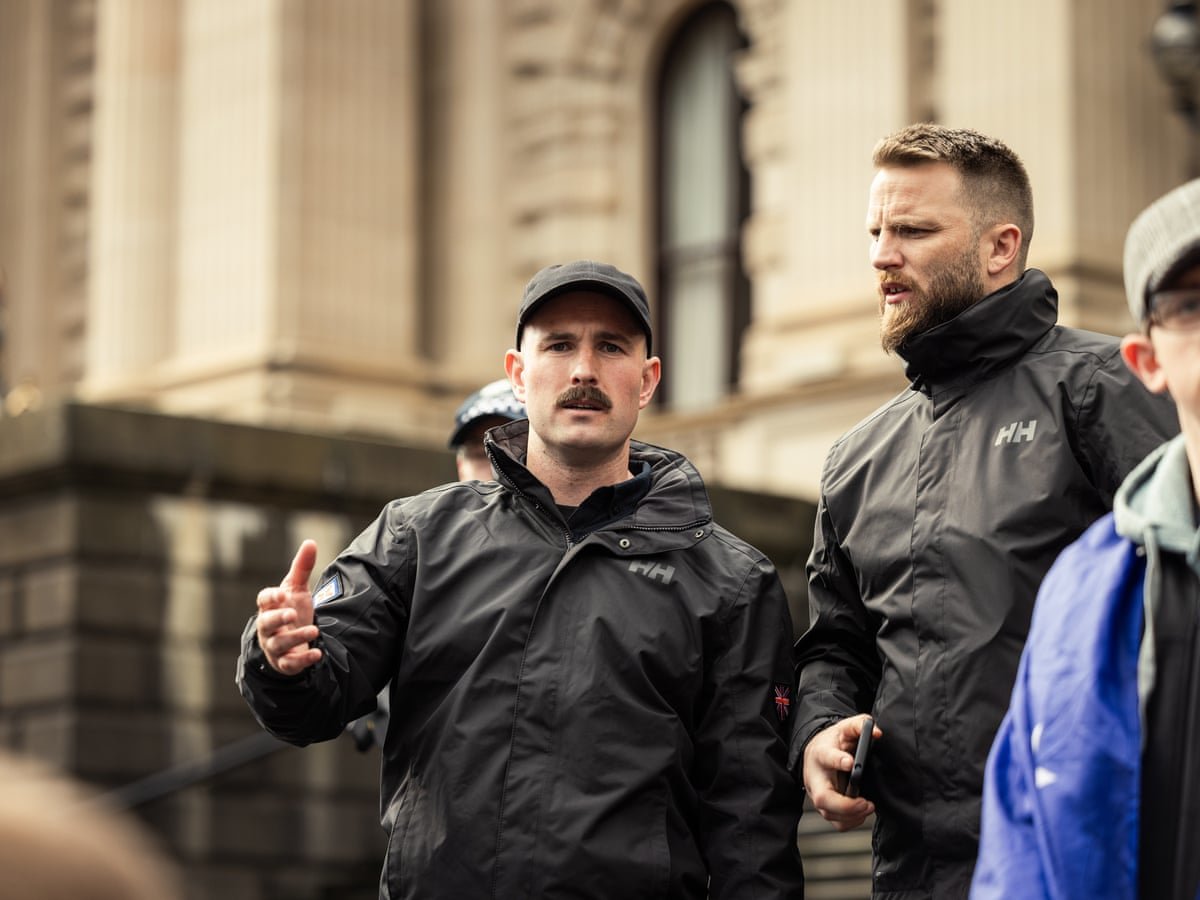
The Australian government has formally criminalised the neo-Nazi National Socialist Network under sweeping hate group laws introduced after the deadly Bondi terror attack, making membership, recruitment, financing and support for the organisation punishable by up to fifteen years in prison.
The decision is fundamentally driven by a new legal framework that dramatically expands the federal government’s ability to ban extremist organisations that fall short of terrorism designations but are judged to promote hatred, intimidation and pathways to violence.
The National Socialist Network, also known in recent months as White Australia and the European Australian Movement, became the second organisation outlawed under the laws after Islamist group Hizb ut-Tahrir was banned earlier this year.
Home Affairs Minister Tony Burke confirmed the designation takes effect immediately.
The government’s position is that the group attempted to evade the legislation by announcing its dissolution in January while continuing to reorganise under new names and structures.
Officials described the maneuver as an attempt to “phoenix” the organisation into legally separate but operationally connected entities.
What is confirmed is that the legislation now criminalises a broad range of activity tied to designated hate groups.
Australians can face severe prison terms for directing the group, recruiting members, providing funding, training participants or materially supporting operations.
The law also allows authorities to target successor organisations created to circumvent bans.
The National Socialist Network has been one of Australia’s most visible far-right extremist organisations in recent years.
The group drew national attention through anti-immigration rallies, public Nazi salutes, racial intimidation campaigns and organised propaganda efforts targeting Jewish, Muslim, Asian, Indigenous and LGBTQ communities.
Security agencies have repeatedly linked members and associates to violent incidents, threats and radicalisation networks.
Its former leader, Thomas Sewell, has faced multiple criminal allegations in recent years, including charges connected to violent confrontations.
Authorities have also scrutinised the group’s efforts to recruit young men online through encrypted channels, fitness clubs and nationalist demonstrations.
The immediate catalyst for the legislation was the December 2025 terrorist attack during a Hanukkah gathering at Bondi Beach in Sydney that killed fifteen people and injured dozens more.
The attack triggered a political shockwave across Australia and accelerated bipartisan support for stronger hate crime laws, expanded extremism powers and new gun control measures.
The Albanese government argued existing counterterrorism laws were inadequate because some extremist organisations intentionally avoided directly advocating violence while still cultivating hatred and radicalisation.
Australia’s domestic intelligence agency, ASIO, had warned that several extremist groups were operating just below the legal threshold required for terrorism designation despite posing significant social and security risks.
The new framework changes that threshold.
Under the revised law, the government can prohibit organisations that systematically promote racial supremacy, dehumanisation or extremist ideologies considered likely to contribute to violence or social destabilisation.
The legislation has broad political support.
Jewish community organisations, anti-racism advocates and several former national security officials welcomed the move, arguing Australia waited too long to directly confront organised neo-Nazi activity.
Supporters of the law say extremist groups have become increasingly sophisticated at using online platforms, coded language and loosely connected cells to spread propaganda while avoiding prosecution.
But the legislation is also controversial because it expands state power into politically sensitive territory.
Civil liberties advocates and some legal scholars warn the laws could eventually be used more broadly against fringe political movements, activist organisations or inflammatory speech that falls short of criminal violence.
Critics argue the definition of a prohibited hate group remains vulnerable to political interpretation.
The concern is not centered on the National Socialist Network itself, which has attracted little public sympathy, but on how future governments may apply the powers once the legal precedent is established.
Another unresolved issue is whether banning extremist organisations actually weakens them or simply pushes them underground.
Security experts have long debated whether public outlawing disrupts recruitment or instead helps extremist groups portray themselves as persecuted movements.
Authorities acknowledge the risk that members may splinter into smaller online communities that are harder to monitor.
The government appears aware of that challenge.
Officials have emphasized that the crackdown is not limited to symbolic designation.
Federal agencies are now monitoring successor organisations, encrypted communications channels and affiliated protest movements believed to have operational overlap with the former network.
The broader political context matters.
Australia has experienced a sharp rise in antisemitic incidents, extremist rhetoric and ideologically motivated demonstrations since the outbreak of the Israel-Gaza war and the Bondi attack.
Both Islamist and far-right extremism are now central domestic security priorities.
Canberra’s response reflects a larger shift in Western democracies toward pre-emptive intervention against extremist ecosystems rather than waiting for direct operational terrorism plots.
Australia is effectively testing a hybrid model between counterterrorism law and hate crime enforcement.
The practical consequences are immediate.
Public association with the National Socialist Network is now a serious federal offense.
Financial support networks face criminal exposure.
Online propaganda operations linked to the organisation are likely to face intensified surveillance and disruption.
The designation also sends a broader signal that Australian authorities are prepared to criminalise extremist movements before they cross into formal terrorist activity.
The ban establishes one of the most aggressive anti-extremism precedents in modern Australian law and significantly expands the federal government’s authority to police organised ideological movements in the years ahead.
The decision is fundamentally driven by a new legal framework that dramatically expands the federal government’s ability to ban extremist organisations that fall short of terrorism designations but are judged to promote hatred, intimidation and pathways to violence.
The National Socialist Network, also known in recent months as White Australia and the European Australian Movement, became the second organisation outlawed under the laws after Islamist group Hizb ut-Tahrir was banned earlier this year.
Home Affairs Minister Tony Burke confirmed the designation takes effect immediately.
The government’s position is that the group attempted to evade the legislation by announcing its dissolution in January while continuing to reorganise under new names and structures.
Officials described the maneuver as an attempt to “phoenix” the organisation into legally separate but operationally connected entities.
What is confirmed is that the legislation now criminalises a broad range of activity tied to designated hate groups.
Australians can face severe prison terms for directing the group, recruiting members, providing funding, training participants or materially supporting operations.
The law also allows authorities to target successor organisations created to circumvent bans.
The National Socialist Network has been one of Australia’s most visible far-right extremist organisations in recent years.
The group drew national attention through anti-immigration rallies, public Nazi salutes, racial intimidation campaigns and organised propaganda efforts targeting Jewish, Muslim, Asian, Indigenous and LGBTQ communities.
Security agencies have repeatedly linked members and associates to violent incidents, threats and radicalisation networks.
Its former leader, Thomas Sewell, has faced multiple criminal allegations in recent years, including charges connected to violent confrontations.
Authorities have also scrutinised the group’s efforts to recruit young men online through encrypted channels, fitness clubs and nationalist demonstrations.
The immediate catalyst for the legislation was the December 2025 terrorist attack during a Hanukkah gathering at Bondi Beach in Sydney that killed fifteen people and injured dozens more.
The attack triggered a political shockwave across Australia and accelerated bipartisan support for stronger hate crime laws, expanded extremism powers and new gun control measures.
The Albanese government argued existing counterterrorism laws were inadequate because some extremist organisations intentionally avoided directly advocating violence while still cultivating hatred and radicalisation.
Australia’s domestic intelligence agency, ASIO, had warned that several extremist groups were operating just below the legal threshold required for terrorism designation despite posing significant social and security risks.
The new framework changes that threshold.
Under the revised law, the government can prohibit organisations that systematically promote racial supremacy, dehumanisation or extremist ideologies considered likely to contribute to violence or social destabilisation.
The legislation has broad political support.
Jewish community organisations, anti-racism advocates and several former national security officials welcomed the move, arguing Australia waited too long to directly confront organised neo-Nazi activity.
Supporters of the law say extremist groups have become increasingly sophisticated at using online platforms, coded language and loosely connected cells to spread propaganda while avoiding prosecution.
But the legislation is also controversial because it expands state power into politically sensitive territory.
Civil liberties advocates and some legal scholars warn the laws could eventually be used more broadly against fringe political movements, activist organisations or inflammatory speech that falls short of criminal violence.
Critics argue the definition of a prohibited hate group remains vulnerable to political interpretation.
The concern is not centered on the National Socialist Network itself, which has attracted little public sympathy, but on how future governments may apply the powers once the legal precedent is established.
Another unresolved issue is whether banning extremist organisations actually weakens them or simply pushes them underground.
Security experts have long debated whether public outlawing disrupts recruitment or instead helps extremist groups portray themselves as persecuted movements.
Authorities acknowledge the risk that members may splinter into smaller online communities that are harder to monitor.
The government appears aware of that challenge.
Officials have emphasized that the crackdown is not limited to symbolic designation.
Federal agencies are now monitoring successor organisations, encrypted communications channels and affiliated protest movements believed to have operational overlap with the former network.
The broader political context matters.
Australia has experienced a sharp rise in antisemitic incidents, extremist rhetoric and ideologically motivated demonstrations since the outbreak of the Israel-Gaza war and the Bondi attack.
Both Islamist and far-right extremism are now central domestic security priorities.
Canberra’s response reflects a larger shift in Western democracies toward pre-emptive intervention against extremist ecosystems rather than waiting for direct operational terrorism plots.
Australia is effectively testing a hybrid model between counterterrorism law and hate crime enforcement.
The practical consequences are immediate.
Public association with the National Socialist Network is now a serious federal offense.
Financial support networks face criminal exposure.
Online propaganda operations linked to the organisation are likely to face intensified surveillance and disruption.
The designation also sends a broader signal that Australian authorities are prepared to criminalise extremist movements before they cross into formal terrorist activity.
The ban establishes one of the most aggressive anti-extremism precedents in modern Australian law and significantly expands the federal government’s authority to police organised ideological movements in the years ahead.
AI Disclaimer: An advanced artificial intelligence (AI) system generated the content of this page on its own. This innovative technology conducts extensive research from a variety of reliable sources, performs rigorous fact-checking and verification, cleans up and balances biased or manipulated content, and presents a minimal factual summary that is just enough yet essential for you to function as an informed and educated citizen. Please keep in mind, however, that this system is an evolving technology, and as a result, the article may contain accidental inaccuracies or errors. We urge you to help us improve our site by reporting any inaccuracies you find using the "Contact Us" link at the bottom of this page. Your helpful feedback helps us improve our system and deliver more precise content. When you find an article of interest here, please look for the full and extensive coverage of this topic in traditional news sources, as they are written by professional journalists that we try to support, not replace. We appreciate your understanding and assistance.