Climate Pressure Is Becoming Australia’s Next Housing Crisis
New projections warn that rising heat, disasters, insurance costs and fossil-fuel-driven climate risks could sharply worsen housing affordability and homelessness across Australia.
Australia’s housing crisis is increasingly being driven not only by interest rates, migration and supply shortages, but by climate economics.
New analysis from housing researchers, insurers and climate policy institutions shows that a fossil-fuel-intensive future is expected to push housing affordability deeper into crisis while accelerating homelessness, particularly in vulnerable regional and outer suburban communities.
The core issue is systemic rather than event-driven.
Australia’s property market is colliding with rising climate risk at a scale that threatens the basic financial assumptions behind housing ownership, rental stability and urban development.
What is confirmed is that insurance premiums, disaster recovery costs, infrastructure damage and extreme weather exposure are already reshaping the housing market.
Flood-prone suburbs, fire-risk corridors and cyclone-exposed coastal regions are recording sharply higher insurance costs, while some households are finding insurance either unaffordable or unavailable altogether.
The pressure is especially severe in lower-income communities.
Wealthier Australians can often absorb rising premiums, retrofit homes or relocate to safer areas.
Lower-income renters and mortgage holders typically cannot.
The result is a widening gap in housing security tied directly to geography and climate vulnerability.
Recent modelling from Australian climate and housing researchers projects that continued high-emissions development could substantially increase displacement pressures over the next two decades.
The mechanism is straightforward: climate disasters damage housing stock, insurance costs rise, rebuilding costs escalate, investors retreat from high-risk areas and rents climb as supply tightens.
The effect compounds an already stressed market.
Australia has some of the highest housing costs in the developed world relative to income.
Vacancy rates in major cities remain tight, social housing supply is chronically insufficient and homelessness services are already operating beyond capacity in many regions.
Extreme weather events are no longer treated as isolated shocks.
Flooding across eastern Australia in recent years destroyed or damaged tens of thousands of homes.
Bushfires, heatwaves and coastal erosion have added additional layers of financial stress.
Entire communities in parts of New South Wales and Queensland continue to struggle with long-term displacement years after major disasters.
The insurance sector has become one of the clearest indicators of systemic strain.
Premiums in high-risk regions have surged far faster than inflation, particularly in northern Australia and flood-exposed zones.
Some households now spend a substantial share of income simply maintaining basic coverage.
The consequence is a dangerous feedback loop.
As insurance becomes more expensive, banks become more cautious about lending into exposed regions.
As financing tightens, property values in vulnerable areas can weaken.
Local governments then face shrinking revenue while infrastructure repair costs rise.
Climate-driven housing stress also affects renters disproportionately.
Landlords facing higher insurance, repair and financing costs often pass expenses onto tenants through rent increases.
In low-vacancy markets, renters have little bargaining power.
Researchers increasingly warn that climate vulnerability could become a defining factor in future inequality across Australia.
Suburbs with stronger infrastructure, cooler urban design and lower disaster exposure are likely to become more expensive and socially exclusive.
Poorer households may become concentrated in higher-risk areas because those are the only locations they can afford.
The homelessness implications are severe.
Housing advocates report that natural disasters are already pushing vulnerable people into temporary accommodation, overcrowded living arrangements or outright homelessness.
Recovery systems frequently struggle to transition displaced residents into permanent housing, particularly when regional rental markets are already constrained.
Another major concern is heat.
Rising temperatures are increasing energy costs for cooling, especially in poorly insulated homes common in lower-income communities.
Households facing both rising rents and rising electricity bills are increasingly exposed to financial breakdown.
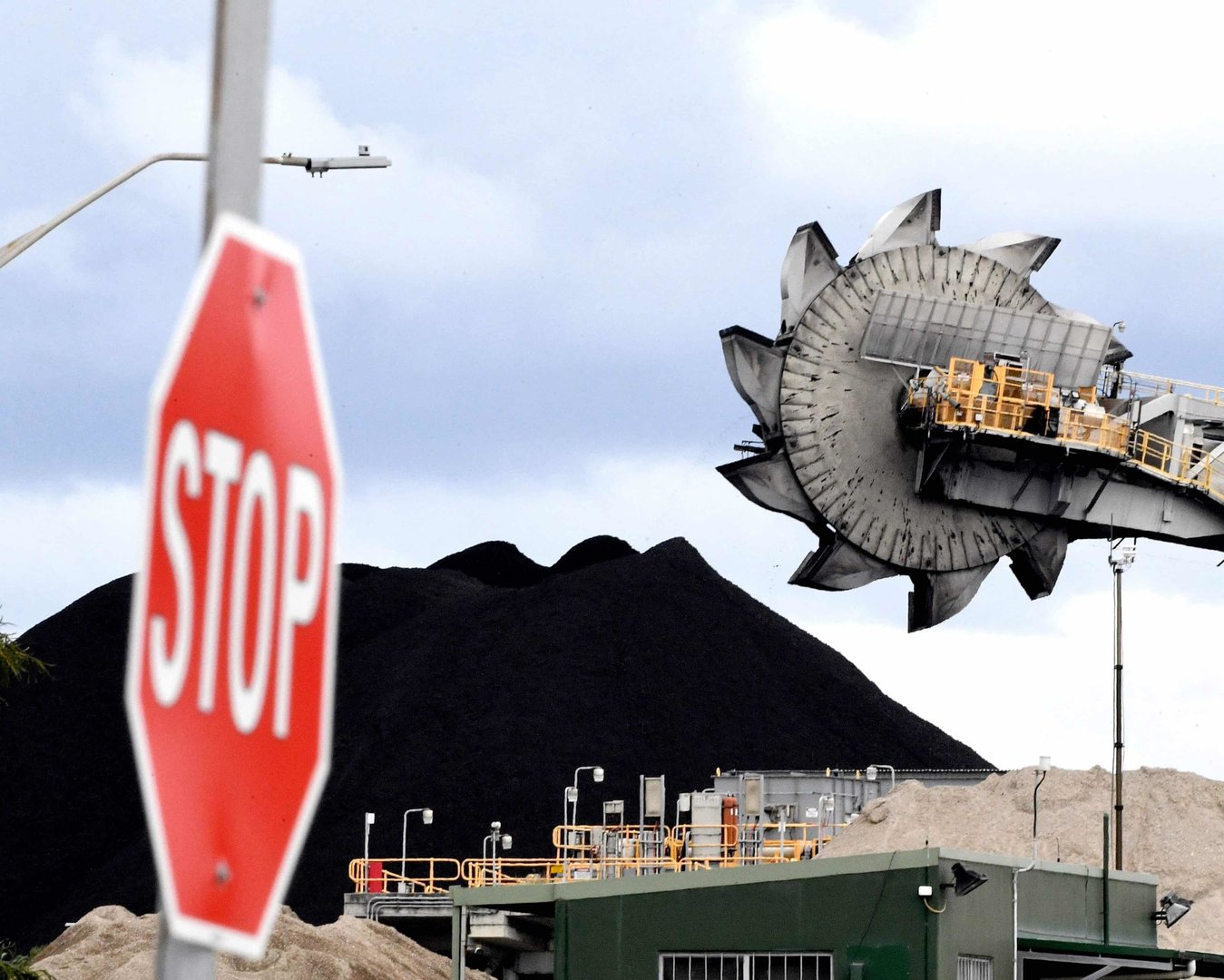
The political challenge is complicated by Australia’s dual role as both a climate-vulnerable nation and one of the world’s largest fossil fuel exporters.
Critics argue continued expansion of coal and gas production undermines long-term housing stability by intensifying climate risks that directly damage communities and property markets.
The Albanese government has committed billions of dollars toward housing construction, social housing programs and disaster resilience infrastructure.
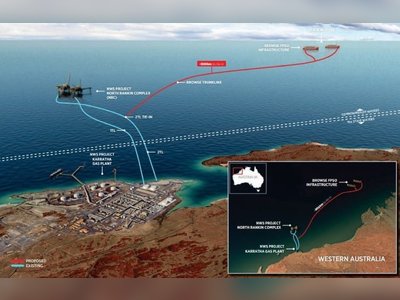
At the same time, the federal government continues to support major LNG and resource projects, arguing that economic stability and energy exports remain essential during the transition toward lower emissions.
That tension has sharpened debate within Australia’s financial sector.
Some economists and planners now argue housing policy can no longer be separated from climate policy.
They contend that future affordability depends not only on building more homes, but on where homes are built, how they are insured, whether infrastructure can withstand repeated disasters and how rapidly emissions are reduced.
The market is already adjusting.
Developers, banks and insurers are increasingly using climate risk mapping to assess long-term exposure.
Some local councils are reconsidering approvals in vulnerable zones, while investors are paying closer attention to flood histories, bushfire ratings and resilience standards.
The broader economic stakes are substantial.
Housing is Australia’s largest household asset class and a central pillar of consumer wealth.
If climate risk significantly undermines property stability, the consequences would extend far beyond individual homeowners into banking, insurance, public finance and national economic growth.
The immediate housing shortage remains driven by supply constraints and population pressures.
But the deeper structural warning emerging from climate and housing experts is that a fossil-fuel-heavy future may permanently raise the cost of safe housing across large parts of Australia.
The practical implication is increasingly difficult to avoid: climate resilience is no longer a secondary environmental issue inside Australia’s housing market.
It is becoming one of the core determinants of whether millions of Australians can afford stable shelter at all.
New analysis from housing researchers, insurers and climate policy institutions shows that a fossil-fuel-intensive future is expected to push housing affordability deeper into crisis while accelerating homelessness, particularly in vulnerable regional and outer suburban communities.
The core issue is systemic rather than event-driven.
Australia’s property market is colliding with rising climate risk at a scale that threatens the basic financial assumptions behind housing ownership, rental stability and urban development.
What is confirmed is that insurance premiums, disaster recovery costs, infrastructure damage and extreme weather exposure are already reshaping the housing market.
Flood-prone suburbs, fire-risk corridors and cyclone-exposed coastal regions are recording sharply higher insurance costs, while some households are finding insurance either unaffordable or unavailable altogether.
The pressure is especially severe in lower-income communities.
Wealthier Australians can often absorb rising premiums, retrofit homes or relocate to safer areas.
Lower-income renters and mortgage holders typically cannot.
The result is a widening gap in housing security tied directly to geography and climate vulnerability.
Recent modelling from Australian climate and housing researchers projects that continued high-emissions development could substantially increase displacement pressures over the next two decades.
The mechanism is straightforward: climate disasters damage housing stock, insurance costs rise, rebuilding costs escalate, investors retreat from high-risk areas and rents climb as supply tightens.
The effect compounds an already stressed market.
Australia has some of the highest housing costs in the developed world relative to income.
Vacancy rates in major cities remain tight, social housing supply is chronically insufficient and homelessness services are already operating beyond capacity in many regions.
Extreme weather events are no longer treated as isolated shocks.
Flooding across eastern Australia in recent years destroyed or damaged tens of thousands of homes.
Bushfires, heatwaves and coastal erosion have added additional layers of financial stress.
Entire communities in parts of New South Wales and Queensland continue to struggle with long-term displacement years after major disasters.
The insurance sector has become one of the clearest indicators of systemic strain.
Premiums in high-risk regions have surged far faster than inflation, particularly in northern Australia and flood-exposed zones.
Some households now spend a substantial share of income simply maintaining basic coverage.
The consequence is a dangerous feedback loop.
As insurance becomes more expensive, banks become more cautious about lending into exposed regions.
As financing tightens, property values in vulnerable areas can weaken.
Local governments then face shrinking revenue while infrastructure repair costs rise.
Climate-driven housing stress also affects renters disproportionately.
Landlords facing higher insurance, repair and financing costs often pass expenses onto tenants through rent increases.
In low-vacancy markets, renters have little bargaining power.
Researchers increasingly warn that climate vulnerability could become a defining factor in future inequality across Australia.
Suburbs with stronger infrastructure, cooler urban design and lower disaster exposure are likely to become more expensive and socially exclusive.
Poorer households may become concentrated in higher-risk areas because those are the only locations they can afford.
The homelessness implications are severe.
Housing advocates report that natural disasters are already pushing vulnerable people into temporary accommodation, overcrowded living arrangements or outright homelessness.
Recovery systems frequently struggle to transition displaced residents into permanent housing, particularly when regional rental markets are already constrained.
Another major concern is heat.
Rising temperatures are increasing energy costs for cooling, especially in poorly insulated homes common in lower-income communities.
Households facing both rising rents and rising electricity bills are increasingly exposed to financial breakdown.
The political challenge is complicated by Australia’s dual role as both a climate-vulnerable nation and one of the world’s largest fossil fuel exporters.
Critics argue continued expansion of coal and gas production undermines long-term housing stability by intensifying climate risks that directly damage communities and property markets.
The Albanese government has committed billions of dollars toward housing construction, social housing programs and disaster resilience infrastructure.
At the same time, the federal government continues to support major LNG and resource projects, arguing that economic stability and energy exports remain essential during the transition toward lower emissions.
That tension has sharpened debate within Australia’s financial sector.
Some economists and planners now argue housing policy can no longer be separated from climate policy.
They contend that future affordability depends not only on building more homes, but on where homes are built, how they are insured, whether infrastructure can withstand repeated disasters and how rapidly emissions are reduced.
The market is already adjusting.
Developers, banks and insurers are increasingly using climate risk mapping to assess long-term exposure.
Some local councils are reconsidering approvals in vulnerable zones, while investors are paying closer attention to flood histories, bushfire ratings and resilience standards.
The broader economic stakes are substantial.
Housing is Australia’s largest household asset class and a central pillar of consumer wealth.
If climate risk significantly undermines property stability, the consequences would extend far beyond individual homeowners into banking, insurance, public finance and national economic growth.
The immediate housing shortage remains driven by supply constraints and population pressures.
But the deeper structural warning emerging from climate and housing experts is that a fossil-fuel-heavy future may permanently raise the cost of safe housing across large parts of Australia.
The practical implication is increasingly difficult to avoid: climate resilience is no longer a secondary environmental issue inside Australia’s housing market.
It is becoming one of the core determinants of whether millions of Australians can afford stable shelter at all.
AI Disclaimer: An advanced artificial intelligence (AI) system generated the content of this page on its own. This innovative technology conducts extensive research from a variety of reliable sources, performs rigorous fact-checking and verification, cleans up and balances biased or manipulated content, and presents a minimal factual summary that is just enough yet essential for you to function as an informed and educated citizen. Please keep in mind, however, that this system is an evolving technology, and as a result, the article may contain accidental inaccuracies or errors. We urge you to help us improve our site by reporting any inaccuracies you find using the "Contact Us" link at the bottom of this page. Your helpful feedback helps us improve our system and deliver more precise content. When you find an article of interest here, please look for the full and extensive coverage of this topic in traditional news sources, as they are written by professional journalists that we try to support, not replace. We appreciate your understanding and assistance.