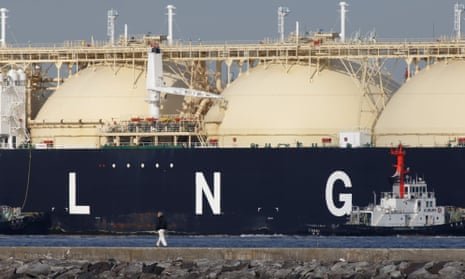
Australia Pulls Back From LNG Export Curbs After Gas Suppliers Guarantee Winter Supply
Canberra says east coast shortages have eased for now, but the political fight over domestic gas reservation and export control is intensifying.
The Australian government has decided not to impose emergency restrictions on liquefied natural gas exports after energy companies assured Canberra that the country’s east coast will have enough gas to get through the winter of 2026. The decision marks a temporary retreat from one of the most interventionist energy measures considered in Australia in years, but it also confirms how fragile the country’s domestic gas market has become.
Resources Minister Madeleine King announced that the government would not activate the Australian Domestic Gas Security Mechanism, known as the ADGSM, for the third quarter of 2026. The mechanism gives Canberra the power to force LNG exporters to redirect supply to the domestic market if shortages are expected.
The government had formally warned in April that it was considering export controls after forecasts showed a potential shortfall on the east coast during the peak winter demand period between July and September.
That alarm reflected a long-running contradiction in Australia’s energy system: the country is one of the world’s largest LNG exporters, yet manufacturers and households on the east coast have repeatedly faced high prices and periodic supply fears.
What changed is not a sudden surge in gas production.
Officials said updated information from producers, storage operators and energy regulators indicated the immediate risk had eased.
Gas storage facilities are now near full capacity, pipeline networks are considered capable of moving fuel south if required, and weather forecasts point to a warmer-than-average winter that could reduce heating demand.
The government also concluded that the Australian Energy Market Operator retains enough emergency powers to intervene if localized shortages emerge.
That assessment allowed Canberra to avoid triggering export controls that would likely have escalated tensions with major LNG producers and international buyers.
The stakes extend well beyond one winter season.
Australia’s east coast gas market has been under structural pressure for more than a decade because LNG export plants in Queensland linked domestic gas prices to international markets.
Producers can often earn more selling cargoes overseas than supplying Australian industry.
Critics argue that the export boom effectively turned domestic users into competitors for their own natural resources.
That pressure intensified after the global energy shock that followed Russia’s invasion of Ukraine in 2022. International gas prices surged, domestic Australian prices followed, and concerns grew that eastern Australia could face recurring shortages despite vast reserves.
The political backlash forced successive rounds of intervention by the Albanese government, including price caps, mandatory industry codes, and now a broader reservation regime.
The government’s larger strategy remains intact despite the decision to avoid immediate export restrictions.
Beginning in July 2027, LNG exporters on the east coast will be required to reserve 20 percent of gas production for domestic customers.
Canberra says the policy is designed to create a modest oversupply in the local market, reduce price volatility and improve long-term energy security.
That reservation policy represents a major shift in Australian energy governance.
For years, federal governments resisted broad domestic reservation schemes outside Western Australia, where exporters already supply a fixed share of production to the local market.
Western Australia has maintained significantly lower gas prices than the east coast, strengthening the argument for a national approach.
Energy companies have reacted sharply against the federal plan.
Producers including Woodside and Santos argue that heavy intervention risks damaging Australia’s reputation as a reliable exporter at a time when global LNG demand remains strong.
Industry executives also warn that sudden regulatory changes could delay investment decisions on new gas developments worth tens of billions of dollars.
The policy dispute is not only commercial.
It has become politically sensitive because gas prices directly affect electricity costs, industrial competitiveness and household living expenses.
Manufacturers have long argued that high gas prices threaten factories, fertilizer production, chemicals, food processing and energy-intensive industries across eastern Australia.
The market itself remains tight despite the latest government reassurances.
Regulators have repeatedly warned that the east coast still depends heavily on whether LNG exporters choose to divert uncontracted gas into domestic supply instead of exports.
Southern states are particularly exposed because local production is declining while demand persists.
Another pressure point is infrastructure.
Gas reserves are concentrated in Queensland, while major industrial demand sits farther south in New South Wales and Victoria.
Transport limitations, storage constraints and seasonal demand swings continue to create vulnerabilities even when headline national supply appears adequate.
The latest decision also matters internationally.
Australia is one of the world’s top LNG suppliers to Asian buyers including Japan and South Korea.
Any export restrictions from Canberra would have tightened already sensitive global LNG markets and raised concerns among trading partners about supply reliability.
For now, the Albanese government has chosen stability over confrontation.
Exporters avoided immediate controls by committing additional domestic supply, while Canberra avoided disrupting global LNG trade during a volatile period for international energy markets.
But the underlying conflict remains unresolved.
Australia is simultaneously trying to remain a dominant LNG exporter, shield domestic consumers from global price shocks, attract investment into new gas projects, and transition toward cleaner energy systems.
Those goals increasingly collide.
The immediate crisis may have eased, but the government’s new reservation framework guarantees that Australia’s gas market will remain one of the country’s most contested economic and political battlegrounds through 2027 and beyond.
Resources Minister Madeleine King announced that the government would not activate the Australian Domestic Gas Security Mechanism, known as the ADGSM, for the third quarter of 2026. The mechanism gives Canberra the power to force LNG exporters to redirect supply to the domestic market if shortages are expected.
The government had formally warned in April that it was considering export controls after forecasts showed a potential shortfall on the east coast during the peak winter demand period between July and September.
That alarm reflected a long-running contradiction in Australia’s energy system: the country is one of the world’s largest LNG exporters, yet manufacturers and households on the east coast have repeatedly faced high prices and periodic supply fears.
What changed is not a sudden surge in gas production.
Officials said updated information from producers, storage operators and energy regulators indicated the immediate risk had eased.
Gas storage facilities are now near full capacity, pipeline networks are considered capable of moving fuel south if required, and weather forecasts point to a warmer-than-average winter that could reduce heating demand.
The government also concluded that the Australian Energy Market Operator retains enough emergency powers to intervene if localized shortages emerge.
That assessment allowed Canberra to avoid triggering export controls that would likely have escalated tensions with major LNG producers and international buyers.
The stakes extend well beyond one winter season.
Australia’s east coast gas market has been under structural pressure for more than a decade because LNG export plants in Queensland linked domestic gas prices to international markets.
Producers can often earn more selling cargoes overseas than supplying Australian industry.
Critics argue that the export boom effectively turned domestic users into competitors for their own natural resources.
That pressure intensified after the global energy shock that followed Russia’s invasion of Ukraine in 2022. International gas prices surged, domestic Australian prices followed, and concerns grew that eastern Australia could face recurring shortages despite vast reserves.
The political backlash forced successive rounds of intervention by the Albanese government, including price caps, mandatory industry codes, and now a broader reservation regime.
The government’s larger strategy remains intact despite the decision to avoid immediate export restrictions.
Beginning in July 2027, LNG exporters on the east coast will be required to reserve 20 percent of gas production for domestic customers.
Canberra says the policy is designed to create a modest oversupply in the local market, reduce price volatility and improve long-term energy security.
That reservation policy represents a major shift in Australian energy governance.
For years, federal governments resisted broad domestic reservation schemes outside Western Australia, where exporters already supply a fixed share of production to the local market.
Western Australia has maintained significantly lower gas prices than the east coast, strengthening the argument for a national approach.
Energy companies have reacted sharply against the federal plan.
Producers including Woodside and Santos argue that heavy intervention risks damaging Australia’s reputation as a reliable exporter at a time when global LNG demand remains strong.
Industry executives also warn that sudden regulatory changes could delay investment decisions on new gas developments worth tens of billions of dollars.
The policy dispute is not only commercial.
It has become politically sensitive because gas prices directly affect electricity costs, industrial competitiveness and household living expenses.
Manufacturers have long argued that high gas prices threaten factories, fertilizer production, chemicals, food processing and energy-intensive industries across eastern Australia.
The market itself remains tight despite the latest government reassurances.
Regulators have repeatedly warned that the east coast still depends heavily on whether LNG exporters choose to divert uncontracted gas into domestic supply instead of exports.
Southern states are particularly exposed because local production is declining while demand persists.
Another pressure point is infrastructure.
Gas reserves are concentrated in Queensland, while major industrial demand sits farther south in New South Wales and Victoria.
Transport limitations, storage constraints and seasonal demand swings continue to create vulnerabilities even when headline national supply appears adequate.
The latest decision also matters internationally.
Australia is one of the world’s top LNG suppliers to Asian buyers including Japan and South Korea.
Any export restrictions from Canberra would have tightened already sensitive global LNG markets and raised concerns among trading partners about supply reliability.
For now, the Albanese government has chosen stability over confrontation.
Exporters avoided immediate controls by committing additional domestic supply, while Canberra avoided disrupting global LNG trade during a volatile period for international energy markets.
But the underlying conflict remains unresolved.
Australia is simultaneously trying to remain a dominant LNG exporter, shield domestic consumers from global price shocks, attract investment into new gas projects, and transition toward cleaner energy systems.
Those goals increasingly collide.
The immediate crisis may have eased, but the government’s new reservation framework guarantees that Australia’s gas market will remain one of the country’s most contested economic and political battlegrounds through 2027 and beyond.
AI Disclaimer: An advanced artificial intelligence (AI) system generated the content of this page on its own. This innovative technology conducts extensive research from a variety of reliable sources, performs rigorous fact-checking and verification, cleans up and balances biased or manipulated content, and presents a minimal factual summary that is just enough yet essential for you to function as an informed and educated citizen. Please keep in mind, however, that this system is an evolving technology, and as a result, the article may contain accidental inaccuracies or errors. We urge you to help us improve our site by reporting any inaccuracies you find using the "Contact Us" link at the bottom of this page. Your helpful feedback helps us improve our system and deliver more precise content. When you find an article of interest here, please look for the full and extensive coverage of this topic in traditional news sources, as they are written by professional journalists that we try to support, not replace. We appreciate your understanding and assistance.