Australia Poised to Break Global Trend With Imminent Interest Rate Increase
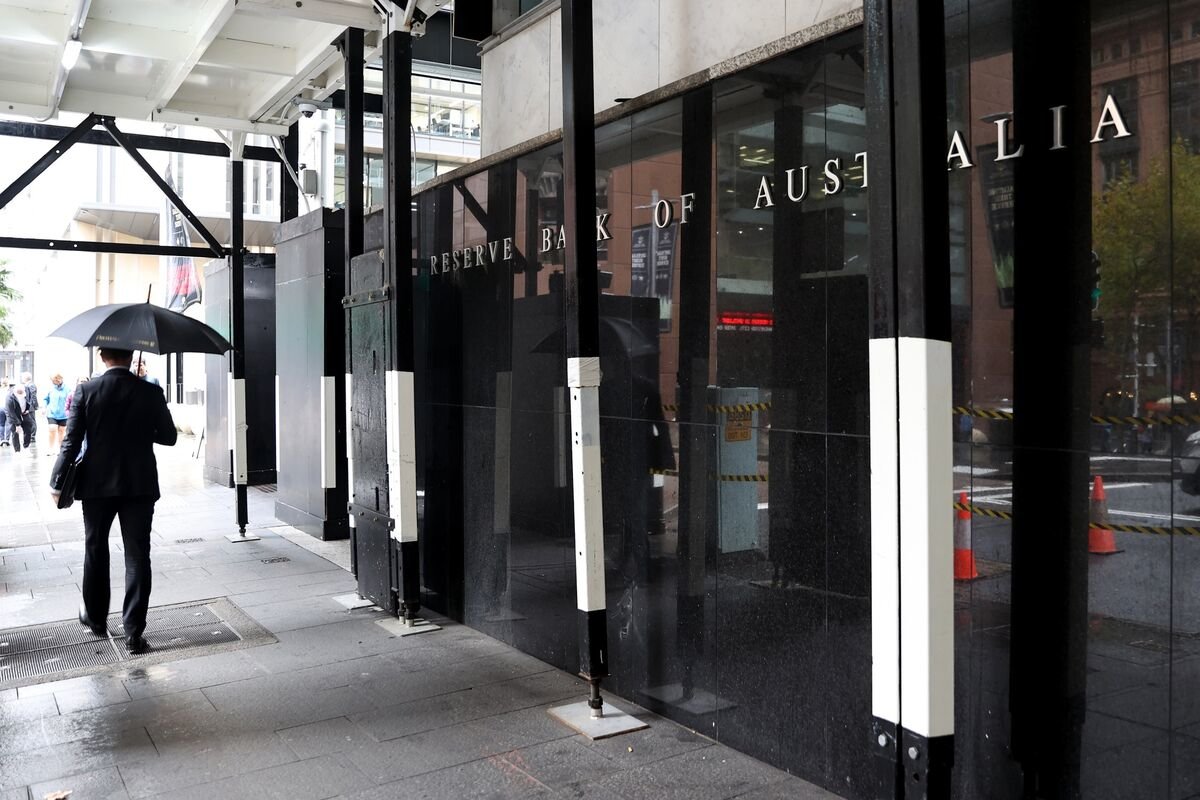
Australia’s central bank is preparing to pivot back to raising interest rates, marking a decisive break from the global trend of easing monetary policy as inflation pressures intensify at home.
After three cuts in 2025 reduced the official cash rate to 3.60 per cent, policymakers are now confronting stubborn price increases that have lifted inflation well above target, fuelling expectations of a rate hike at the Reserve Bank of Australia’s (RBA) early February meeting.
The shift underscores the RBA’s commitment to price stability amid robust domestic demand and a tightening labour market, despite economic conditions elsewhere in the developed world that favour looser monetary settings.
Recent data show that annual headline inflation climbed to around three point eight per cent in late 2025, exceeding the RBA’s two to three per cent target range and surprising many economists who had previously anticipated sustained lower price growth.
Core measures of inflation, which exclude volatile items such as energy and food, have also remained elevated, reinforcing the case for policy tightening.
These inflationary pressures have been amplified by rising housing costs, energy price adjustments, and broader cost-of-living increases that have kept consumer price growth persistent.
The prospect of a rate hike comes as Australia’s housing market continues to display strength, with national home price growth picking up in January even as affordability concerns mount.
A buoyant property sector, supported by low unemployment and constrained housing supply, has complicated the RBA’s task as it balances inflation control with financial stability.
Markets and major financial institutions have increasingly priced in a modest increase in the cash rate, with projections for at least a quarter-point rise to around three point eight five per cent, reversing some of the easing delivered in the prior year.
This expected shift in policy reflects a broader consensus that inflation risks have not yet abated and that a return to tighter monetary conditions is warranted to keep price pressures anchored.
Reserve Bank Governor Michele Bullock and her board have signalled they are closely monitoring incoming data and stand ready to adjust policy.
In recent communications, the RBA emphasised that further rate cuts are off the table and highlighted that continued inflation above target could necessitate a reversal of the easing cycle.
The decision to potentially raise rates against a backdrop of widespread global monetary easing marks a significant and carefully weighed policy response to unique domestic economic dynamics.