Australia’s Kerbside EV Charging Gap Exposes a Critical Urban Infrastructure Challenge
As electric vehicle adoption accelerates, pressure is mounting to expand street-based charging networks in dense suburbs lacking private parking
SYSTEM-DRIVEN infrastructure policy is emerging as a central constraint on Australia’s electric vehicle transition, with urban kerbside charging identified as a missing link between national EV uptake targets and real-world residential conditions in cities.
What is confirmed is that Australia’s shift toward electric vehicles is accelerating, driven by national emissions reduction targets, falling EV prices, and increased model availability.
However, the rollout of charging infrastructure has been uneven, with most investment concentrated in highways, commercial hubs, and private home installations rather than dense residential streets where off-street parking is limited.
The core problem is structural.
A significant proportion of Australian households, particularly in older inner-city suburbs and medium-density apartment areas, do not have access to private garages or driveways.
For these households, home charging is not possible, making public kerbside charging essential for everyday EV use.
Without it, EV adoption becomes unevenly distributed, favouring wealthier or suburban households with private parking.
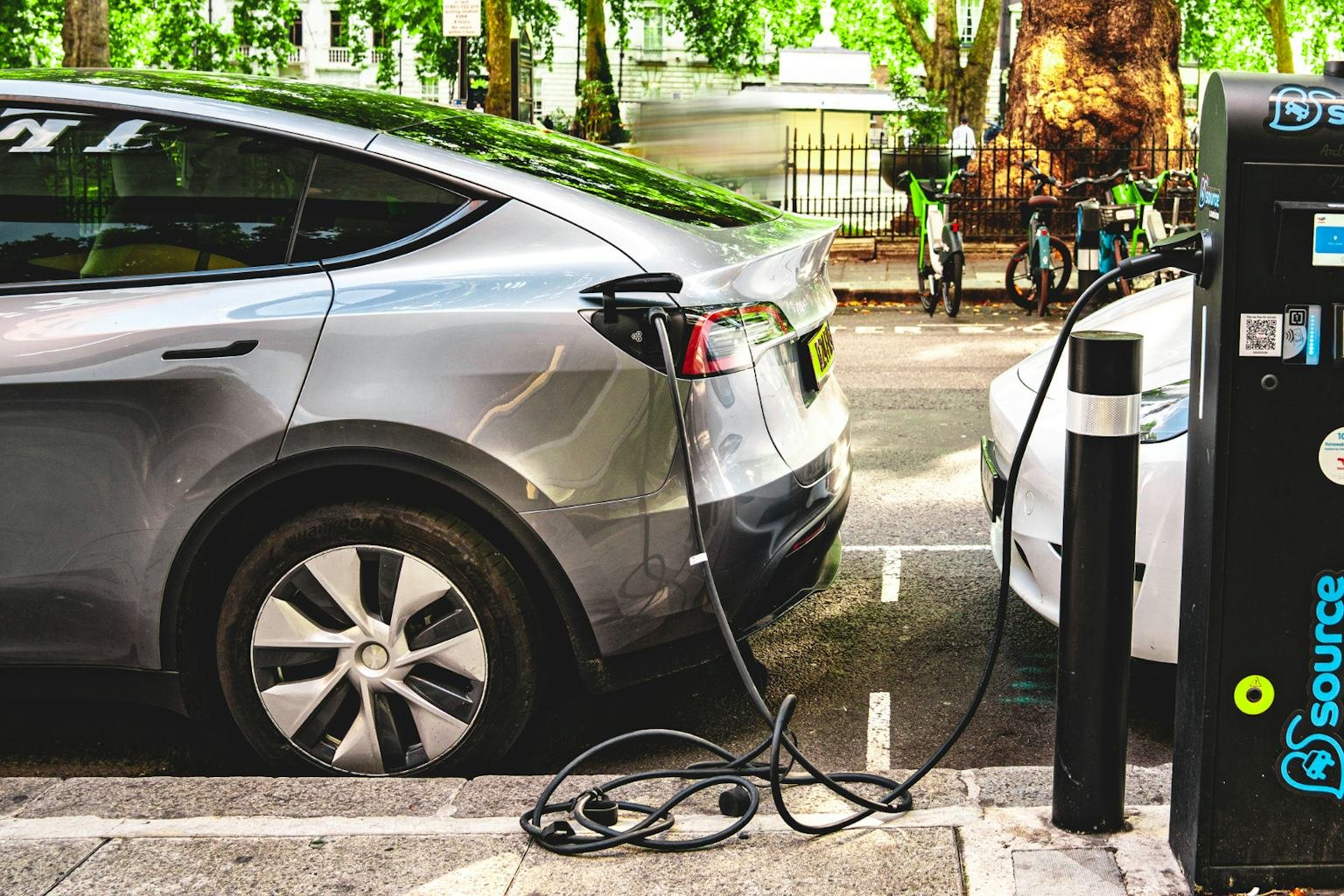
Kerbside charging refers to on-street electric vehicle charging infrastructure installed along public roads, typically integrated into existing parking spaces, street poles, or dedicated curbside units.
Unlike fast-charging stations on highways, these units are designed for longer dwell times, often overnight, and require integration with local parking regulations, grid capacity, and urban design standards.
The expansion challenge is not only technical but institutional.
Responsibility for kerbside charging is split between multiple layers of government and private operators, including local councils, state authorities, energy distributors, and commercial charging companies.
This fragmentation slows deployment, increases costs, and leads to inconsistent rollout strategies between cities and even neighbouring suburbs.
Australia’s electricity distribution networks also face constraints.
In many inner urban areas, local grids were not designed for clustered overnight charging loads.
Upgrading substations, transformers, and street-level wiring is often required before large-scale kerbside deployment can occur, adding both time and cost to rollout plans.
Policy analysts and infrastructure planners argue that without coordinated national standards and funding mechanisms, kerbside charging risks developing as a patchwork system, with high-visibility areas served first while lower-income or politically less prioritised suburbs lag behind.
This could reinforce existing inequalities in transport access and mobility costs.
Private sector participation is expanding, with energy companies and charging infrastructure providers trialling different models, including lamp-post chargers, shared curbside hubs, and subscription-based residential charging access.
However, commercial viability remains uncertain in lower-density or lower-income areas where utilisation rates may not justify upfront installation costs.
Local governments are increasingly central to deployment decisions because they control on-street parking allocation and street furniture approvals.
Some councils have begun pilot programs, but scaling these pilots into city-wide networks requires coordination with state planning frameworks and electricity distributors, which remains inconsistent across jurisdictions.
The stakes extend beyond transport policy.
Kerbside charging is increasingly viewed as a test case for how Australia manages the broader electrification of urban infrastructure, including public transport fleets, delivery vehicles, and shared mobility systems.
Without rapid expansion, EV adoption could plateau in precisely the areas where public charging is most needed.
The immediate implication is that Australia’s EV transition will not be determined solely by vehicle affordability or national emissions targets, but by the speed at which cities can retrofit their streets for distributed charging access, making kerbside infrastructure a defining bottleneck in the next phase of electrification.
What is confirmed is that Australia’s shift toward electric vehicles is accelerating, driven by national emissions reduction targets, falling EV prices, and increased model availability.
However, the rollout of charging infrastructure has been uneven, with most investment concentrated in highways, commercial hubs, and private home installations rather than dense residential streets where off-street parking is limited.
The core problem is structural.
A significant proportion of Australian households, particularly in older inner-city suburbs and medium-density apartment areas, do not have access to private garages or driveways.
For these households, home charging is not possible, making public kerbside charging essential for everyday EV use.
Without it, EV adoption becomes unevenly distributed, favouring wealthier or suburban households with private parking.
Kerbside charging refers to on-street electric vehicle charging infrastructure installed along public roads, typically integrated into existing parking spaces, street poles, or dedicated curbside units.
Unlike fast-charging stations on highways, these units are designed for longer dwell times, often overnight, and require integration with local parking regulations, grid capacity, and urban design standards.
The expansion challenge is not only technical but institutional.
Responsibility for kerbside charging is split between multiple layers of government and private operators, including local councils, state authorities, energy distributors, and commercial charging companies.
This fragmentation slows deployment, increases costs, and leads to inconsistent rollout strategies between cities and even neighbouring suburbs.
Australia’s electricity distribution networks also face constraints.
In many inner urban areas, local grids were not designed for clustered overnight charging loads.
Upgrading substations, transformers, and street-level wiring is often required before large-scale kerbside deployment can occur, adding both time and cost to rollout plans.
Policy analysts and infrastructure planners argue that without coordinated national standards and funding mechanisms, kerbside charging risks developing as a patchwork system, with high-visibility areas served first while lower-income or politically less prioritised suburbs lag behind.
This could reinforce existing inequalities in transport access and mobility costs.
Private sector participation is expanding, with energy companies and charging infrastructure providers trialling different models, including lamp-post chargers, shared curbside hubs, and subscription-based residential charging access.
However, commercial viability remains uncertain in lower-density or lower-income areas where utilisation rates may not justify upfront installation costs.
Local governments are increasingly central to deployment decisions because they control on-street parking allocation and street furniture approvals.
Some councils have begun pilot programs, but scaling these pilots into city-wide networks requires coordination with state planning frameworks and electricity distributors, which remains inconsistent across jurisdictions.
The stakes extend beyond transport policy.
Kerbside charging is increasingly viewed as a test case for how Australia manages the broader electrification of urban infrastructure, including public transport fleets, delivery vehicles, and shared mobility systems.
Without rapid expansion, EV adoption could plateau in precisely the areas where public charging is most needed.
The immediate implication is that Australia’s EV transition will not be determined solely by vehicle affordability or national emissions targets, but by the speed at which cities can retrofit their streets for distributed charging access, making kerbside infrastructure a defining bottleneck in the next phase of electrification.
AI Disclaimer: An advanced artificial intelligence (AI) system generated the content of this page on its own. This innovative technology conducts extensive research from a variety of reliable sources, performs rigorous fact-checking and verification, cleans up and balances biased or manipulated content, and presents a minimal factual summary that is just enough yet essential for you to function as an informed and educated citizen. Please keep in mind, however, that this system is an evolving technology, and as a result, the article may contain accidental inaccuracies or errors. We urge you to help us improve our site by reporting any inaccuracies you find using the "Contact Us" link at the bottom of this page. Your helpful feedback helps us improve our system and deliver more precise content. When you find an article of interest here, please look for the full and extensive coverage of this topic in traditional news sources, as they are written by professional journalists that we try to support, not replace. We appreciate your understanding and assistance.