Australia’s Migration System Faces Structural Strain as Policy Debate Intensifies
Rising net migration, housing pressure, and labour demand expose deep tensions in Australia’s visa framework while political parties dispute the effectiveness of proposed reforms
SYSTEM-DRIVEN migration policy is once again at the centre of Australian politics as pressure builds over record or near-record population inflows, housing affordability, and the capacity of existing visa settings to manage labour demand without creating systemic strain.
Australia’s migration system is designed around multiple overlapping visa streams, including skilled migration, student visas, humanitarian intake, and temporary work arrangements.
In principle, these categories are intended to balance economic growth, workforce shortages, and humanitarian obligations.
In practice, the combined effect of these streams has produced sustained high net overseas migration in recent years, contributing to rapid population growth in major urban centres.
What is confirmed is that Australia has experienced elevated migration levels following pandemic-era border reopening, driven in part by international student arrivals, temporary skilled workers, and post-pandemic labour market recovery.
This surge has coincided with significant pressure on housing supply, rental affordability, and infrastructure capacity in major cities such as Sydney, Melbourne, and Brisbane.
The political debate has sharpened around whether current policy settings are capable of moderating migration flows without damaging economic performance.
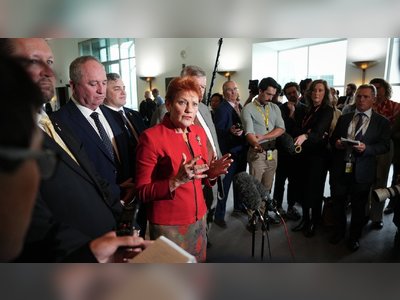
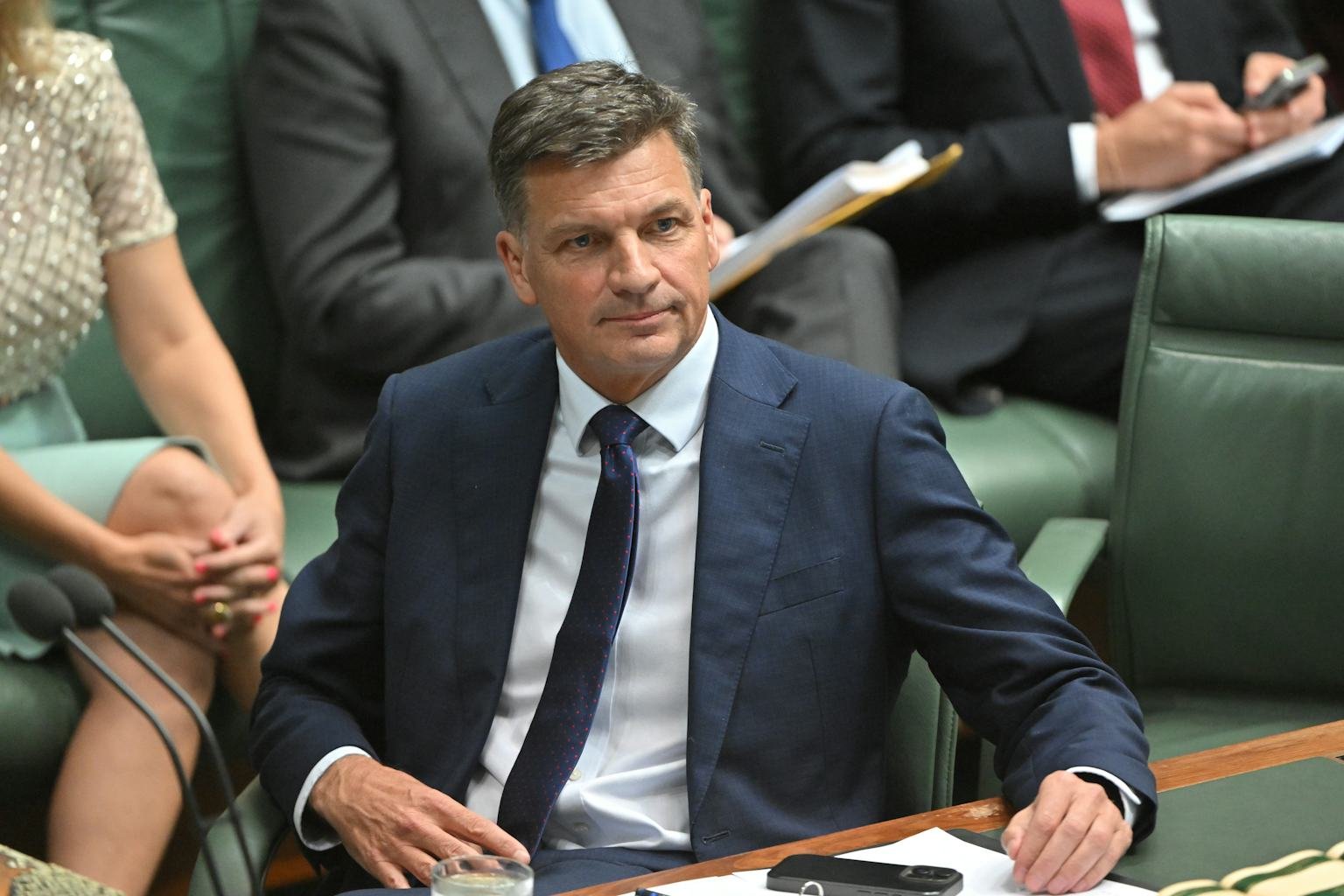
Opposition figures, including those from the Liberal Party, have argued that existing government adjustments are insufficient and lack structural impact.
Critics of this position counter that migration is being used as a proxy explanation for broader housing supply constraints, including planning restrictions, construction delays, and underinvestment in infrastructure.
The government has already moved to tighten parts of the system, including student visa rules, compliance enforcement for education providers, and adjustments to skilled visa thresholds.
It has also signalled a desire to reduce reliance on temporary migration pathways while maintaining long-term intake of high-skilled workers.
However, these measures operate within a system where multiple visa categories interact, making overall migration levels sensitive to changes in education demand, labour shortages, and global mobility trends.
A key structural issue is that Australia’s migration system is not a single lever but a composite framework.
International students, for example, contribute significantly to the economy through tuition fees and consumption, but also add to population growth and housing demand, particularly in inner-city rental markets.
Skilled migration addresses labour shortages in sectors such as healthcare, construction, and technology, but can lag behind rapidly shifting economic needs.
The result is a policy environment in which incremental changes can produce unintended cross-sector effects.
Reducing one category of visas can shift pressure onto another, while tightening entry criteria may exacerbate workforce shortages in critical industries already under strain.
Supporters of stronger migration controls argue that current settings have expanded too quickly relative to housing supply and infrastructure development, creating a mismatch between population growth and physical capacity.
They also point to public concern over congestion, rental price increases, and the pace of urban expansion.
Opponents argue that Australia’s long-term economic model depends on migration to offset ageing demographics and sustain labour force growth.
They warn that overly restrictive policies could reduce productivity, weaken international competitiveness, and deter skilled talent in a globally competitive labour market.
The central policy challenge is therefore not whether migration should increase or decrease in isolation, but how to align visa settings, housing supply, infrastructure investment, and labour market planning within a coherent system that can respond to both economic cycles and demographic pressures.
As political debate intensifies, the underlying system remains under strain from competing objectives: economic growth, social cohesion, and capacity constraints.
The immediate consequence is continued policy volatility, with migration settings likely to remain a central point of contention in Australian domestic politics as governments attempt to reconcile demand for labour with limits in housing and infrastructure supply.
Australia’s migration system is designed around multiple overlapping visa streams, including skilled migration, student visas, humanitarian intake, and temporary work arrangements.
In principle, these categories are intended to balance economic growth, workforce shortages, and humanitarian obligations.
In practice, the combined effect of these streams has produced sustained high net overseas migration in recent years, contributing to rapid population growth in major urban centres.
What is confirmed is that Australia has experienced elevated migration levels following pandemic-era border reopening, driven in part by international student arrivals, temporary skilled workers, and post-pandemic labour market recovery.
This surge has coincided with significant pressure on housing supply, rental affordability, and infrastructure capacity in major cities such as Sydney, Melbourne, and Brisbane.
The political debate has sharpened around whether current policy settings are capable of moderating migration flows without damaging economic performance.
Opposition figures, including those from the Liberal Party, have argued that existing government adjustments are insufficient and lack structural impact.
Critics of this position counter that migration is being used as a proxy explanation for broader housing supply constraints, including planning restrictions, construction delays, and underinvestment in infrastructure.
The government has already moved to tighten parts of the system, including student visa rules, compliance enforcement for education providers, and adjustments to skilled visa thresholds.
It has also signalled a desire to reduce reliance on temporary migration pathways while maintaining long-term intake of high-skilled workers.
However, these measures operate within a system where multiple visa categories interact, making overall migration levels sensitive to changes in education demand, labour shortages, and global mobility trends.
A key structural issue is that Australia’s migration system is not a single lever but a composite framework.
International students, for example, contribute significantly to the economy through tuition fees and consumption, but also add to population growth and housing demand, particularly in inner-city rental markets.
Skilled migration addresses labour shortages in sectors such as healthcare, construction, and technology, but can lag behind rapidly shifting economic needs.
The result is a policy environment in which incremental changes can produce unintended cross-sector effects.
Reducing one category of visas can shift pressure onto another, while tightening entry criteria may exacerbate workforce shortages in critical industries already under strain.
Supporters of stronger migration controls argue that current settings have expanded too quickly relative to housing supply and infrastructure development, creating a mismatch between population growth and physical capacity.
They also point to public concern over congestion, rental price increases, and the pace of urban expansion.
Opponents argue that Australia’s long-term economic model depends on migration to offset ageing demographics and sustain labour force growth.
They warn that overly restrictive policies could reduce productivity, weaken international competitiveness, and deter skilled talent in a globally competitive labour market.
The central policy challenge is therefore not whether migration should increase or decrease in isolation, but how to align visa settings, housing supply, infrastructure investment, and labour market planning within a coherent system that can respond to both economic cycles and demographic pressures.
As political debate intensifies, the underlying system remains under strain from competing objectives: economic growth, social cohesion, and capacity constraints.
The immediate consequence is continued policy volatility, with migration settings likely to remain a central point of contention in Australian domestic politics as governments attempt to reconcile demand for labour with limits in housing and infrastructure supply.
AI Disclaimer: An advanced artificial intelligence (AI) system generated the content of this page on its own. This innovative technology conducts extensive research from a variety of reliable sources, performs rigorous fact-checking and verification, cleans up and balances biased or manipulated content, and presents a minimal factual summary that is just enough yet essential for you to function as an informed and educated citizen. Please keep in mind, however, that this system is an evolving technology, and as a result, the article may contain accidental inaccuracies or errors. We urge you to help us improve our site by reporting any inaccuracies you find using the "Contact Us" link at the bottom of this page. Your helpful feedback helps us improve our system and deliver more precise content. When you find an article of interest here, please look for the full and extensive coverage of this topic in traditional news sources, as they are written by professional journalists that we try to support, not replace. We appreciate your understanding and assistance.