One Nation’s Historic Lower House Win Reshapes Australia’s Immigration Politics
Pauline Hanson’s Trump-aligned populist movement captured its first seat in Australia’s House of Representatives and immediately escalated calls for sharp migration cuts, exposing a growing fracture inside the country’s conservative politics.
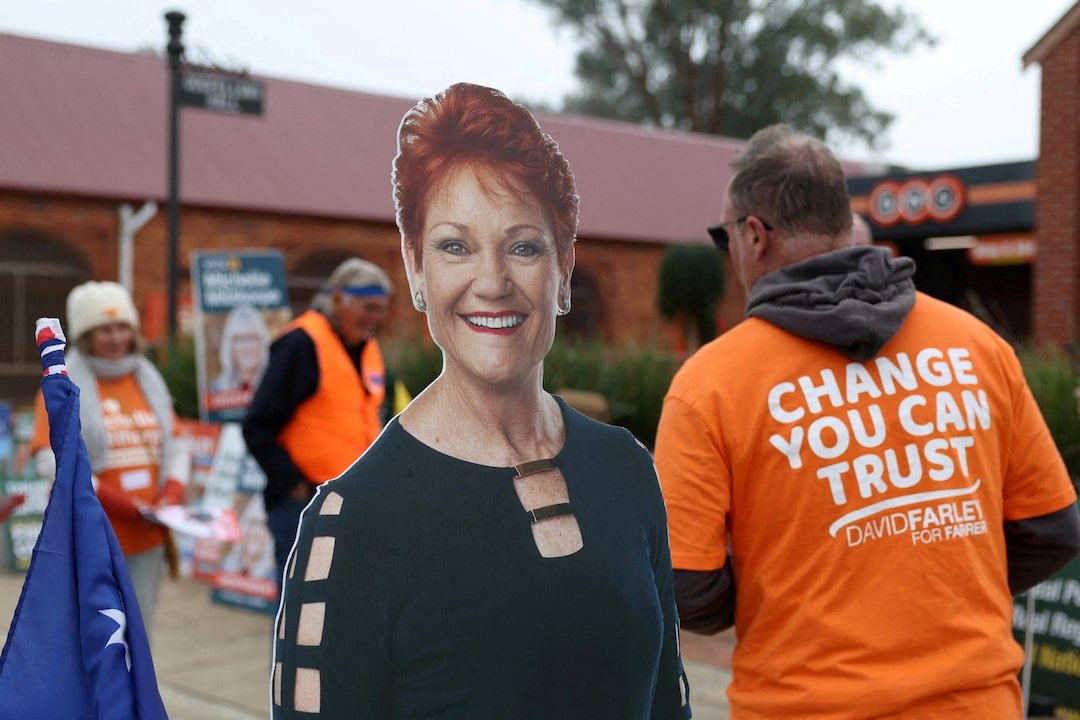
Pauline Hanson’s One Nation party has won its first-ever seat in Australia’s lower house of parliament, marking the most significant breakthrough for the country’s anti-immigration populist movement since the party was founded nearly three decades ago.
The result came in the rural New South Wales electorate of Farrer, where candidate David Farley defeated the conservative Liberal Party in a by-election triggered by the resignation of former opposition leader Sussan Ley.
The seat had been held continuously by the Liberal-National Coalition since 1949, making the defeat politically explosive far beyond its immediate parliamentary impact.
The story is fundamentally actor-driven because the development centers on the rise of a specific political movement led by Pauline Hanson and its attempt to transform Australia’s conservative landscape through immigration-focused populism modeled partly on Donald Trump’s political strategy.
What is confirmed is that One Nation used the victory to sharpen its national campaign against what it calls “mass migration,” linking immigration levels directly to housing shortages, rising rents, infrastructure pressure, and cost-of-living stress.
Hanson publicly pledged to use the parliamentary breakthrough to push for lower migration intake, opposition to net-zero climate policies, and tougher border enforcement.
The win does not threaten Prime Minister Anthony Albanese’s parliamentary majority.
Labor did not contest the by-election, partly because Farrer has historically been considered unwinnable territory for the center-left.
But the result carries major symbolic importance because it reveals how deeply fragmented Australia’s political right has become after years of electoral setbacks for the Liberal Party.
The Liberal candidate finished a distant third after a collapse in primary vote support.
Analysts inside Australia’s conservative movement have described the outcome as evidence that traditional center-right parties are losing rural and outer-regional voters to more aggressive populist alternatives focused on migration, cultural grievance, energy prices, and distrust of political institutions.
Immigration has become the core political fuel behind One Nation’s resurgence.
Australia experienced historically high post-pandemic migration levels as the government reopened borders to international students, skilled workers, and temporary visa holders following labor shortages across multiple industries.
Net overseas migration surged well above pre-pandemic levels, intensifying pressure on housing supply and rental markets in major cities.
That economic backdrop has given anti-immigration rhetoric broader political traction than in earlier periods when Australia’s economy was stronger and housing costs less severe.
One Nation has increasingly argued that rapid population growth benefits corporations and property investors while weakening wages, public services, and social cohesion.
The party’s rhetoric mirrors themes now visible across several Western democracies.
Hanson has openly praised aspects of Trump-era immigration policy and attended conservative political gatherings aligned with the international populist right.
One Nation’s messaging increasingly combines economic nationalism, skepticism toward climate regulation, criticism of multicultural policy, and attacks on political elites.
At the same time, Australia’s political environment differs sharply from the United States and parts of Europe.
Australia already maintains some of the world’s strictest border enforcement systems for unauthorized maritime arrivals.
Most migration into the country occurs legally through skilled migration, education, family reunion, and temporary worker programs.
The key issue is that dissatisfaction is now shifting away from border security toward migration scale and infrastructure capacity.
Public concern increasingly focuses on whether housing construction, transport systems, healthcare networks, and wages can keep pace with sustained population growth.
The Farrer result also highlights structural weaknesses inside the Liberal-National Coalition.
Internal leadership turmoil, ideological divisions, and declining support in both metropolitan and regional areas have created political space for challengers on multiple fronts.
In wealthy urban electorates, moderate “teal” independents have damaged the Liberals from the center.
In regional and outer-suburban areas, One Nation is now attempting to attack from the nationalist right.
Some conservatives fear the Australian right is entering a prolonged fragmentation cycle similar to developments seen in parts of Europe, where mainstream center-right parties lost voters simultaneously to populist nationalist movements and centrist independents.
Others argue the Farrer result may remain geographically limited because compulsory voting and Australia’s preferential voting system make large-scale populist breakthroughs more difficult than in many other democracies.
The result has already intensified debate over preference deals between mainstream conservatives and One Nation.
Labor accused the Coalition of helping legitimize Hanson’s movement through electoral arrangements, while Coalition figures argued the defeat reflected broader voter anger over economic conditions and party instability rather than endorsement of extremism.
One Nation is now openly targeting outer suburban and regional seats ahead of the next federal election cycle.
The party believes migration-driven frustration over housing affordability and public services can expand its support beyond its traditional rural protest base.
What is confirmed is that Australia’s immigration debate has entered a more confrontational political phase.
A party once treated largely as a protest movement now holds a seat in the House of Representatives for the first time, giving One Nation a national parliamentary platform from which to push anti-migration politics deeper into the country’s mainstream political contest.
The result came in the rural New South Wales electorate of Farrer, where candidate David Farley defeated the conservative Liberal Party in a by-election triggered by the resignation of former opposition leader Sussan Ley.
The seat had been held continuously by the Liberal-National Coalition since 1949, making the defeat politically explosive far beyond its immediate parliamentary impact.
The story is fundamentally actor-driven because the development centers on the rise of a specific political movement led by Pauline Hanson and its attempt to transform Australia’s conservative landscape through immigration-focused populism modeled partly on Donald Trump’s political strategy.
What is confirmed is that One Nation used the victory to sharpen its national campaign against what it calls “mass migration,” linking immigration levels directly to housing shortages, rising rents, infrastructure pressure, and cost-of-living stress.
Hanson publicly pledged to use the parliamentary breakthrough to push for lower migration intake, opposition to net-zero climate policies, and tougher border enforcement.
The win does not threaten Prime Minister Anthony Albanese’s parliamentary majority.
Labor did not contest the by-election, partly because Farrer has historically been considered unwinnable territory for the center-left.
But the result carries major symbolic importance because it reveals how deeply fragmented Australia’s political right has become after years of electoral setbacks for the Liberal Party.
The Liberal candidate finished a distant third after a collapse in primary vote support.
Analysts inside Australia’s conservative movement have described the outcome as evidence that traditional center-right parties are losing rural and outer-regional voters to more aggressive populist alternatives focused on migration, cultural grievance, energy prices, and distrust of political institutions.
Immigration has become the core political fuel behind One Nation’s resurgence.
Australia experienced historically high post-pandemic migration levels as the government reopened borders to international students, skilled workers, and temporary visa holders following labor shortages across multiple industries.
Net overseas migration surged well above pre-pandemic levels, intensifying pressure on housing supply and rental markets in major cities.
That economic backdrop has given anti-immigration rhetoric broader political traction than in earlier periods when Australia’s economy was stronger and housing costs less severe.
One Nation has increasingly argued that rapid population growth benefits corporations and property investors while weakening wages, public services, and social cohesion.
The party’s rhetoric mirrors themes now visible across several Western democracies.
Hanson has openly praised aspects of Trump-era immigration policy and attended conservative political gatherings aligned with the international populist right.
One Nation’s messaging increasingly combines economic nationalism, skepticism toward climate regulation, criticism of multicultural policy, and attacks on political elites.
At the same time, Australia’s political environment differs sharply from the United States and parts of Europe.
Australia already maintains some of the world’s strictest border enforcement systems for unauthorized maritime arrivals.
Most migration into the country occurs legally through skilled migration, education, family reunion, and temporary worker programs.
The key issue is that dissatisfaction is now shifting away from border security toward migration scale and infrastructure capacity.
Public concern increasingly focuses on whether housing construction, transport systems, healthcare networks, and wages can keep pace with sustained population growth.
The Farrer result also highlights structural weaknesses inside the Liberal-National Coalition.
Internal leadership turmoil, ideological divisions, and declining support in both metropolitan and regional areas have created political space for challengers on multiple fronts.
In wealthy urban electorates, moderate “teal” independents have damaged the Liberals from the center.
In regional and outer-suburban areas, One Nation is now attempting to attack from the nationalist right.
Some conservatives fear the Australian right is entering a prolonged fragmentation cycle similar to developments seen in parts of Europe, where mainstream center-right parties lost voters simultaneously to populist nationalist movements and centrist independents.
Others argue the Farrer result may remain geographically limited because compulsory voting and Australia’s preferential voting system make large-scale populist breakthroughs more difficult than in many other democracies.
The result has already intensified debate over preference deals between mainstream conservatives and One Nation.
Labor accused the Coalition of helping legitimize Hanson’s movement through electoral arrangements, while Coalition figures argued the defeat reflected broader voter anger over economic conditions and party instability rather than endorsement of extremism.
One Nation is now openly targeting outer suburban and regional seats ahead of the next federal election cycle.
The party believes migration-driven frustration over housing affordability and public services can expand its support beyond its traditional rural protest base.
What is confirmed is that Australia’s immigration debate has entered a more confrontational political phase.
A party once treated largely as a protest movement now holds a seat in the House of Representatives for the first time, giving One Nation a national parliamentary platform from which to push anti-migration politics deeper into the country’s mainstream political contest.
AI Disclaimer: An advanced artificial intelligence (AI) system generated the content of this page on its own. This innovative technology conducts extensive research from a variety of reliable sources, performs rigorous fact-checking and verification, cleans up and balances biased or manipulated content, and presents a minimal factual summary that is just enough yet essential for you to function as an informed and educated citizen. Please keep in mind, however, that this system is an evolving technology, and as a result, the article may contain accidental inaccuracies or errors. We urge you to help us improve our site by reporting any inaccuracies you find using the "Contact Us" link at the bottom of this page. Your helpful feedback helps us improve our system and deliver more precise content. When you find an article of interest here, please look for the full and extensive coverage of this topic in traditional news sources, as they are written by professional journalists that we try to support, not replace. We appreciate your understanding and assistance.