Policy Reversal Slows Queensland’s Renewable Surge as Coal Extends Its Grip
A sharp shift in state energy strategy after the 2024 election has cut investment, prolonged coal use, and destabilized Australia’s largest emitting grid
Queensland’s energy policy framework is driving a sudden slowdown in its transition away from coal, after a change in government replaced binding renewable targets with a coal-extended roadmap that has reshaped investment, timelines, and market confidence.
What is confirmed is that the state’s Liberal National Party government, elected in 2024, dismantled legislated renewable energy targets and committed to keeping coal-fired power stations operating into the 2040s.
This marked a direct reversal of the previous plan to largely exit coal by 2035 and shift rapidly toward wind, solar, and storage.
The mechanism of the slowdown is structural rather than technical.
Removing legally binding targets eliminated a clear signal to investors, while extending coal plant lifespans reduced urgency for replacement capacity.
The result has been a sharp contraction in new renewable commitments.
In 2024, Queensland approved more than 3,200 megawatts of renewable and storage projects across multiple developments.
By 2025, that figure fell to just a fraction, with only a small number of projects progressing.
This shift matters because Queensland is Australia’s highest-emitting state, heavily reliant on coal for electricity generation.
Its energy trajectory has outsized influence on national emissions targets and grid stability.
A slowdown in renewable deployment in Queensland directly affects Australia’s ability to meet its broader decarbonisation goals.
The economic consequences are already visible.
Renewable developers and industry groups report declining confidence, citing inconsistent policy signals and uncertainty about the long-term role of coal.
Surveys of market participants show weak confidence that current settings support investment certainty.
Capital that might have flowed into Queensland has begun shifting to other states with more stable policy frameworks.
At the same time, the government argues the revised approach prioritizes affordability and reliability.
Officials maintain that Queensland’s relatively young coal fleet can continue operating efficiently and that extending its life avoids premature closures that could increase power costs or destabilize supply.
The policy also includes support for gas and selective investment in renewables and storage, indicating a mixed rather than purely fossil-based strategy.
The tension between these positions is sharpened by real-world system performance.
Coal plants across Australia, including in Queensland, have experienced frequent outages and maintenance issues, with a significant share of capacity offline during peak demand periods.
This has reinforced the argument from energy analysts that aging coal infrastructure is becoming less reliable, even as policy seeks to extend its use.
There are also environmental stakes unique to Queensland.
The state’s emissions profile and exposure to climate impacts place pressure on industries such as tourism, particularly around the Great Barrier Reef.
Slower emissions reductions increase risks tied to extreme weather, coral bleaching, and ecosystem degradation, translating climate policy into direct economic consequences.
The “whiplash” effect described by industry participants reflects the speed and scale of policy change rather than a halt in underlying technological progress.
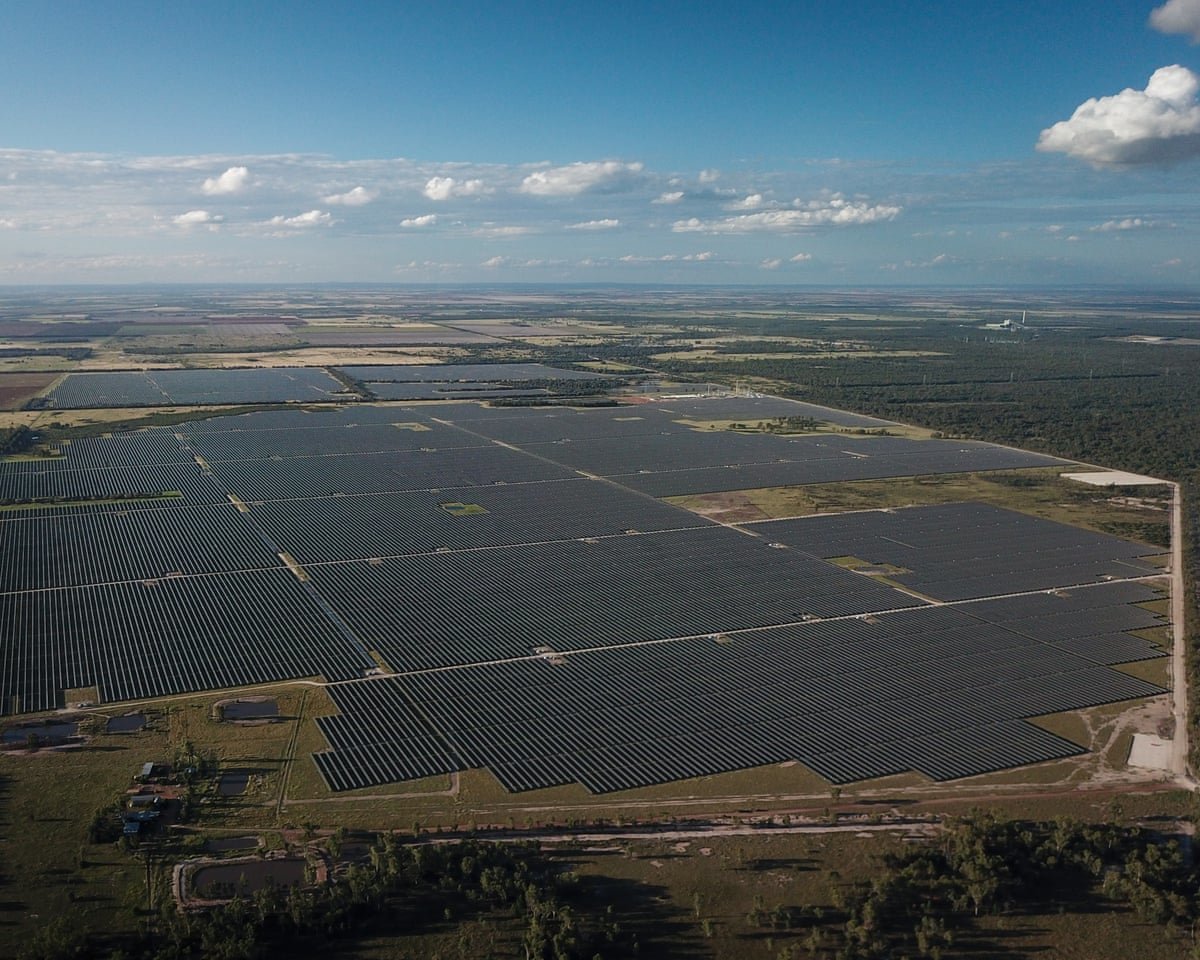
Renewable generation in Queensland has continued to grow from projects already underway, and in some periods has reduced both prices and emissions.
However, the pipeline of future projects—the determinant of long-term transition—has weakened.
Nationally, the shift underscores a fragmented energy transition.
While some Australian states accelerate renewable deployment, Queensland’s policy divergence complicates grid planning, investment flows, and emissions trajectories.
The federal government’s targets depend on coordinated state action, making Queensland’s slowdown a critical constraint.
The immediate consequence is a dual-track system: existing renewable capacity continues to expand output, but new investment slows as coal remains embedded in the system for decades longer than previously planned.
This locks in higher emissions over time and reshapes the competitive landscape of Australia’s energy market, with investment increasingly flowing toward jurisdictions offering clearer and more stable transition pathways.
What is confirmed is that the state’s Liberal National Party government, elected in 2024, dismantled legislated renewable energy targets and committed to keeping coal-fired power stations operating into the 2040s.
This marked a direct reversal of the previous plan to largely exit coal by 2035 and shift rapidly toward wind, solar, and storage.
The mechanism of the slowdown is structural rather than technical.
Removing legally binding targets eliminated a clear signal to investors, while extending coal plant lifespans reduced urgency for replacement capacity.
The result has been a sharp contraction in new renewable commitments.
In 2024, Queensland approved more than 3,200 megawatts of renewable and storage projects across multiple developments.
By 2025, that figure fell to just a fraction, with only a small number of projects progressing.
This shift matters because Queensland is Australia’s highest-emitting state, heavily reliant on coal for electricity generation.
Its energy trajectory has outsized influence on national emissions targets and grid stability.
A slowdown in renewable deployment in Queensland directly affects Australia’s ability to meet its broader decarbonisation goals.
The economic consequences are already visible.
Renewable developers and industry groups report declining confidence, citing inconsistent policy signals and uncertainty about the long-term role of coal.
Surveys of market participants show weak confidence that current settings support investment certainty.
Capital that might have flowed into Queensland has begun shifting to other states with more stable policy frameworks.
At the same time, the government argues the revised approach prioritizes affordability and reliability.
Officials maintain that Queensland’s relatively young coal fleet can continue operating efficiently and that extending its life avoids premature closures that could increase power costs or destabilize supply.
The policy also includes support for gas and selective investment in renewables and storage, indicating a mixed rather than purely fossil-based strategy.
The tension between these positions is sharpened by real-world system performance.
Coal plants across Australia, including in Queensland, have experienced frequent outages and maintenance issues, with a significant share of capacity offline during peak demand periods.
This has reinforced the argument from energy analysts that aging coal infrastructure is becoming less reliable, even as policy seeks to extend its use.
There are also environmental stakes unique to Queensland.
The state’s emissions profile and exposure to climate impacts place pressure on industries such as tourism, particularly around the Great Barrier Reef.
Slower emissions reductions increase risks tied to extreme weather, coral bleaching, and ecosystem degradation, translating climate policy into direct economic consequences.
The “whiplash” effect described by industry participants reflects the speed and scale of policy change rather than a halt in underlying technological progress.
Renewable generation in Queensland has continued to grow from projects already underway, and in some periods has reduced both prices and emissions.
However, the pipeline of future projects—the determinant of long-term transition—has weakened.
Nationally, the shift underscores a fragmented energy transition.
While some Australian states accelerate renewable deployment, Queensland’s policy divergence complicates grid planning, investment flows, and emissions trajectories.
The federal government’s targets depend on coordinated state action, making Queensland’s slowdown a critical constraint.
The immediate consequence is a dual-track system: existing renewable capacity continues to expand output, but new investment slows as coal remains embedded in the system for decades longer than previously planned.
This locks in higher emissions over time and reshapes the competitive landscape of Australia’s energy market, with investment increasingly flowing toward jurisdictions offering clearer and more stable transition pathways.
AI Disclaimer: An advanced artificial intelligence (AI) system generated the content of this page on its own. This innovative technology conducts extensive research from a variety of reliable sources, performs rigorous fact-checking and verification, cleans up and balances biased or manipulated content, and presents a minimal factual summary that is just enough yet essential for you to function as an informed and educated citizen. Please keep in mind, however, that this system is an evolving technology, and as a result, the article may contain accidental inaccuracies or errors. We urge you to help us improve our site by reporting any inaccuracies you find using the "Contact Us" link at the bottom of this page. Your helpful feedback helps us improve our system and deliver more precise content. When you find an article of interest here, please look for the full and extensive coverage of this topic in traditional news sources, as they are written by professional journalists that we try to support, not replace. We appreciate your understanding and assistance.