Hormuz Chokepoint Disruption Spreads: Fuel, Fertiliser and Medical Supply Chains Hit Australia and UK
Closure of a critical global shipping artery triggers cascading shortages and price shocks far beyond energy markets
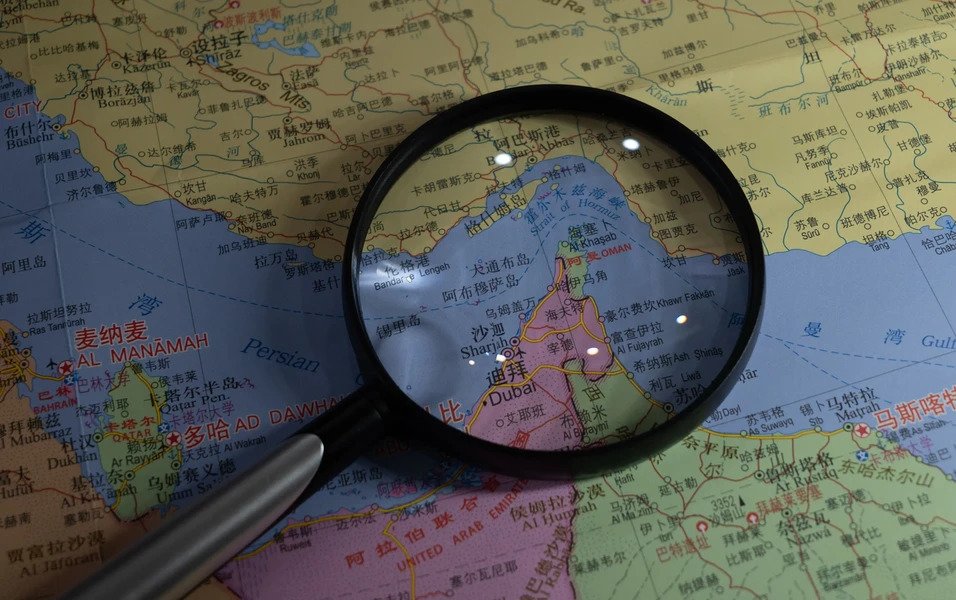
The closure of the Strait of Hormuz—a narrow maritime corridor that carries a significant share of the world’s oil, gas and petrochemical exports—has triggered a widening supply shock now visibly hitting both Australia and the United Kingdom across fuel, food, infrastructure and healthcare systems.
What is confirmed is that the disruption stems from the ongoing conflict involving Iran, which has sharply restricted or halted tanker traffic through the strait for weeks.
This has cut off or delayed flows not only of crude oil but also refined fuels and petrochemical feedstocks, creating immediate shortages and longer-term supply gaps across multiple industries.
In Australia, the effects have moved beyond fuel prices into physical shortages of critical materials.
The country relies heavily on imported refined fuels from Asian refineries, which themselves depend on Middle Eastern crude.
As those refineries struggle to secure feedstock, supply to Australia has tightened.
The government has responded by pursuing emergency fuel agreements across Asia and intensifying diplomatic efforts to stabilise supply routes.
More severe, however, is the disruption to fertiliser imports.
Large volumes of nitrogen-based fertilisers typically transit through Hormuz, and supply constraints are now forcing farmers to cut planting.
Surveys show widespread shortages of urea, with many growers holding only weeks of supply.
Agronomic forecasts indicate potential yield losses of ten to twenty-five percent for key crops, with worse outcomes in nutrient-poor regions.
The result is a delayed but significant risk to food production and prices extending into the next growing seasons.
The supply shock is also hitting infrastructure.
Bitumen, a petroleum by-product essential for road construction, has become scarce as upstream crude supply falters.
Prices have doubled, and authorities have begun relaxing long-standing quality standards to allow alternative imports.
Industry bodies warn this could shorten the lifespan of road surfaces, embedding longer-term economic costs into the transport network.
In the United Kingdom, the impact is unfolding through a different but equally systemic channel: petrochemical dependency.
Modern healthcare relies heavily on oil-derived materials for items such as syringes, gloves and intravenous equipment.
Rising costs and disrupted supply chains have placed the National Health Service on high alert, prompting stockpiling and warnings of sustained price increases across medical supplies.
The broader UK economy is already absorbing the shock through higher energy costs feeding directly into food prices, transport and manufacturing.
Officials expect elevated costs to persist for months even if the conflict subsides, reflecting the lag between supply disruption and downstream availability.
The mechanism driving these effects is structural.
The Strait of Hormuz is not just an oil route; it is a central artery for a tightly coupled global system linking energy, agriculture, manufacturing and healthcare.
When flows are interrupted, the impact propagates through dependent industries in stages: first fuel prices, then industrial inputs such as fertilisers and plastics, and finally consumer goods and essential services.
Globally, oil prices have surged sharply, raising inflation risks and slowing economic growth.
Economists warn that prolonged disruption could produce a stagflationary environment, where high prices coincide with weak output.
Australia, with its reliance on imports for both fuel and fertiliser, is particularly exposed, while Europe faces stagnation pressures amplified by energy dependency.
Governments are attempting to mitigate the crisis through stockpiles, alternative sourcing and diplomatic efforts to reopen or stabilise shipping lanes.
However, supply chains built around just-in-time delivery and concentrated production have limited resilience, meaning shortages in upstream inputs are already translating into real-world constraints.
The immediate consequence is clear: higher prices and tightening availability of fuel, food and essential goods.
The deeper implication is a forced reassessment of supply chain security, energy diversification and domestic production capacity across advanced economies now directly exposed to a single maritime chokepoint.
What is confirmed is that the disruption stems from the ongoing conflict involving Iran, which has sharply restricted or halted tanker traffic through the strait for weeks.
This has cut off or delayed flows not only of crude oil but also refined fuels and petrochemical feedstocks, creating immediate shortages and longer-term supply gaps across multiple industries.
In Australia, the effects have moved beyond fuel prices into physical shortages of critical materials.
The country relies heavily on imported refined fuels from Asian refineries, which themselves depend on Middle Eastern crude.
As those refineries struggle to secure feedstock, supply to Australia has tightened.
The government has responded by pursuing emergency fuel agreements across Asia and intensifying diplomatic efforts to stabilise supply routes.
More severe, however, is the disruption to fertiliser imports.
Large volumes of nitrogen-based fertilisers typically transit through Hormuz, and supply constraints are now forcing farmers to cut planting.
Surveys show widespread shortages of urea, with many growers holding only weeks of supply.
Agronomic forecasts indicate potential yield losses of ten to twenty-five percent for key crops, with worse outcomes in nutrient-poor regions.
The result is a delayed but significant risk to food production and prices extending into the next growing seasons.
The supply shock is also hitting infrastructure.
Bitumen, a petroleum by-product essential for road construction, has become scarce as upstream crude supply falters.
Prices have doubled, and authorities have begun relaxing long-standing quality standards to allow alternative imports.
Industry bodies warn this could shorten the lifespan of road surfaces, embedding longer-term economic costs into the transport network.
In the United Kingdom, the impact is unfolding through a different but equally systemic channel: petrochemical dependency.
Modern healthcare relies heavily on oil-derived materials for items such as syringes, gloves and intravenous equipment.
Rising costs and disrupted supply chains have placed the National Health Service on high alert, prompting stockpiling and warnings of sustained price increases across medical supplies.
The broader UK economy is already absorbing the shock through higher energy costs feeding directly into food prices, transport and manufacturing.
Officials expect elevated costs to persist for months even if the conflict subsides, reflecting the lag between supply disruption and downstream availability.
The mechanism driving these effects is structural.
The Strait of Hormuz is not just an oil route; it is a central artery for a tightly coupled global system linking energy, agriculture, manufacturing and healthcare.
When flows are interrupted, the impact propagates through dependent industries in stages: first fuel prices, then industrial inputs such as fertilisers and plastics, and finally consumer goods and essential services.
Globally, oil prices have surged sharply, raising inflation risks and slowing economic growth.
Economists warn that prolonged disruption could produce a stagflationary environment, where high prices coincide with weak output.
Australia, with its reliance on imports for both fuel and fertiliser, is particularly exposed, while Europe faces stagnation pressures amplified by energy dependency.
Governments are attempting to mitigate the crisis through stockpiles, alternative sourcing and diplomatic efforts to reopen or stabilise shipping lanes.
However, supply chains built around just-in-time delivery and concentrated production have limited resilience, meaning shortages in upstream inputs are already translating into real-world constraints.
The immediate consequence is clear: higher prices and tightening availability of fuel, food and essential goods.
The deeper implication is a forced reassessment of supply chain security, energy diversification and domestic production capacity across advanced economies now directly exposed to a single maritime chokepoint.
AI Disclaimer: An advanced artificial intelligence (AI) system generated the content of this page on its own. This innovative technology conducts extensive research from a variety of reliable sources, performs rigorous fact-checking and verification, cleans up and balances biased or manipulated content, and presents a minimal factual summary that is just enough yet essential for you to function as an informed and educated citizen. Please keep in mind, however, that this system is an evolving technology, and as a result, the article may contain accidental inaccuracies or errors. We urge you to help us improve our site by reporting any inaccuracies you find using the "Contact Us" link at the bottom of this page. Your helpful feedback helps us improve our system and deliver more precise content. When you find an article of interest here, please look for the full and extensive coverage of this topic in traditional news sources, as they are written by professional journalists that we try to support, not replace. We appreciate your understanding and assistance.