Trump Accelerates Nuclear Power Plant Development with New Executive Orders
President's directives aim to expedite the approval and construction of advanced nuclear reactors.
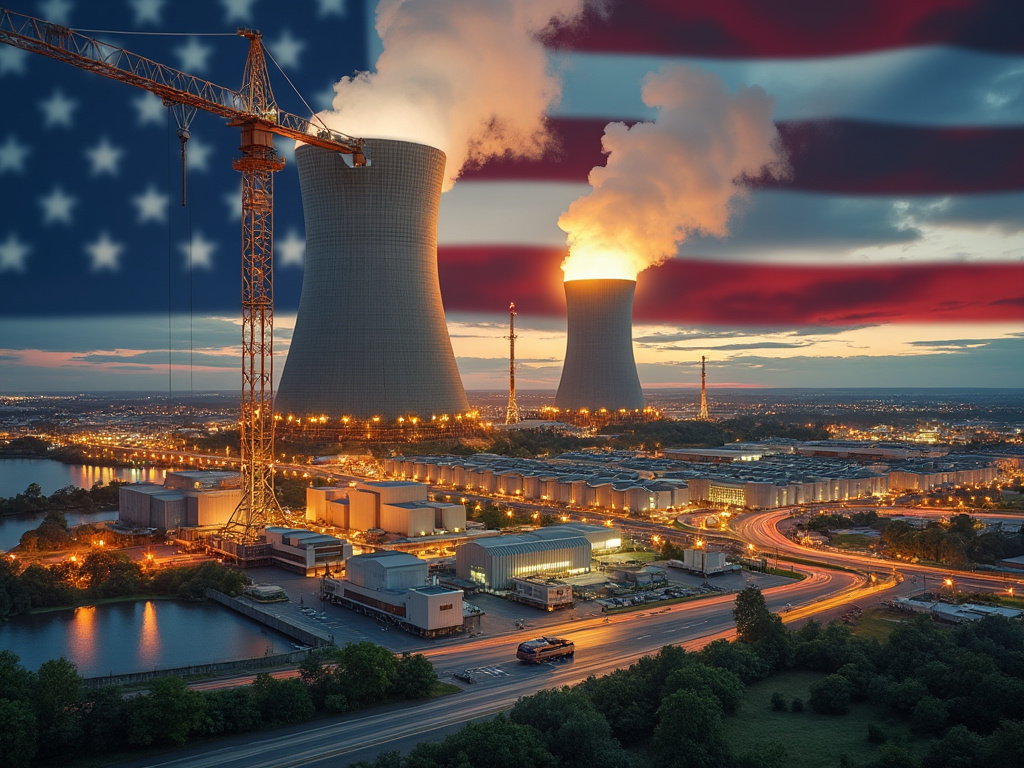
Washington — President Donald Trump signed four executive orders on Friday aimed at expediting the construction of nuclear power plants in the United States, including the implementation of small, advanced reactors designed for quicker deployment.
The orders come amid ongoing discussions about energy independence and the role of nuclear power in the nation’s energy mix.
One significant directive instructs the Nuclear Regulatory Commission (NRC), the independent body responsible for overseeing nuclear safety, to streamline its regulatory framework.
This order mandates that the NRC complete application reviews for new reactors within a maximum timeframe of 18 months.
In addition, the president's order encourages the NRC to evaluate options for lowering safety limits related to radiation exposure, asserting that current regulations exceed those necessary for the protection of public health.
The call for a review of safety standards is particularly noteworthy as it raises dialogue about radiation risk assessments, particularly in the context of modern reactor designs that proponents claim incorporate advanced safety features.
The four executive orders collectively aim to enhance the feasibility and attractiveness of nuclear energy as a component of the U.S. energy strategy, promoting nuclear power as a cleaner alternative to fossil fuels.
The initiative reflects a broader trend in U.S. energy policy, where nuclear energy is viewed as a potential key player in addressing climate change through reduced greenhouse gas emissions.
The push for faster construction and approval processes for nuclear facilities aligns with the administration’s efforts to increase energy production domestically.
Supporters of the initiative argue that nuclear power can provide a stable and low-carbon energy source while reducing reliance on foreign oil.
However, the move has sparked concerns among environmental groups and some experts regarding safety, waste management, and the long-term impacts on communities surrounding nuclear facilities.
The orders come at a time when nuclear energy faces stiff competition from rapidly advancing renewable energy sources such as solar and wind, which continue to drop in cost and scale.
Critics of the administration's nuclear agenda emphasize the need for careful consideration of safety and environmental implications associated with nuclear energy development.
This development marks a significant moment in U.S. energy policy as it seeks engagement with the future of nuclear energy amid changing global energy dynamics.
The orders come amid ongoing discussions about energy independence and the role of nuclear power in the nation’s energy mix.
One significant directive instructs the Nuclear Regulatory Commission (NRC), the independent body responsible for overseeing nuclear safety, to streamline its regulatory framework.
This order mandates that the NRC complete application reviews for new reactors within a maximum timeframe of 18 months.
In addition, the president's order encourages the NRC to evaluate options for lowering safety limits related to radiation exposure, asserting that current regulations exceed those necessary for the protection of public health.
The call for a review of safety standards is particularly noteworthy as it raises dialogue about radiation risk assessments, particularly in the context of modern reactor designs that proponents claim incorporate advanced safety features.
The four executive orders collectively aim to enhance the feasibility and attractiveness of nuclear energy as a component of the U.S. energy strategy, promoting nuclear power as a cleaner alternative to fossil fuels.
The initiative reflects a broader trend in U.S. energy policy, where nuclear energy is viewed as a potential key player in addressing climate change through reduced greenhouse gas emissions.
The push for faster construction and approval processes for nuclear facilities aligns with the administration’s efforts to increase energy production domestically.
Supporters of the initiative argue that nuclear power can provide a stable and low-carbon energy source while reducing reliance on foreign oil.
However, the move has sparked concerns among environmental groups and some experts regarding safety, waste management, and the long-term impacts on communities surrounding nuclear facilities.
The orders come at a time when nuclear energy faces stiff competition from rapidly advancing renewable energy sources such as solar and wind, which continue to drop in cost and scale.
Critics of the administration's nuclear agenda emphasize the need for careful consideration of safety and environmental implications associated with nuclear energy development.
This development marks a significant moment in U.S. energy policy as it seeks engagement with the future of nuclear energy amid changing global energy dynamics.
AI Disclaimer: An advanced artificial intelligence (AI) system generated the content of this page on its own. This innovative technology conducts extensive research from a variety of reliable sources, performs rigorous fact-checking and verification, cleans up and balances biased or manipulated content, and presents a minimal factual summary that is just enough yet essential for you to function as an informed and educated citizen. Please keep in mind, however, that this system is an evolving technology, and as a result, the article may contain accidental inaccuracies or errors. We urge you to help us improve our site by reporting any inaccuracies you find using the "Contact Us" link at the bottom of this page. Your helpful feedback helps us improve our system and deliver more precise content. When you find an article of interest here, please look for the full and extensive coverage of this topic in traditional news sources, as they are written by professional journalists that we try to support, not replace. We appreciate your understanding and assistance.