Understanding Panic Buying: What Drives Consumers to Stockpile in Times of Uncertainty
Psychological triggers, social cues, and perceived scarcity fuel sudden surges in consumer hoarding behavior
Episodes of panic buying continue to emerge during periods of uncertainty, revealing a complex interplay of psychological, social, and environmental factors that drive consumers to stockpile essential goods.
At the core of the behaviour is a heightened perception of risk.
When individuals sense potential disruption—whether from natural disasters, economic instability, or public health concerns—they often respond by seeking control over their immediate environment.
Purchasing and storing supplies becomes a tangible way to reduce anxiety and regain a sense of preparedness.
Scarcity, whether real or perceived, plays a decisive role.
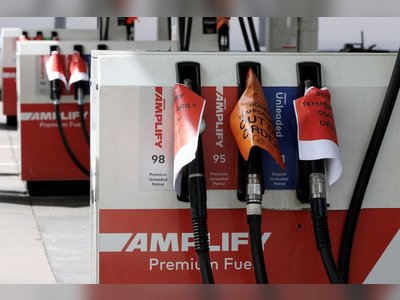
Empty shelves or limited stock can act as powerful visual signals that prompt further buying, reinforcing a cycle in which demand rapidly outpaces supply.
Even when shortages are temporary, the perception of dwindling availability can trigger widespread hoarding.
Social influence also contributes significantly.
Observing others buying in large quantities—either in person or through media coverage—can validate and amplify the behaviour.
This herd response often leads individuals to act pre-emptively, fearing they may otherwise be left without essential items.
Cognitive biases further intensify the response.
People tend to overestimate the likelihood of worst-case scenarios while underestimating the resilience of supply chains.
In uncertain situations, immediate action is often prioritised over rational assessment, particularly when basic necessities are involved.
Efforts to curb panic buying have focused on clear communication and reassurance.
Authorities and retailers that provide transparent updates about supply levels and logistics can help reduce uncertainty and discourage unnecessary stockpiling.
Visible restocking efforts and purchase limits are also commonly used to stabilise demand.
Behavioural insights suggest that fostering trust is critical.
When consumers feel confident that systems are functioning and that access to goods will be maintained, the impulse to hoard tends to diminish.
The persistence of panic buying highlights the importance of understanding human behaviour in times of stress, as well as the need for coordinated responses that address both practical supply issues and public perception.
At the core of the behaviour is a heightened perception of risk.
When individuals sense potential disruption—whether from natural disasters, economic instability, or public health concerns—they often respond by seeking control over their immediate environment.
Purchasing and storing supplies becomes a tangible way to reduce anxiety and regain a sense of preparedness.
Scarcity, whether real or perceived, plays a decisive role.
Empty shelves or limited stock can act as powerful visual signals that prompt further buying, reinforcing a cycle in which demand rapidly outpaces supply.
Even when shortages are temporary, the perception of dwindling availability can trigger widespread hoarding.
Social influence also contributes significantly.
Observing others buying in large quantities—either in person or through media coverage—can validate and amplify the behaviour.
This herd response often leads individuals to act pre-emptively, fearing they may otherwise be left without essential items.
Cognitive biases further intensify the response.
People tend to overestimate the likelihood of worst-case scenarios while underestimating the resilience of supply chains.
In uncertain situations, immediate action is often prioritised over rational assessment, particularly when basic necessities are involved.
Efforts to curb panic buying have focused on clear communication and reassurance.
Authorities and retailers that provide transparent updates about supply levels and logistics can help reduce uncertainty and discourage unnecessary stockpiling.
Visible restocking efforts and purchase limits are also commonly used to stabilise demand.
Behavioural insights suggest that fostering trust is critical.
When consumers feel confident that systems are functioning and that access to goods will be maintained, the impulse to hoard tends to diminish.
The persistence of panic buying highlights the importance of understanding human behaviour in times of stress, as well as the need for coordinated responses that address both practical supply issues and public perception.
AI Disclaimer: An advanced artificial intelligence (AI) system generated the content of this page on its own. This innovative technology conducts extensive research from a variety of reliable sources, performs rigorous fact-checking and verification, cleans up and balances biased or manipulated content, and presents a minimal factual summary that is just enough yet essential for you to function as an informed and educated citizen. Please keep in mind, however, that this system is an evolving technology, and as a result, the article may contain accidental inaccuracies or errors. We urge you to help us improve our site by reporting any inaccuracies you find using the "Contact Us" link at the bottom of this page. Your helpful feedback helps us improve our system and deliver more precise content. When you find an article of interest here, please look for the full and extensive coverage of this topic in traditional news sources, as they are written by professional journalists that we try to support, not replace. We appreciate your understanding and assistance.