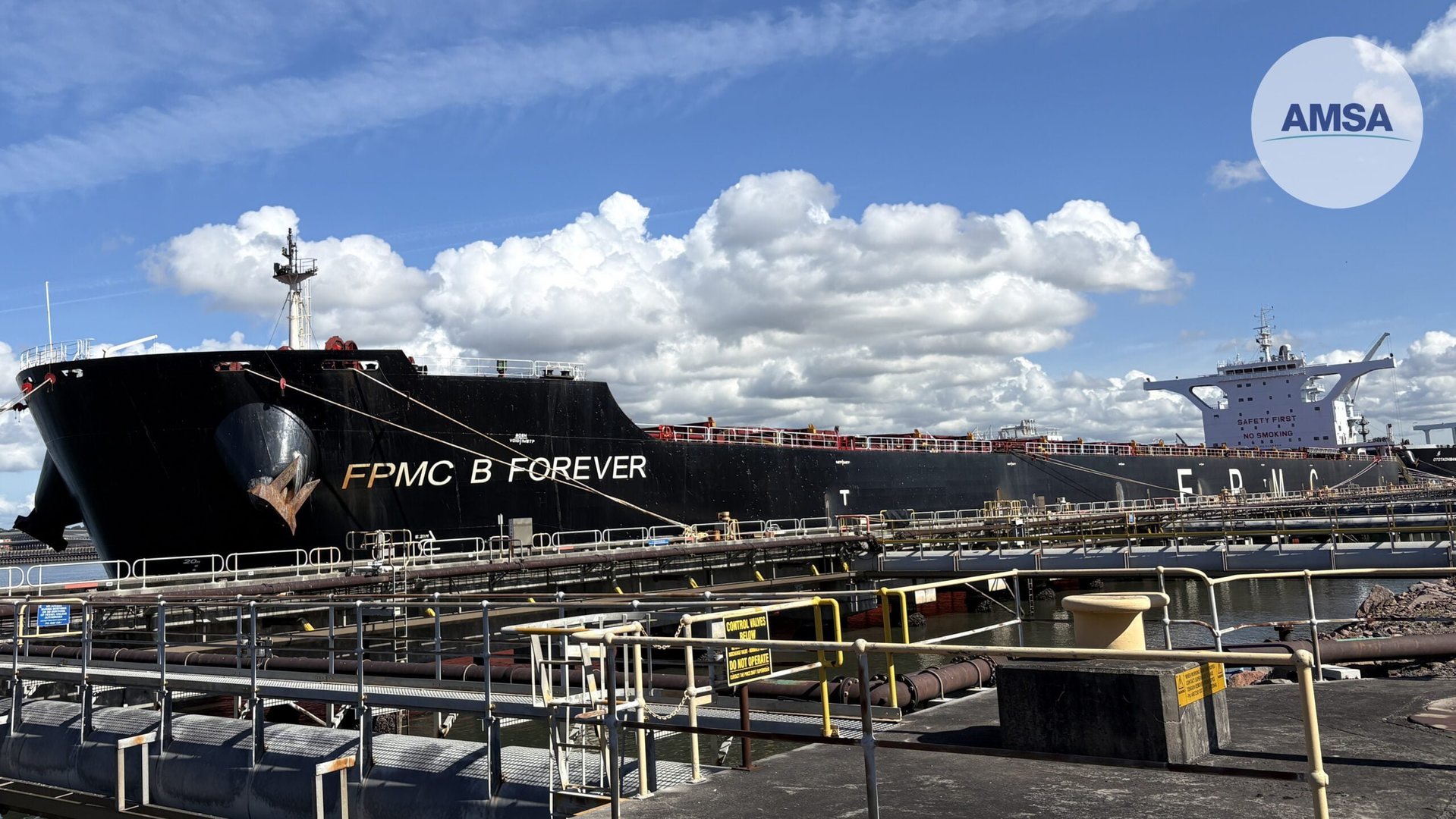
Australia Blocks Liberian-Flagged Bulk Carrier in Crackdown on Alleged Crew Exploitation
Authorities have barred a foreign bulk vessel from Australian ports amid allegations of unsafe conditions and labor violations, signaling stricter enforcement of maritime labor standards in global shipping routes.
Australia has taken enforcement action against a foreign-flagged bulk carrier, banning it from entering its ports following allegations of crew exploitation and breaches of international maritime labor standards.
The story is fundamentally system-driven.
The central issue is the enforcement of global shipping labor rules within a fragmented flag-state system, where vessels are registered under countries that may not directly oversee day-to-day working conditions at sea.
What is confirmed is that Australian maritime authorities have denied port access to a Liberian-flagged bulk carrier after identifying concerns related to crew welfare and compliance with international safety and labor regulations.
The decision reflects ongoing inspections and enforcement actions carried out under Australia’s port state control regime, which allows authorities to detain or restrict vessels that fail to meet minimum safety or labor standards.
Liberia is one of the world’s largest flag states in commercial shipping, meaning many vessels operating under its registry are owned and managed by companies based elsewhere.
This system, often referred to as “flags of convenience,” allows shipowners to register vessels in jurisdictions with lower regulatory costs or different enforcement structures.
The alleged issues in cases of this kind typically involve excessive working hours, delayed or withheld wages, inadequate living conditions, insufficient food or medical access, and safety violations that fall short of international maritime labor conventions.
Authorities do not treat such conditions as isolated workplace disputes but as potential breaches of binding global shipping rules.
Australia’s intervention reflects its broader enforcement approach under international maritime conventions, which give coastal states authority to inspect foreign vessels entering their ports.
Ships can be detained, denied entry or required to rectify deficiencies before continuing operations.
The crackdown comes amid increasing global scrutiny of labor conditions in shipping, a sector that moves the vast majority of global trade but often relies on complex ownership structures and multinational crews working under differing legal regimes.
Crew welfare issues have become a recurring concern in the industry, particularly during periods of economic pressure, supply chain disruption and geopolitical tension, which can increase contract instability and reduce oversight.
Maritime unions and labor organizations have long argued that enforcement gaps allow exploitative conditions to persist, particularly on vessels registered in open registries where oversight is weaker or more remote from the ship’s operating company.
Australia’s port state control system is part of a wider network of inspections coordinated internationally to standardize enforcement of safety and labor rules.
However, enforcement levels vary significantly between jurisdictions, creating uneven accountability across global shipping routes.
For shipping operators, detention or port bans can be costly.
Vessels delayed from entering ports face scheduling disruptions, financial penalties and reputational damage, especially when linked to allegations of labor exploitation or safety violations.
The decision also carries broader implications for trade flows.
Australia is a major exporter of bulk commodities such as iron ore, coal and agricultural products, meaning access to its ports is essential for global shipping companies operating in the Asia-Pacific region.
Regulators argue that strict enforcement is necessary to ensure that commercial shipping does not rely on degraded labor conditions.
Critics of weak enforcement frameworks say that without visible consequences, violations of international maritime labor standards can persist without meaningful deterrence.
The action against the Liberian-flagged vessel signals continued tightening of inspection standards and reflects a broader trend of coastal states using port access as leverage to enforce compliance in an industry that is structurally global but legally fragmented.
The immediate consequence is that the vessel remains barred from Australian ports until identified issues are addressed to the satisfaction of authorities, reinforcing the principle that access to major trading hubs depends on compliance with international labor and safety obligations.
The story is fundamentally system-driven.
The central issue is the enforcement of global shipping labor rules within a fragmented flag-state system, where vessels are registered under countries that may not directly oversee day-to-day working conditions at sea.
What is confirmed is that Australian maritime authorities have denied port access to a Liberian-flagged bulk carrier after identifying concerns related to crew welfare and compliance with international safety and labor regulations.
The decision reflects ongoing inspections and enforcement actions carried out under Australia’s port state control regime, which allows authorities to detain or restrict vessels that fail to meet minimum safety or labor standards.
Liberia is one of the world’s largest flag states in commercial shipping, meaning many vessels operating under its registry are owned and managed by companies based elsewhere.
This system, often referred to as “flags of convenience,” allows shipowners to register vessels in jurisdictions with lower regulatory costs or different enforcement structures.
The alleged issues in cases of this kind typically involve excessive working hours, delayed or withheld wages, inadequate living conditions, insufficient food or medical access, and safety violations that fall short of international maritime labor conventions.
Authorities do not treat such conditions as isolated workplace disputes but as potential breaches of binding global shipping rules.
Australia’s intervention reflects its broader enforcement approach under international maritime conventions, which give coastal states authority to inspect foreign vessels entering their ports.
Ships can be detained, denied entry or required to rectify deficiencies before continuing operations.
The crackdown comes amid increasing global scrutiny of labor conditions in shipping, a sector that moves the vast majority of global trade but often relies on complex ownership structures and multinational crews working under differing legal regimes.
Crew welfare issues have become a recurring concern in the industry, particularly during periods of economic pressure, supply chain disruption and geopolitical tension, which can increase contract instability and reduce oversight.
Maritime unions and labor organizations have long argued that enforcement gaps allow exploitative conditions to persist, particularly on vessels registered in open registries where oversight is weaker or more remote from the ship’s operating company.
Australia’s port state control system is part of a wider network of inspections coordinated internationally to standardize enforcement of safety and labor rules.
However, enforcement levels vary significantly between jurisdictions, creating uneven accountability across global shipping routes.
For shipping operators, detention or port bans can be costly.
Vessels delayed from entering ports face scheduling disruptions, financial penalties and reputational damage, especially when linked to allegations of labor exploitation or safety violations.
The decision also carries broader implications for trade flows.
Australia is a major exporter of bulk commodities such as iron ore, coal and agricultural products, meaning access to its ports is essential for global shipping companies operating in the Asia-Pacific region.
Regulators argue that strict enforcement is necessary to ensure that commercial shipping does not rely on degraded labor conditions.
Critics of weak enforcement frameworks say that without visible consequences, violations of international maritime labor standards can persist without meaningful deterrence.
The action against the Liberian-flagged vessel signals continued tightening of inspection standards and reflects a broader trend of coastal states using port access as leverage to enforce compliance in an industry that is structurally global but legally fragmented.
The immediate consequence is that the vessel remains barred from Australian ports until identified issues are addressed to the satisfaction of authorities, reinforcing the principle that access to major trading hubs depends on compliance with international labor and safety obligations.
AI Disclaimer: An advanced artificial intelligence (AI) system generated the content of this page on its own. This innovative technology conducts extensive research from a variety of reliable sources, performs rigorous fact-checking and verification, cleans up and balances biased or manipulated content, and presents a minimal factual summary that is just enough yet essential for you to function as an informed and educated citizen. Please keep in mind, however, that this system is an evolving technology, and as a result, the article may contain accidental inaccuracies or errors. We urge you to help us improve our site by reporting any inaccuracies you find using the "Contact Us" link at the bottom of this page. Your helpful feedback helps us improve our system and deliver more precise content. When you find an article of interest here, please look for the full and extensive coverage of this topic in traditional news sources, as they are written by professional journalists that we try to support, not replace. We appreciate your understanding and assistance.