Royal Children Name Australia Zoo Kangaroo in Carefully Staged Conservation Push
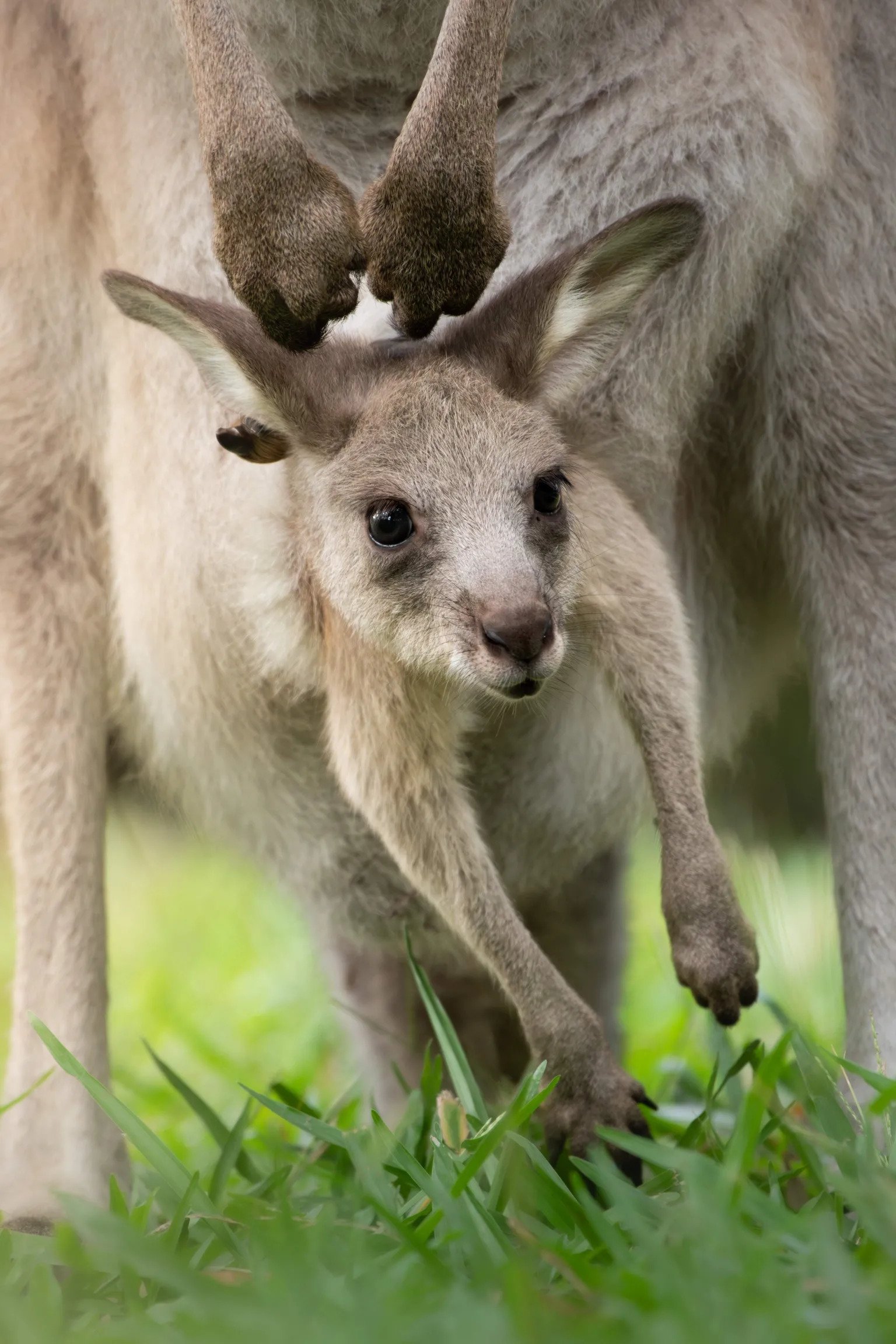
Prince George, Princess Charlotte and Prince Louis chose the Welsh name “Cwtch” for a baby eastern grey kangaroo as Australia Zoo and the Wales family deepened a public environmental partnership tied to wildlife advocacy.
Australia Zoo and the Prince and Princess of Wales used a small but highly coordinated public moment this week to reinforce a broader conservation message, announcing that Prince George, Princess Charlotte and Prince Louis had named a baby eastern grey kangaroo “Cwtch,” a Welsh word meaning “cuddle.”
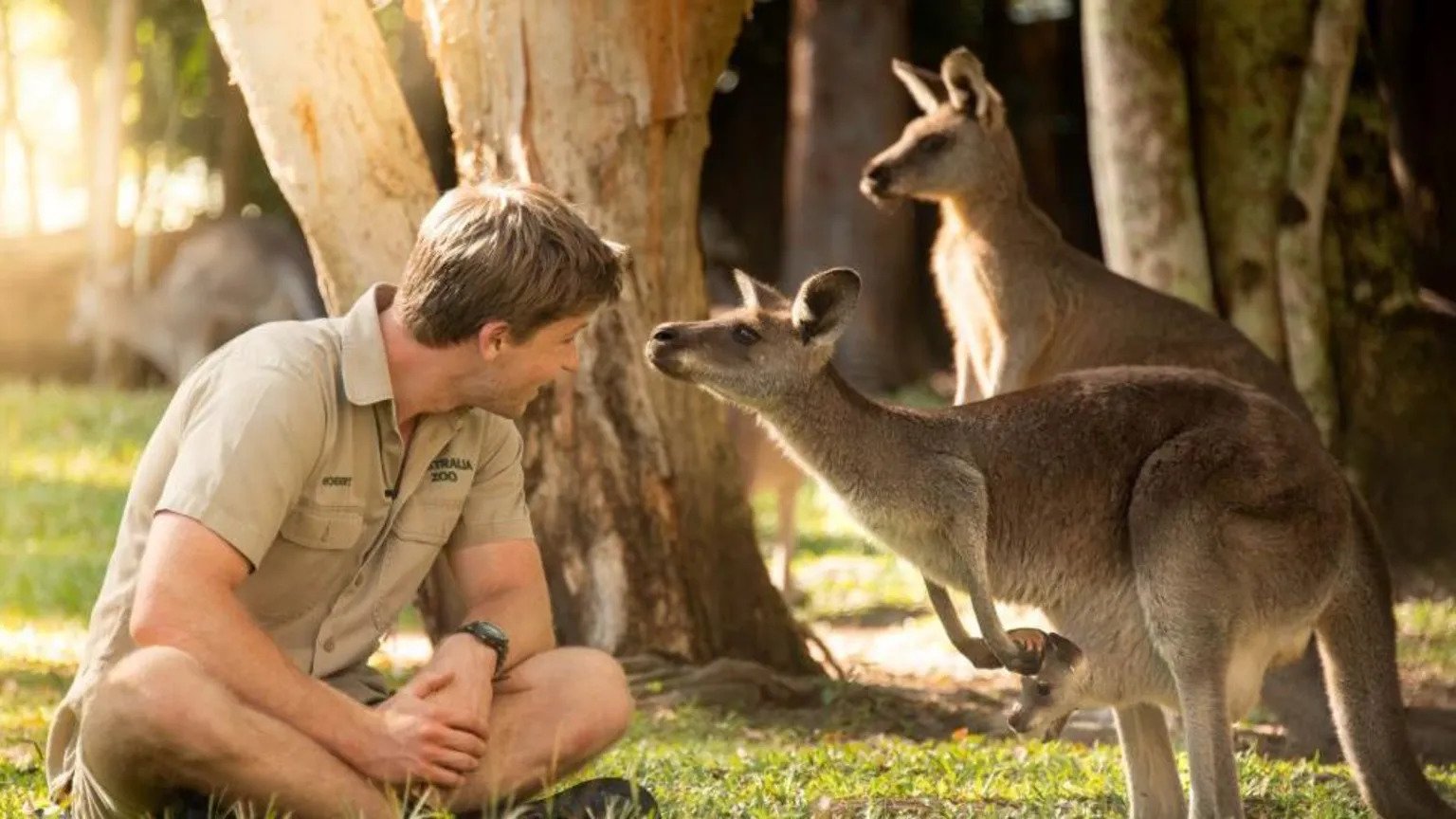
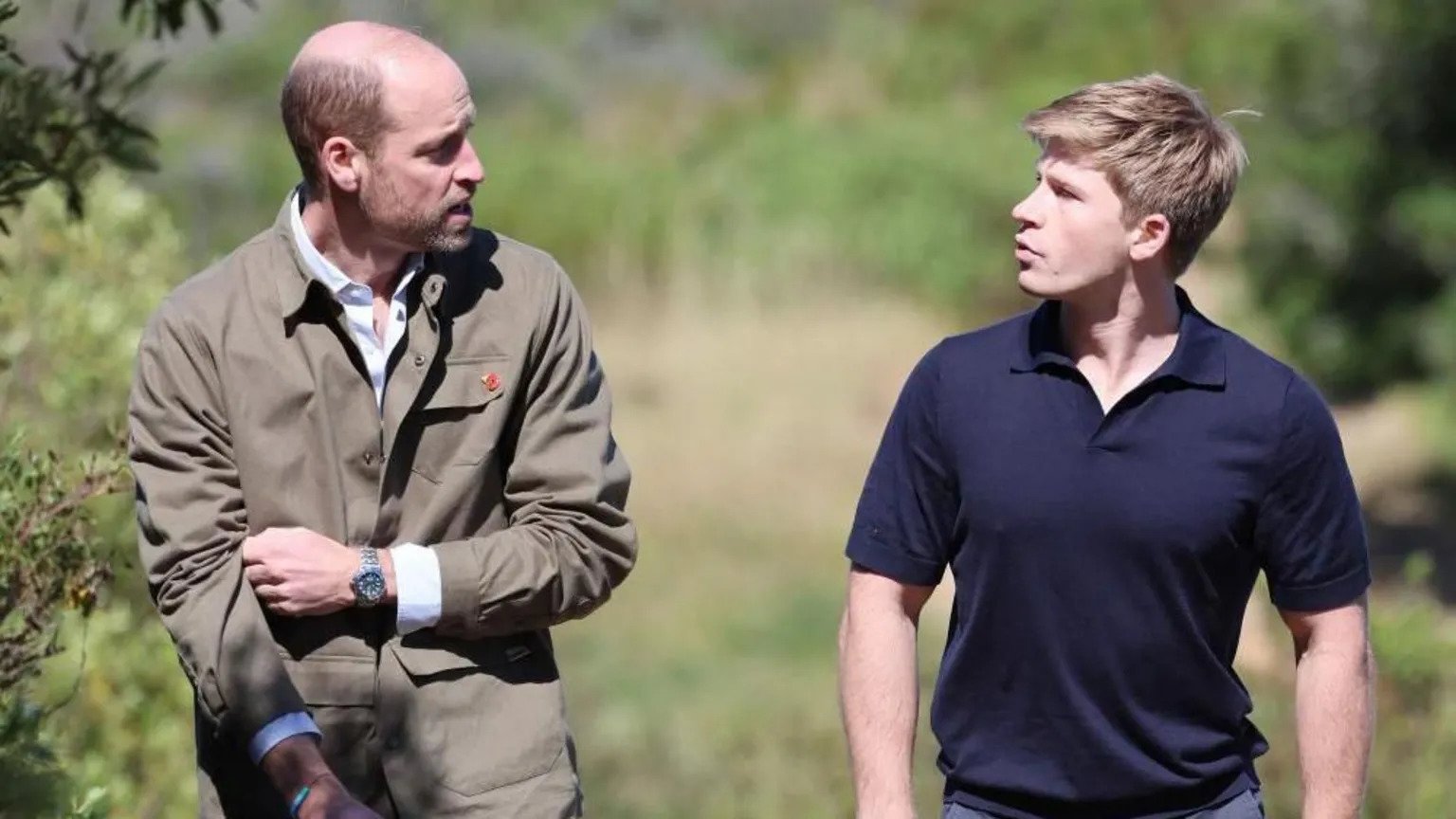
The joey’s name was revealed by conservationist Robert Irwin in a social media video filmed at the Queensland zoo founded by the late Steve Irwin.
Irwin said the Wales children selected the name because young kangaroos spend much of their early lives inside their mother’s pouch and are known for close physical bonding behavior at that stage of development.
What is confirmed is that the naming initiative was jointly promoted by Australia Zoo and the social media channels associated with Prince William and Catherine.
The collaboration was not presented as a private family gesture.
It was structured as a public conservation campaign aimed at linking the British royal family’s environmental branding with one of Australia’s best-known wildlife institutions.
The story is fundamentally actor-driven.
The key relationship is between the Wales family and Robert Irwin, who has increasingly emerged as an internationally visible conservation advocate in his own right.
Irwin already serves as an ambassador connected to Prince William’s Earthshot environmental initiative, which seeks to elevate climate and conservation projects through celebrity-backed global visibility.
The choice of the name itself carried symbolic political and cultural messaging.
“Cwtch” is a distinctly Welsh term, reinforcing William and Catherine’s titles as Prince and Princess of Wales while projecting a softer and more family-oriented public image.
The naming also subtly positioned the royal children within that identity.
Public royal appearances involving George, Charlotte and Louis remain tightly controlled, making even small engagements part of a larger strategy around generational continuity and public perception.
Australia Zoo also gains from the arrangement.
The facility operates as both a wildlife institution and a global media brand built on the Irwin family legacy.
High-profile royal association provides international attention that can translate into tourism, fundraising, and wider exposure for conservation campaigns tied to native Australian species.
Kangaroos occupy an unusual place in Australia’s environmental debate.
They are national symbols and major tourism assets, but they are also at the center of contentious discussions involving habitat pressure, road collisions, commercial harvesting and land management policy.
Wildlife organizations have long argued that public emotional attachment to iconic species is essential for sustaining conservation funding and political attention.
The eastern grey kangaroo species itself is not currently classified as endangered.
However, conservation groups continue to warn that broader ecological pressures across Australia — including land clearing, climate stress, drought cycles and urban expansion — are reshaping habitats for many native animals.
Zoos increasingly frame public engagement campaigns around emotional familiarity rather than technical conservation language because those campaigns consistently produce stronger public response.
The event also reflects a broader shift in royal communications strategy.
Younger members of the royal family are now frequently introduced through controlled digital content rather than formal public appearances alone.
Short videos, collaborative online campaigns and wildlife-focused messaging allow the monarchy to appear modern, informal and internationally connected while avoiding the risks associated with direct political engagement.
For Prince William, environmental advocacy has become one of the clearest defining themes of his public role.
The Earthshot initiative has expanded his network of environmental partners across multiple countries, including Australia.
Robert Irwin’s involvement strengthens that international ecosystem by connecting celebrity conservation culture with royal environmental branding.
The announcement generated rapid attention across British, Australian and international media largely because it combined three durable public interests: the royal children, the Irwin family and Australian wildlife.
Online reaction was overwhelmingly positive, with much of the public response focused on the unusual Welsh name and the visibility of the young royals.
The practical outcome is straightforward.
Australia Zoo has gained another globally recognizable conservation mascot, the Wales family has reinforced its environmental positioning through a low-risk public engagement, and Robert Irwin has further consolidated his role as a bridge between wildlife advocacy and international celebrity-driven campaigning.
The joey’s name was revealed by conservationist Robert Irwin in a social media video filmed at the Queensland zoo founded by the late Steve Irwin.
Irwin said the Wales children selected the name because young kangaroos spend much of their early lives inside their mother’s pouch and are known for close physical bonding behavior at that stage of development.
What is confirmed is that the naming initiative was jointly promoted by Australia Zoo and the social media channels associated with Prince William and Catherine.
The collaboration was not presented as a private family gesture.
It was structured as a public conservation campaign aimed at linking the British royal family’s environmental branding with one of Australia’s best-known wildlife institutions.
The story is fundamentally actor-driven.
The key relationship is between the Wales family and Robert Irwin, who has increasingly emerged as an internationally visible conservation advocate in his own right.
Irwin already serves as an ambassador connected to Prince William’s Earthshot environmental initiative, which seeks to elevate climate and conservation projects through celebrity-backed global visibility.
The choice of the name itself carried symbolic political and cultural messaging.
“Cwtch” is a distinctly Welsh term, reinforcing William and Catherine’s titles as Prince and Princess of Wales while projecting a softer and more family-oriented public image.
The naming also subtly positioned the royal children within that identity.
Public royal appearances involving George, Charlotte and Louis remain tightly controlled, making even small engagements part of a larger strategy around generational continuity and public perception.
Australia Zoo also gains from the arrangement.
The facility operates as both a wildlife institution and a global media brand built on the Irwin family legacy.
High-profile royal association provides international attention that can translate into tourism, fundraising, and wider exposure for conservation campaigns tied to native Australian species.
Kangaroos occupy an unusual place in Australia’s environmental debate.
They are national symbols and major tourism assets, but they are also at the center of contentious discussions involving habitat pressure, road collisions, commercial harvesting and land management policy.
Wildlife organizations have long argued that public emotional attachment to iconic species is essential for sustaining conservation funding and political attention.
The eastern grey kangaroo species itself is not currently classified as endangered.
However, conservation groups continue to warn that broader ecological pressures across Australia — including land clearing, climate stress, drought cycles and urban expansion — are reshaping habitats for many native animals.
Zoos increasingly frame public engagement campaigns around emotional familiarity rather than technical conservation language because those campaigns consistently produce stronger public response.
The event also reflects a broader shift in royal communications strategy.
Younger members of the royal family are now frequently introduced through controlled digital content rather than formal public appearances alone.
Short videos, collaborative online campaigns and wildlife-focused messaging allow the monarchy to appear modern, informal and internationally connected while avoiding the risks associated with direct political engagement.
For Prince William, environmental advocacy has become one of the clearest defining themes of his public role.
The Earthshot initiative has expanded his network of environmental partners across multiple countries, including Australia.
Robert Irwin’s involvement strengthens that international ecosystem by connecting celebrity conservation culture with royal environmental branding.
The announcement generated rapid attention across British, Australian and international media largely because it combined three durable public interests: the royal children, the Irwin family and Australian wildlife.
Online reaction was overwhelmingly positive, with much of the public response focused on the unusual Welsh name and the visibility of the young royals.
The practical outcome is straightforward.
Australia Zoo has gained another globally recognizable conservation mascot, the Wales family has reinforced its environmental positioning through a low-risk public engagement, and Robert Irwin has further consolidated his role as a bridge between wildlife advocacy and international celebrity-driven campaigning.
AI Disclaimer: An advanced artificial intelligence (AI) system generated the content of this page on its own. This innovative technology conducts extensive research from a variety of reliable sources, performs rigorous fact-checking and verification, cleans up and balances biased or manipulated content, and presents a minimal factual summary that is just enough yet essential for you to function as an informed and educated citizen. Please keep in mind, however, that this system is an evolving technology, and as a result, the article may contain accidental inaccuracies or errors. We urge you to help us improve our site by reporting any inaccuracies you find using the "Contact Us" link at the bottom of this page. Your helpful feedback helps us improve our system and deliver more precise content. When you find an article of interest here, please look for the full and extensive coverage of this topic in traditional news sources, as they are written by professional journalists that we try to support, not replace. We appreciate your understanding and assistance.