Australia Moves Toward Mandatory Domestic Gas Reservation as East Coast Energy Pressure Intensifies
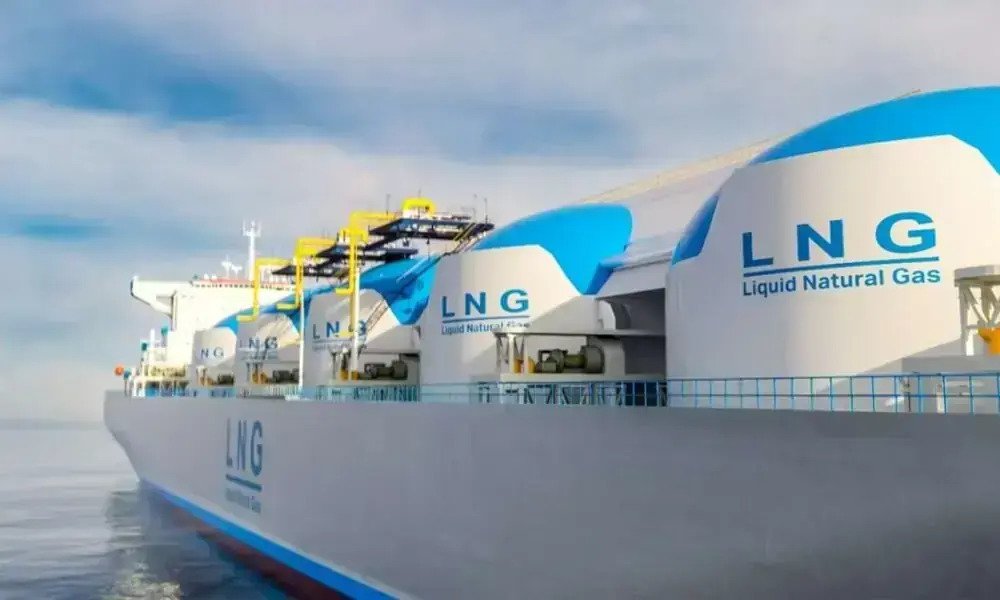
Canberra is preparing rules that would require liquefied natural gas exporters to reserve part of future production for domestic use, marking one of the country’s most interventionist energy market shifts in decades.
The Australian government is advancing a policy framework that would require new liquefied natural gas export projects to reserve part of their gas supply for the domestic east coast market, a major escalation in Canberra’s attempt to contain energy shortages and industrial price pressure.
The story is fundamentally system-driven.
The central issue is the structural failure of Australia’s east coast gas market, where one of the world’s largest liquefied natural gas exporters has simultaneously faced domestic supply insecurity and volatile energy prices.
What is confirmed is that the federal government has proposed requiring future export developments to make up to twenty percent of gas available for domestic consumption before receiving export approvals.
The mechanism is intended to increase long-term supply into the east coast market, where manufacturers, electricity producers and households have faced repeated warnings of shortfalls.
The proposal represents a significant policy shift because Australia historically favored market-led energy exports with relatively limited direct intervention.
The east coast gas market changed fundamentally after large liquefied natural gas export terminals began operating in Queensland during the previous decade.
Those projects linked domestic gas prices more closely to international markets and sharply increased competition for supply.
The practical consequence was politically explosive.
Australia became one of the world’s largest liquefied natural gas exporters while domestic users simultaneously faced soaring energy costs and supply instability.
Manufacturers repeatedly argued they were being forced to compete against export buyers for Australian gas extracted within Australia itself.
The government’s intervention is designed to address that imbalance.
Under the proposed framework, reservation obligations would primarily apply to new developments rather than retroactively imposing requirements on existing export contracts.
Officials are attempting to increase future domestic supply without triggering broader investor panic across the resources sector.
The east coast market has become particularly vulnerable because of declining production from older southern gas basins combined with rising seasonal demand.
Forecasts from energy authorities have repeatedly warned of potential shortfalls in southern states later this decade unless new supply enters the system or demand falls materially.
Gas remains deeply embedded in Australia’s energy system despite rapid renewable energy growth.
It plays a critical role in electricity generation during peak demand periods and supports industries including chemicals, fertilizer, food processing, mining and manufacturing.
High gas prices therefore affect not only household utility bills but also broader industrial competitiveness.
The policy debate has intensified around the role of export producers.
Critics argue the east coast market became distorted because exporters locked in massive overseas contracts before sufficient domestic safeguards existed.
Supporters of the industry counter that export investment generated billions of dollars in economic activity, taxes and employment while helping Australia become a strategic energy supplier to Asia.
Western Australia already operates a separate domestic gas reservation system requiring export projects to dedicate part of production to the local market.
That policy is widely viewed as one reason Western Australia has historically experienced lower and more stable domestic gas prices than the eastern states.
The federal government is now effectively borrowing elements of that model while attempting to adapt them to the more fragmented east coast system.
The challenge is substantially harder because infrastructure, ownership structures and existing contracts differ significantly across the eastern market.
Exporters and industry groups have warned that aggressive intervention risks discouraging investment in new gas developments.
The economics of large liquefied natural gas projects depend on long-term certainty, and investors closely monitor sovereign policy risk when allocating capital.
At the same time, political tolerance for high energy prices has weakened sharply.
Energy affordability became a central issue after global gas disruptions following Russia’s invasion of Ukraine pushed international prices dramatically higher.
Although prices later eased, the shock accelerated pressure on governments to prioritize domestic energy security over unrestricted export exposure.
The proposal also intersects with Australia’s broader energy transition strategy.
Gas producers argue new supply is necessary to support grid reliability as coal-fired power stations retire.
Environmental groups counter that expanding long-term gas infrastructure risks slowing decarbonization efforts and locking in future fossil fuel dependence.
The government is attempting to balance those competing pressures through what it describes as a transitional framework: securing enough domestic gas to stabilize industry and electricity markets while simultaneously expanding renewable generation and storage capacity.
The international implications are substantial because Australia is a major supplier to Asian economies including Japan, South Korea and China.
Any perception of tighter export controls is closely watched across regional energy markets.
Even so, Canberra’s political calculation appears increasingly clear.
Domestic energy reliability and affordability are now being treated as strategic priorities rather than secondary considerations behind export maximization.
The practical effect is already reshaping investment planning across the gas sector.
Future export projects targeting the east coast market will likely need to incorporate domestic reservation commitments directly into financing, development and approval strategies before production begins.
The story is fundamentally system-driven.
The central issue is the structural failure of Australia’s east coast gas market, where one of the world’s largest liquefied natural gas exporters has simultaneously faced domestic supply insecurity and volatile energy prices.
What is confirmed is that the federal government has proposed requiring future export developments to make up to twenty percent of gas available for domestic consumption before receiving export approvals.
The mechanism is intended to increase long-term supply into the east coast market, where manufacturers, electricity producers and households have faced repeated warnings of shortfalls.
The proposal represents a significant policy shift because Australia historically favored market-led energy exports with relatively limited direct intervention.
The east coast gas market changed fundamentally after large liquefied natural gas export terminals began operating in Queensland during the previous decade.
Those projects linked domestic gas prices more closely to international markets and sharply increased competition for supply.
The practical consequence was politically explosive.
Australia became one of the world’s largest liquefied natural gas exporters while domestic users simultaneously faced soaring energy costs and supply instability.
Manufacturers repeatedly argued they were being forced to compete against export buyers for Australian gas extracted within Australia itself.
The government’s intervention is designed to address that imbalance.
Under the proposed framework, reservation obligations would primarily apply to new developments rather than retroactively imposing requirements on existing export contracts.
Officials are attempting to increase future domestic supply without triggering broader investor panic across the resources sector.
The east coast market has become particularly vulnerable because of declining production from older southern gas basins combined with rising seasonal demand.
Forecasts from energy authorities have repeatedly warned of potential shortfalls in southern states later this decade unless new supply enters the system or demand falls materially.
Gas remains deeply embedded in Australia’s energy system despite rapid renewable energy growth.
It plays a critical role in electricity generation during peak demand periods and supports industries including chemicals, fertilizer, food processing, mining and manufacturing.
High gas prices therefore affect not only household utility bills but also broader industrial competitiveness.
The policy debate has intensified around the role of export producers.
Critics argue the east coast market became distorted because exporters locked in massive overseas contracts before sufficient domestic safeguards existed.
Supporters of the industry counter that export investment generated billions of dollars in economic activity, taxes and employment while helping Australia become a strategic energy supplier to Asia.
Western Australia already operates a separate domestic gas reservation system requiring export projects to dedicate part of production to the local market.
That policy is widely viewed as one reason Western Australia has historically experienced lower and more stable domestic gas prices than the eastern states.
The federal government is now effectively borrowing elements of that model while attempting to adapt them to the more fragmented east coast system.
The challenge is substantially harder because infrastructure, ownership structures and existing contracts differ significantly across the eastern market.
Exporters and industry groups have warned that aggressive intervention risks discouraging investment in new gas developments.
The economics of large liquefied natural gas projects depend on long-term certainty, and investors closely monitor sovereign policy risk when allocating capital.
At the same time, political tolerance for high energy prices has weakened sharply.
Energy affordability became a central issue after global gas disruptions following Russia’s invasion of Ukraine pushed international prices dramatically higher.
Although prices later eased, the shock accelerated pressure on governments to prioritize domestic energy security over unrestricted export exposure.
The proposal also intersects with Australia’s broader energy transition strategy.
Gas producers argue new supply is necessary to support grid reliability as coal-fired power stations retire.
Environmental groups counter that expanding long-term gas infrastructure risks slowing decarbonization efforts and locking in future fossil fuel dependence.
The government is attempting to balance those competing pressures through what it describes as a transitional framework: securing enough domestic gas to stabilize industry and electricity markets while simultaneously expanding renewable generation and storage capacity.
The international implications are substantial because Australia is a major supplier to Asian economies including Japan, South Korea and China.
Any perception of tighter export controls is closely watched across regional energy markets.
Even so, Canberra’s political calculation appears increasingly clear.
Domestic energy reliability and affordability are now being treated as strategic priorities rather than secondary considerations behind export maximization.
The practical effect is already reshaping investment planning across the gas sector.
Future export projects targeting the east coast market will likely need to incorporate domestic reservation commitments directly into financing, development and approval strategies before production begins.
AI Disclaimer: An advanced artificial intelligence (AI) system generated the content of this page on its own. This innovative technology conducts extensive research from a variety of reliable sources, performs rigorous fact-checking and verification, cleans up and balances biased or manipulated content, and presents a minimal factual summary that is just enough yet essential for you to function as an informed and educated citizen. Please keep in mind, however, that this system is an evolving technology, and as a result, the article may contain accidental inaccuracies or errors. We urge you to help us improve our site by reporting any inaccuracies you find using the "Contact Us" link at the bottom of this page. Your helpful feedback helps us improve our system and deliver more precise content. When you find an article of interest here, please look for the full and extensive coverage of this topic in traditional news sources, as they are written by professional journalists that we try to support, not replace. We appreciate your understanding and assistance.