Australia Detains Three Women Repatriated From Syrian Camps Over Alleged Islamic State Links
Federal police charged the women after their return from northeast Syria, underscoring the legal and security challenges facing Western governments repatriating citizens from detention camps tied to the collapse of Islamic State.
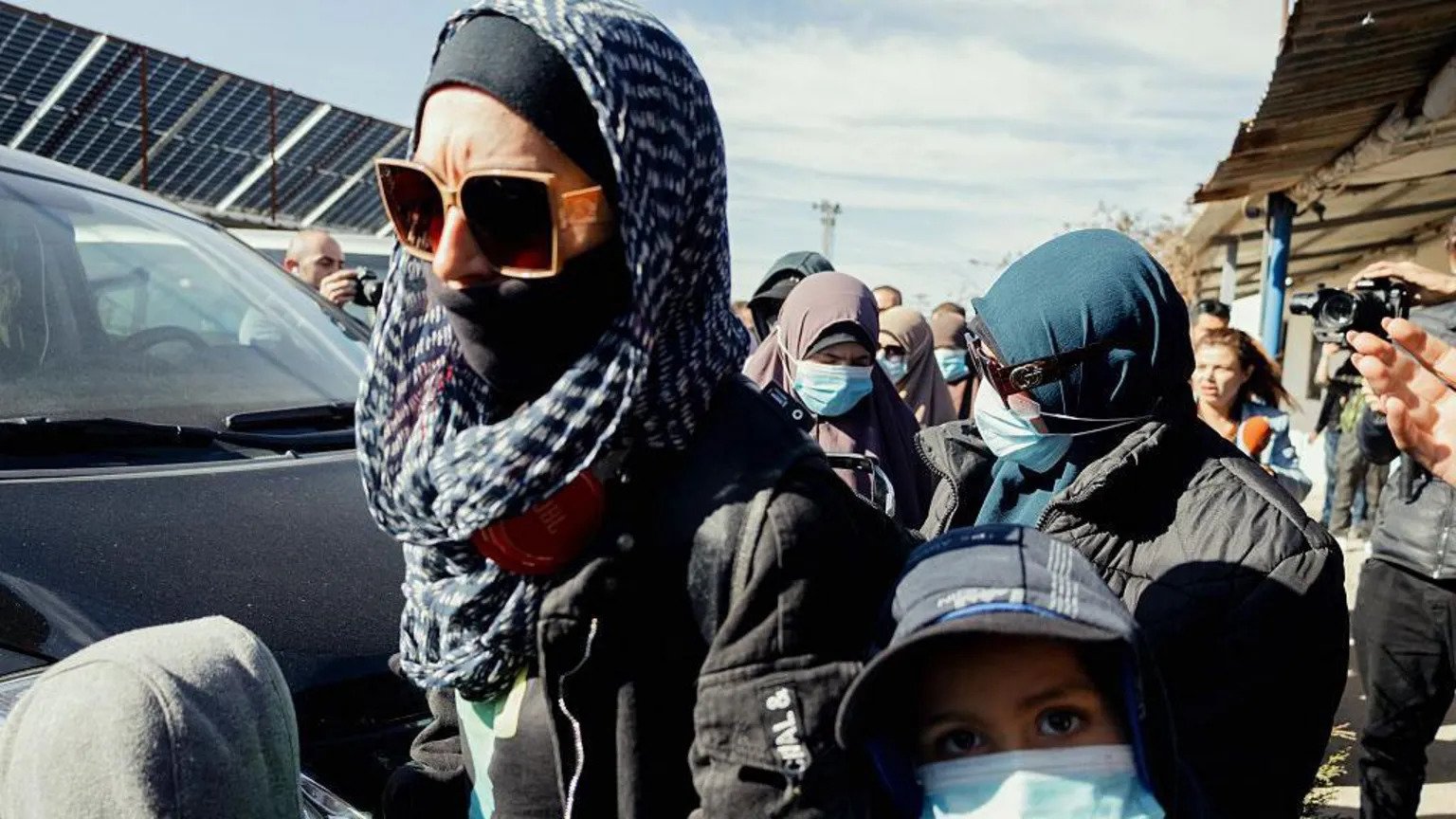
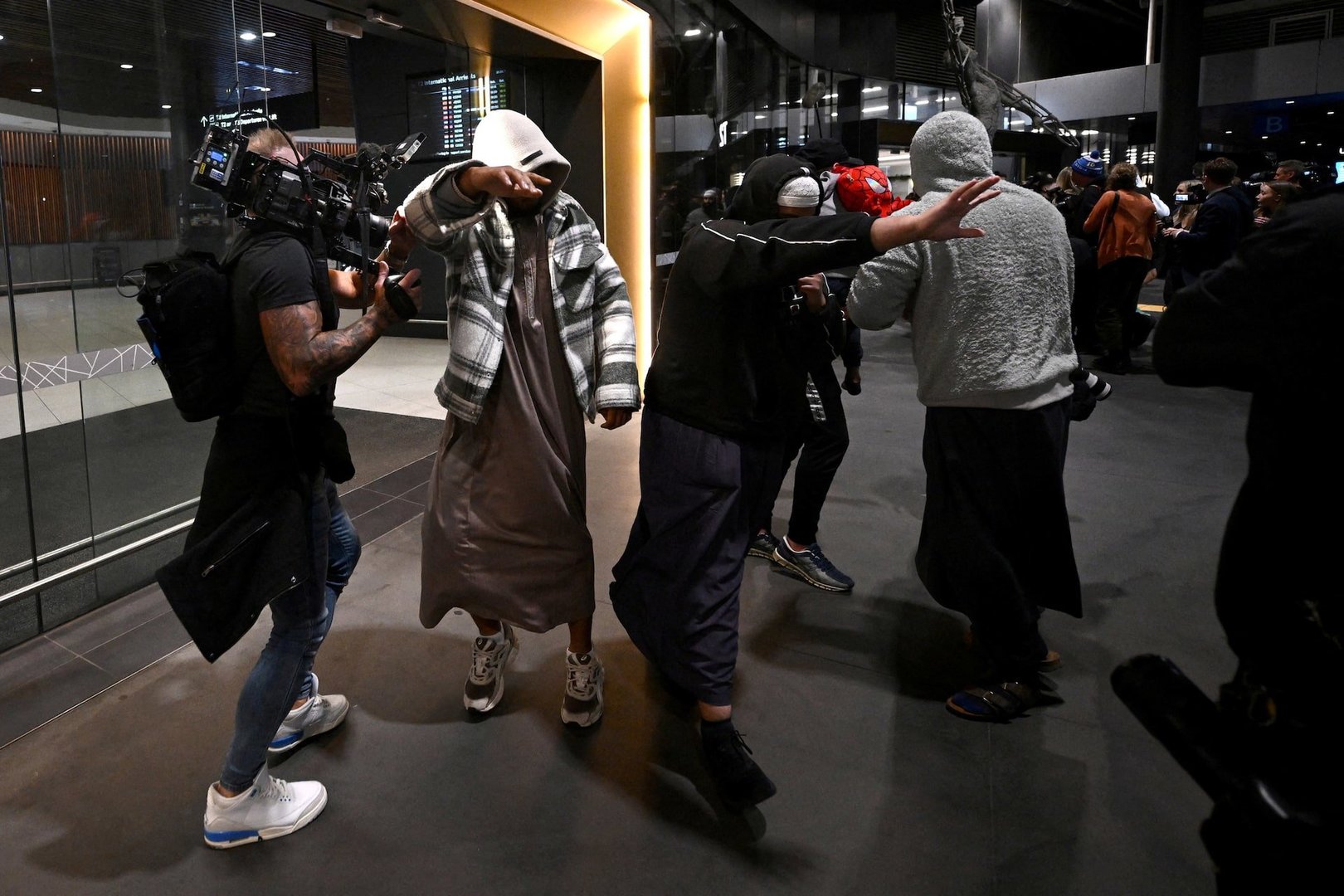
Australian authorities have arrested and charged three women repatriated from detention camps in northeast Syria over alleged links to Islamic State, marking one of the country’s most consequential domestic counterterrorism actions connected to the long aftermath of the Syrian conflict.
The story is fundamentally actor-driven.
The central issue is the Australian government’s management of citizens formerly associated with Islamic State territories and the legal, intelligence and political consequences of bringing them back from Syrian camps.
What is confirmed is that the women were taken into custody after returning to Australia from camps administered by Kurdish authorities in northeast Syria.
Federal police allege the women travelled to Syria during the Islamic State era and remained in areas controlled by the group.
Authorities announced terrorism-related charges tied to alleged membership or support activities connected to Islamic State.
The arrests follow years of political and security debate over whether Western countries should repatriate citizens held in Syrian detention facilities created after the territorial collapse of Islamic State.
Thousands of foreign women and children have remained in camps such as al-Hol and Roj under unstable humanitarian and security conditions.
Australia had long resisted large-scale repatriation efforts because of security concerns, public opposition and the operational difficulty of collecting evidence from a war zone.
The government gradually shifted position after intelligence agencies, humanitarian groups and international partners argued that indefinite camp detention created its own long-term security risks.
The camps themselves became increasingly volatile after Islamic State lost territorial control in Iraq and Syria.
Kurdish-led authorities repeatedly warned foreign governments that overcrowding, radicalization networks and weak resources made the facilities unsustainable.
Security officials feared the camps were evolving into incubators for future extremist recruitment.
The legal mechanism behind the Australian case is significant.
Counterterrorism laws introduced after the rise of Islamic State expanded the government’s ability to prosecute alleged involvement with declared terrorist organizations, including participation in designated conflict zones and support activities linked to extremist groups.
However, these prosecutions are operationally difficult.
Investigators must reconstruct movements, communications and conduct that allegedly occurred years earlier inside a fragmented war environment with limited forensic access.
Evidence collection often depends on intelligence material, digital records, witness testimony and international cooperation.
The women have not been convicted, and the allegations remain subject to court proceedings.
Australian authorities have indicated that extensive preparation occurred before the repatriation operation to ensure immediate legal and security oversight upon arrival.
The broader issue extends beyond the individual defendants.
Western governments face a strategic dilemma over citizens linked to jihadist organizations abroad.
Refusing repatriation can leave unstable detention systems carrying the burden indefinitely.
Repatriation, however, transfers security management and legal responsibility directly back to the home state.
Children remain a particularly sensitive element of the policy debate.
Many minors in Syrian camps were either born there or taken into conflict zones at very young ages.
Governments increasingly distinguish between adult ideological responsibility and the welfare status of children who had little or no agency in their circumstances.
Australia has conducted several staged repatriation operations over recent years involving women and children from northeast Syria.
Officials have consistently framed those missions as tightly controlled national security exercises rather than humanitarian gestures alone.
Islamic State no longer controls territory as a state-like entity, but the organization remains active through insurgent cells, online propaganda and affiliated regional networks.
Security agencies across multiple countries continue to treat returnees from former Islamic State territory as a long-term counterterrorism concern.
The political sensitivity inside Australia remains high because the Islamic State period produced some of the country’s most significant modern counterterrorism cases, including foreign fighter recruitment, planned attacks and extremist propaganda operations linked to overseas networks.
Human rights organizations have argued for years that governments should prosecute or rehabilitate their citizens domestically rather than leaving them in legal limbo abroad.
Security-focused critics counter that repatriation risks importing radicalized individuals back into national communities.
The current prosecutions reflect the state’s attempt to resolve that tension through judicial control rather than indefinite offshore containment.
The strategy depends on intensive surveillance, legal process and post-return monitoring frameworks developed over more than a decade of counterterrorism expansion.
The arrests also demonstrate how the legacy of the Syrian war continues to shape domestic security policy long after Islamic State’s territorial defeat.
Governments are still dealing with unresolved networks, displaced populations and legal accountability questions created during the group’s rise.
The immediate next phase will move through Australia’s criminal justice system, where prosecutors will attempt to establish that the women knowingly participated in or supported a prohibited terrorist organization under Australian law.
The story is fundamentally actor-driven.
The central issue is the Australian government’s management of citizens formerly associated with Islamic State territories and the legal, intelligence and political consequences of bringing them back from Syrian camps.
What is confirmed is that the women were taken into custody after returning to Australia from camps administered by Kurdish authorities in northeast Syria.
Federal police allege the women travelled to Syria during the Islamic State era and remained in areas controlled by the group.
Authorities announced terrorism-related charges tied to alleged membership or support activities connected to Islamic State.
The arrests follow years of political and security debate over whether Western countries should repatriate citizens held in Syrian detention facilities created after the territorial collapse of Islamic State.
Thousands of foreign women and children have remained in camps such as al-Hol and Roj under unstable humanitarian and security conditions.
Australia had long resisted large-scale repatriation efforts because of security concerns, public opposition and the operational difficulty of collecting evidence from a war zone.
The government gradually shifted position after intelligence agencies, humanitarian groups and international partners argued that indefinite camp detention created its own long-term security risks.
The camps themselves became increasingly volatile after Islamic State lost territorial control in Iraq and Syria.
Kurdish-led authorities repeatedly warned foreign governments that overcrowding, radicalization networks and weak resources made the facilities unsustainable.
Security officials feared the camps were evolving into incubators for future extremist recruitment.
The legal mechanism behind the Australian case is significant.
Counterterrorism laws introduced after the rise of Islamic State expanded the government’s ability to prosecute alleged involvement with declared terrorist organizations, including participation in designated conflict zones and support activities linked to extremist groups.
However, these prosecutions are operationally difficult.
Investigators must reconstruct movements, communications and conduct that allegedly occurred years earlier inside a fragmented war environment with limited forensic access.
Evidence collection often depends on intelligence material, digital records, witness testimony and international cooperation.
The women have not been convicted, and the allegations remain subject to court proceedings.
Australian authorities have indicated that extensive preparation occurred before the repatriation operation to ensure immediate legal and security oversight upon arrival.
The broader issue extends beyond the individual defendants.
Western governments face a strategic dilemma over citizens linked to jihadist organizations abroad.
Refusing repatriation can leave unstable detention systems carrying the burden indefinitely.
Repatriation, however, transfers security management and legal responsibility directly back to the home state.
Children remain a particularly sensitive element of the policy debate.
Many minors in Syrian camps were either born there or taken into conflict zones at very young ages.
Governments increasingly distinguish between adult ideological responsibility and the welfare status of children who had little or no agency in their circumstances.
Australia has conducted several staged repatriation operations over recent years involving women and children from northeast Syria.
Officials have consistently framed those missions as tightly controlled national security exercises rather than humanitarian gestures alone.
Islamic State no longer controls territory as a state-like entity, but the organization remains active through insurgent cells, online propaganda and affiliated regional networks.
Security agencies across multiple countries continue to treat returnees from former Islamic State territory as a long-term counterterrorism concern.
The political sensitivity inside Australia remains high because the Islamic State period produced some of the country’s most significant modern counterterrorism cases, including foreign fighter recruitment, planned attacks and extremist propaganda operations linked to overseas networks.
Human rights organizations have argued for years that governments should prosecute or rehabilitate their citizens domestically rather than leaving them in legal limbo abroad.
Security-focused critics counter that repatriation risks importing radicalized individuals back into national communities.
The current prosecutions reflect the state’s attempt to resolve that tension through judicial control rather than indefinite offshore containment.
The strategy depends on intensive surveillance, legal process and post-return monitoring frameworks developed over more than a decade of counterterrorism expansion.
The arrests also demonstrate how the legacy of the Syrian war continues to shape domestic security policy long after Islamic State’s territorial defeat.
Governments are still dealing with unresolved networks, displaced populations and legal accountability questions created during the group’s rise.
The immediate next phase will move through Australia’s criminal justice system, where prosecutors will attempt to establish that the women knowingly participated in or supported a prohibited terrorist organization under Australian law.
AI Disclaimer: An advanced artificial intelligence (AI) system generated the content of this page on its own. This innovative technology conducts extensive research from a variety of reliable sources, performs rigorous fact-checking and verification, cleans up and balances biased or manipulated content, and presents a minimal factual summary that is just enough yet essential for you to function as an informed and educated citizen. Please keep in mind, however, that this system is an evolving technology, and as a result, the article may contain accidental inaccuracies or errors. We urge you to help us improve our site by reporting any inaccuracies you find using the "Contact Us" link at the bottom of this page. Your helpful feedback helps us improve our system and deliver more precise content. When you find an article of interest here, please look for the full and extensive coverage of this topic in traditional news sources, as they are written by professional journalists that we try to support, not replace. We appreciate your understanding and assistance.