Australia Commits $11 Billion to Keep Collins Submarines Operational as AUKUS Timeline Stretches
The Albanese government is scaling back planned overhauls while spending more to extend the life of ageing diesel-electric submarines into the 2040s amid growing pressure over Australia’s defence transition.
Australia’s defence transition under the AUKUS security pact is driving a major and expensive overhaul of the country’s ageing Collins-class submarine fleet, with the federal government confirming up to 11 billion Australian dollars in additional spending to keep the vessels operating for another decade.
The decision reflects a hard strategic reality: Australia’s future nuclear-powered submarines will not arrive quickly enough to replace the existing fleet before its planned retirement window closes.
The six Collins-class boats, built between the 1990s and early 2000s, were originally designed for roughly thirty years of service.
Several are now at or near that threshold.
Rather than retire them, the Albanese government has ordered a large-scale life-extension effort intended to preserve Australia’s undersea warfare capability until American Virginia-class submarines begin arriving under AUKUS in the 2030s and locally built nuclear-powered boats enter service later still.
What has changed is both the scale and the method of the extension program.
Earlier plans envisioned a deeper rebuild involving replacement of major propulsion systems including diesel engines and generators.
Defence officials have now shifted to what they describe as a “conditions-based sustainment” model.
Under that approach, each submarine will undergo individual engineering assessments, with only systems judged essential for reliability and combat performance being replaced or refurbished.
The first submarine entering the process is HMAS Farncomb, one of the oldest and most heavily used boats in the fleet.
Work is expected to begin immediately.
The government says the revised strategy reduces engineering risk, shortens downtime and maximises submarine availability during a period of increasing strategic tension in the Indo-Pacific.
The cost increase is substantial.
Earlier public estimates for the Collins life-extension program ranged between roughly 4 billion and 6 billion Australian dollars.
The new figure of up to 11 billion dollars over the next decade reflects rising industrial costs, expanded sustainment demands, workforce shortages and the complexity of keeping ageing military platforms combat-capable far beyond their original design life.
The decision also exposes the operational fragility inside Australia’s submarine transition strategy.
AUKUS, announced in 2021 by Australia, the United States and the United Kingdom, fundamentally reshaped Australia’s naval planning by abandoning a previous French conventional submarine deal in favour of nuclear-powered boats.
Under the current pathway, Australia expects to receive at least three American Virginia-class submarines beginning in the early 2030s, before eventually building a new class of nuclear-powered submarines with British and American technology support.
But the schedule remains vulnerable to industrial bottlenecks inside both the United States and Britain, where submarine production capacity is already heavily stretched.
That timing pressure matters because submarines are among the most difficult military assets to regenerate once capability gaps emerge.
Crews require years of training, maintenance ecosystems are highly specialised, and submarine industrial skills deteriorate quickly if operations slow or vessels leave service prematurely.
The Collins fleet therefore serves two strategic purposes simultaneously.
It remains Australia’s only operational submarine force, and it acts as the institutional bridge preserving submarine expertise until nuclear-powered boats eventually enter service.
Defence officials insist safety standards will not be compromised despite the ageing platforms.
The government also says critical combat systems and weapons upgrades will continue even where major mechanical replacements are deferred.
Critics, however, argue the revised plan effectively acknowledges that the original extension concept proved too ambitious, too expensive or too technically risky.
Concerns have circulated for years about whether Australia’s sustainment infrastructure could manage extensive deep rebuilds on submarines approaching four decades of service.
Questions are also intensifying around AUKUS itself.
Debate inside Australia’s defence community has sharpened over whether the United States can realistically transfer nuclear-powered submarines while simultaneously attempting to rebuild its own shrinking attack submarine fleet.
American shipyards continue to face labour shortages, production delays and maintenance backlogs.
The Albanese government nevertheless remains fully committed to the AUKUS framework.
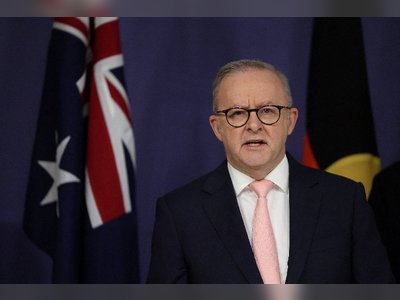
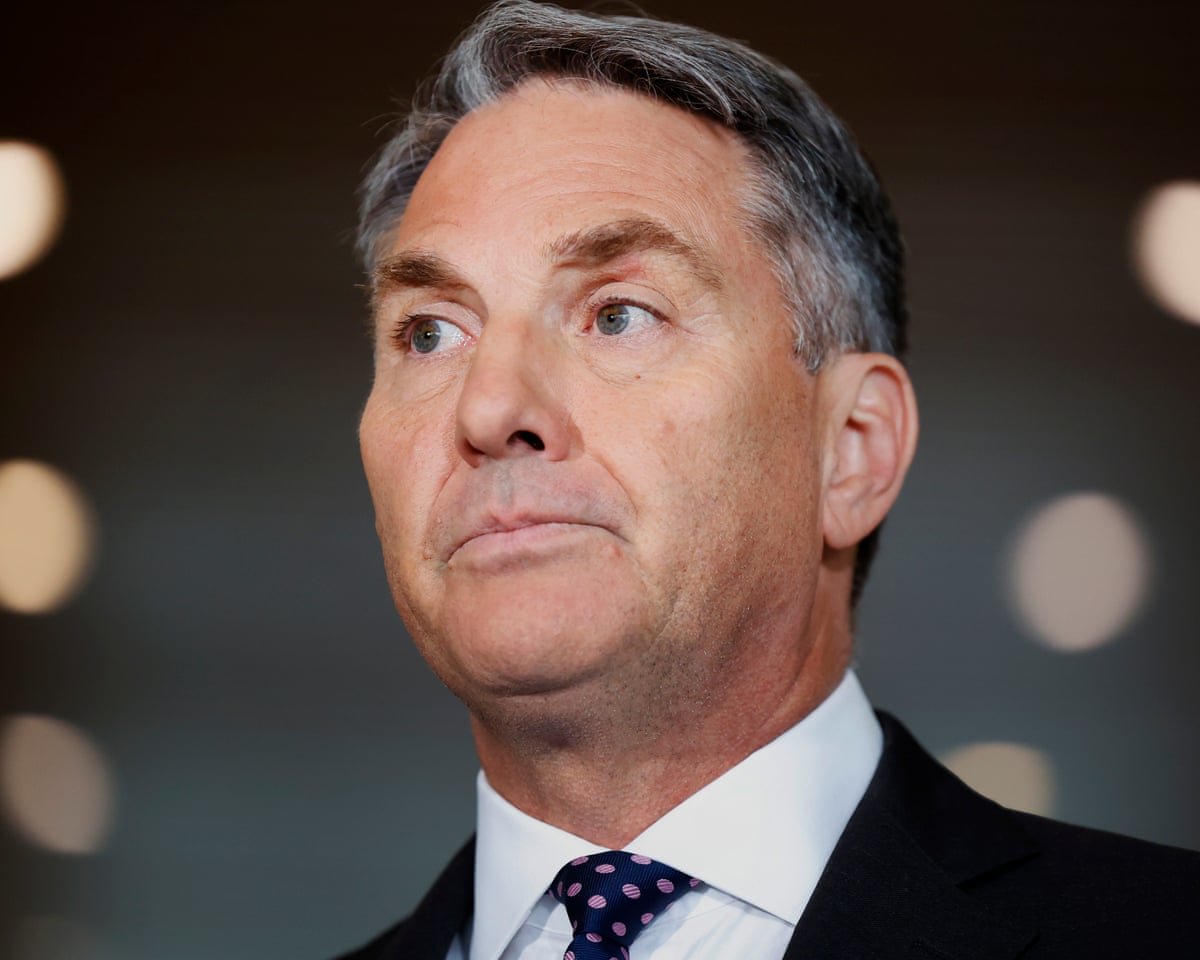
Defence Minister Richard Marles has described the Collins extension as essential to ensuring there is no capability collapse during the transition from conventional to nuclear-powered submarines.
The political stakes are significant because the submarine project has become one of the largest defence investments in Australian history.
Total projected AUKUS-related spending already reaches into the hundreds of billions of dollars across decades, making submarine policy both a national security issue and a long-term economic strategy tied to industrial development, advanced manufacturing and workforce expansion.
South Australia and Western Australia are central to that effort.
Shipyards, sustainment facilities and defence suppliers in both states are expected to absorb large volumes of public investment tied to submarine maintenance and future nuclear-submarine construction.
The immediate consequence is that Australian taxpayers will now fund an expensive effort to preserve submarines that were never intended to operate this long.
But defence planners view the alternative as strategically unacceptable: allowing Australia’s submarine capability to erode before replacement vessels arrive.
The government has now formally committed to keeping all six Collins-class submarines operational into the 2040s while accelerating sustainment work, expanding industrial capacity and attempting to hold together Australia’s most ambitious military transition in generations.
The decision reflects a hard strategic reality: Australia’s future nuclear-powered submarines will not arrive quickly enough to replace the existing fleet before its planned retirement window closes.
The six Collins-class boats, built between the 1990s and early 2000s, were originally designed for roughly thirty years of service.
Several are now at or near that threshold.
Rather than retire them, the Albanese government has ordered a large-scale life-extension effort intended to preserve Australia’s undersea warfare capability until American Virginia-class submarines begin arriving under AUKUS in the 2030s and locally built nuclear-powered boats enter service later still.
What has changed is both the scale and the method of the extension program.
Earlier plans envisioned a deeper rebuild involving replacement of major propulsion systems including diesel engines and generators.
Defence officials have now shifted to what they describe as a “conditions-based sustainment” model.
Under that approach, each submarine will undergo individual engineering assessments, with only systems judged essential for reliability and combat performance being replaced or refurbished.
The first submarine entering the process is HMAS Farncomb, one of the oldest and most heavily used boats in the fleet.
Work is expected to begin immediately.
The government says the revised strategy reduces engineering risk, shortens downtime and maximises submarine availability during a period of increasing strategic tension in the Indo-Pacific.
The cost increase is substantial.
Earlier public estimates for the Collins life-extension program ranged between roughly 4 billion and 6 billion Australian dollars.
The new figure of up to 11 billion dollars over the next decade reflects rising industrial costs, expanded sustainment demands, workforce shortages and the complexity of keeping ageing military platforms combat-capable far beyond their original design life.
The decision also exposes the operational fragility inside Australia’s submarine transition strategy.
AUKUS, announced in 2021 by Australia, the United States and the United Kingdom, fundamentally reshaped Australia’s naval planning by abandoning a previous French conventional submarine deal in favour of nuclear-powered boats.
Under the current pathway, Australia expects to receive at least three American Virginia-class submarines beginning in the early 2030s, before eventually building a new class of nuclear-powered submarines with British and American technology support.
But the schedule remains vulnerable to industrial bottlenecks inside both the United States and Britain, where submarine production capacity is already heavily stretched.
That timing pressure matters because submarines are among the most difficult military assets to regenerate once capability gaps emerge.
Crews require years of training, maintenance ecosystems are highly specialised, and submarine industrial skills deteriorate quickly if operations slow or vessels leave service prematurely.
The Collins fleet therefore serves two strategic purposes simultaneously.
It remains Australia’s only operational submarine force, and it acts as the institutional bridge preserving submarine expertise until nuclear-powered boats eventually enter service.
Defence officials insist safety standards will not be compromised despite the ageing platforms.
The government also says critical combat systems and weapons upgrades will continue even where major mechanical replacements are deferred.
Critics, however, argue the revised plan effectively acknowledges that the original extension concept proved too ambitious, too expensive or too technically risky.
Concerns have circulated for years about whether Australia’s sustainment infrastructure could manage extensive deep rebuilds on submarines approaching four decades of service.
Questions are also intensifying around AUKUS itself.
Debate inside Australia’s defence community has sharpened over whether the United States can realistically transfer nuclear-powered submarines while simultaneously attempting to rebuild its own shrinking attack submarine fleet.
American shipyards continue to face labour shortages, production delays and maintenance backlogs.
The Albanese government nevertheless remains fully committed to the AUKUS framework.
Defence Minister Richard Marles has described the Collins extension as essential to ensuring there is no capability collapse during the transition from conventional to nuclear-powered submarines.
The political stakes are significant because the submarine project has become one of the largest defence investments in Australian history.
Total projected AUKUS-related spending already reaches into the hundreds of billions of dollars across decades, making submarine policy both a national security issue and a long-term economic strategy tied to industrial development, advanced manufacturing and workforce expansion.
South Australia and Western Australia are central to that effort.
Shipyards, sustainment facilities and defence suppliers in both states are expected to absorb large volumes of public investment tied to submarine maintenance and future nuclear-submarine construction.
The immediate consequence is that Australian taxpayers will now fund an expensive effort to preserve submarines that were never intended to operate this long.
But defence planners view the alternative as strategically unacceptable: allowing Australia’s submarine capability to erode before replacement vessels arrive.
The government has now formally committed to keeping all six Collins-class submarines operational into the 2040s while accelerating sustainment work, expanding industrial capacity and attempting to hold together Australia’s most ambitious military transition in generations.
AI Disclaimer: An advanced artificial intelligence (AI) system generated the content of this page on its own. This innovative technology conducts extensive research from a variety of reliable sources, performs rigorous fact-checking and verification, cleans up and balances biased or manipulated content, and presents a minimal factual summary that is just enough yet essential for you to function as an informed and educated citizen. Please keep in mind, however, that this system is an evolving technology, and as a result, the article may contain accidental inaccuracies or errors. We urge you to help us improve our site by reporting any inaccuracies you find using the "Contact Us" link at the bottom of this page. Your helpful feedback helps us improve our system and deliver more precise content. When you find an article of interest here, please look for the full and extensive coverage of this topic in traditional news sources, as they are written by professional journalists that we try to support, not replace. We appreciate your understanding and assistance.