Michelle Obama Uses Australian Debut to Deliver Sharp Warning on Wealth, Politics and Public Anger
At her first live event in Australia, the former US first lady linked rising public frustration, billionaire culture and political decline in remarks that landed far beyond a celebrity speaking tour.
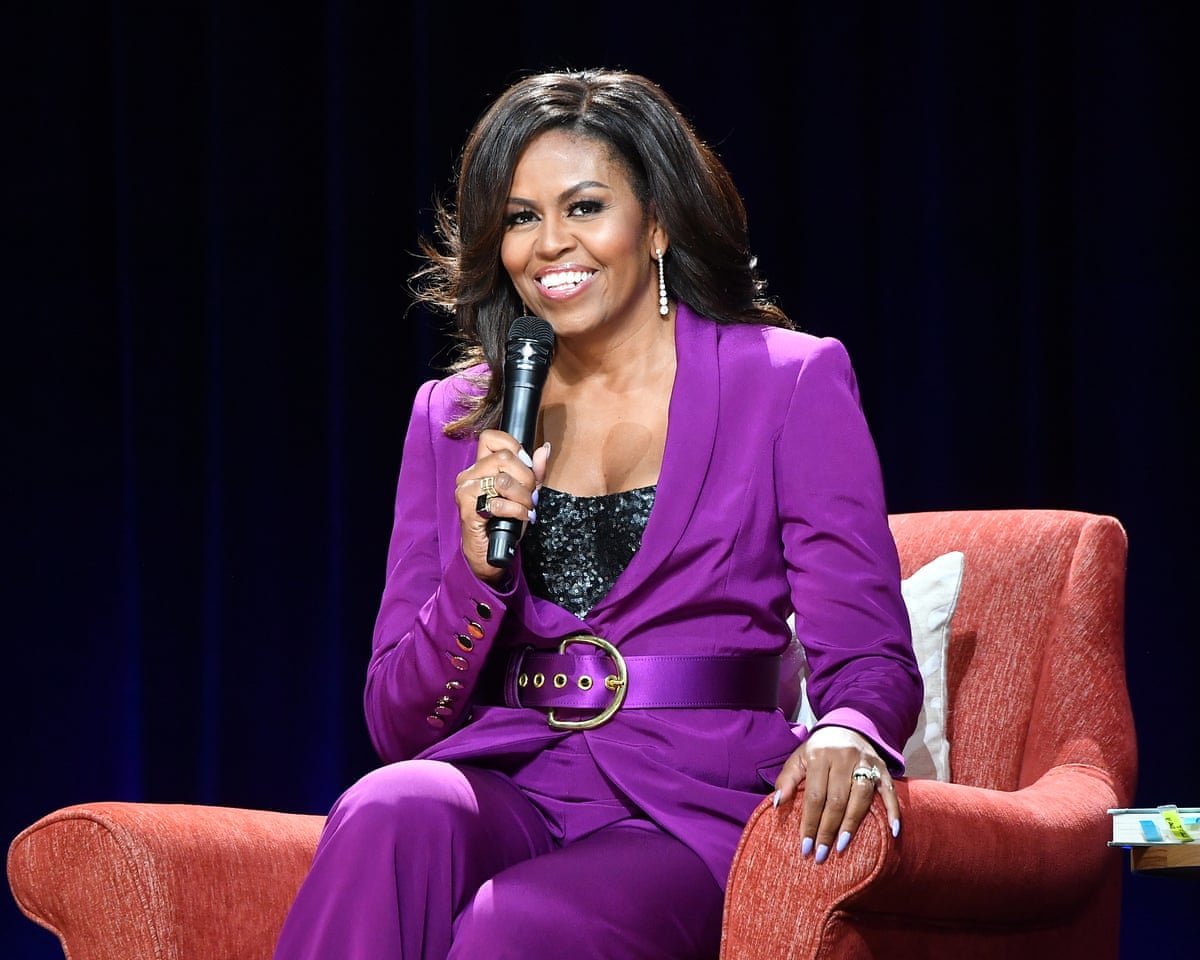
Michelle Obama’s first public speaking appearance in Australia became a blunt critique of modern political culture, economic inequality and the emotional cost of public life, delivered at a moment when frustration over living costs and distrust in institutions are shaping politics across Western democracies.
The former first lady appeared in Melbourne as part of a high-profile speaking tour organized by a corporate leadership events company.
The event drew strong public attention before it began because of ticket prices that ranged from hundreds to nearly one thousand Australian dollars.
Despite Michelle Obama’s global profile, visible empty seats inside the venue reflected a broader economic reality: even premium political and cultural events are colliding with household financial pressure.
Obama did not directly campaign or endorse candidates, but her remarks repeatedly returned to the condition of public life under rising inequality and political hostility.
Her strongest comments focused on wealth concentration and social dissatisfaction.
She said many billionaires are unhappy despite accumulating enormous material success, arguing that wealth itself has become a distorted measure of value and achievement.
The political significance of those comments lies in timing as much as content.
Across the United States, Australia and Europe, anger over housing costs, stagnant wages, declining trust in governments and widening wealth gaps has fueled populist movements on both the right and left.
Obama’s remarks reflected an attempt to explain that anger without fully embracing the increasingly confrontational political style dominating public debate.
She also revisited her long-standing phrase, “when they go low, we go high,” which became associated with Democratic politics during Donald Trump’s rise.
But this time she acknowledged the emotional strain behind maintaining restraint in a hostile political environment, joking that even she sometimes needs to “go a little low.” The comment drew strong audience reaction because it reflected a broader exhaustion among establishment political figures who have spent years confronting increasingly aggressive political discourse.
Obama framed much of that pressure through personal experience.
She described the racist abuse and scrutiny she faced during her years in the White House and said even relatively noncontroversial initiatives, including campaigns promoting healthier food for children, became politicized attacks.
The key issue is not simply criticism of public officials.
It is the extent to which modern political ecosystems reward outrage, identity conflict and permanent confrontation.
Her appearance also highlighted the evolving role of former political figures in the global influence economy.
Obama no longer holds office, yet she remains one of the world’s most recognizable political personalities through books, media production, podcasts and international speaking tours.
The Australian events were marketed less as partisan political appearances and more as leadership and inspiration forums.
That model has become increasingly common as former leaders and public figures build post-office influence through entertainment, media and corporate audiences rather than traditional political institutions.
The reaction to Obama’s comments exposed the polarized environment she continues to occupy.
Supporters viewed her remarks as a direct acknowledgment of economic anxiety and social alienation.
Critics argued that criticism of wealth inequality carries contradictions when delivered by figures who themselves command substantial speaking fees and commercial influence.
That tension has become central to modern elite politics: public frustration increasingly targets both political establishments and wealthy cultural figures, even when those figures position themselves as critics of inequality.
Obama’s remarks also landed during renewed debate inside American politics about how Democrats should respond to Donald Trump’s continuing influence.
In recent interviews and podcast appearances, she has argued against dismissing all Trump supporters as motivated purely by racism or extremism, instead pointing to economic frustration and institutional failure as powerful drivers of political realignment.
That framing attempts to separate voter dissatisfaction from endorsement of every aspect of Trump-era politics.
For Australian audiences, the event carried a second layer of relevance.
Australia has experienced many of the same pressures Obama described: housing affordability problems, rising living costs, distrust toward institutions and growing concern about economic concentration.
Her comments resonated not because they offered new policy proposals, but because they connected personal emotion to broader structural dissatisfaction.
What is confirmed is that Obama’s Australian debut was not a neutral celebrity appearance.
It became a pointed intervention in an international political conversation about wealth, anger, democratic trust and the psychological toll of modern public life.
The Sydney leg of her tour now moves forward with heightened political attention and significantly broader international visibility.
The former first lady appeared in Melbourne as part of a high-profile speaking tour organized by a corporate leadership events company.
The event drew strong public attention before it began because of ticket prices that ranged from hundreds to nearly one thousand Australian dollars.
Despite Michelle Obama’s global profile, visible empty seats inside the venue reflected a broader economic reality: even premium political and cultural events are colliding with household financial pressure.
Obama did not directly campaign or endorse candidates, but her remarks repeatedly returned to the condition of public life under rising inequality and political hostility.
Her strongest comments focused on wealth concentration and social dissatisfaction.
She said many billionaires are unhappy despite accumulating enormous material success, arguing that wealth itself has become a distorted measure of value and achievement.
The political significance of those comments lies in timing as much as content.
Across the United States, Australia and Europe, anger over housing costs, stagnant wages, declining trust in governments and widening wealth gaps has fueled populist movements on both the right and left.
Obama’s remarks reflected an attempt to explain that anger without fully embracing the increasingly confrontational political style dominating public debate.
She also revisited her long-standing phrase, “when they go low, we go high,” which became associated with Democratic politics during Donald Trump’s rise.
But this time she acknowledged the emotional strain behind maintaining restraint in a hostile political environment, joking that even she sometimes needs to “go a little low.” The comment drew strong audience reaction because it reflected a broader exhaustion among establishment political figures who have spent years confronting increasingly aggressive political discourse.
Obama framed much of that pressure through personal experience.
She described the racist abuse and scrutiny she faced during her years in the White House and said even relatively noncontroversial initiatives, including campaigns promoting healthier food for children, became politicized attacks.
The key issue is not simply criticism of public officials.
It is the extent to which modern political ecosystems reward outrage, identity conflict and permanent confrontation.
Her appearance also highlighted the evolving role of former political figures in the global influence economy.
Obama no longer holds office, yet she remains one of the world’s most recognizable political personalities through books, media production, podcasts and international speaking tours.
The Australian events were marketed less as partisan political appearances and more as leadership and inspiration forums.
That model has become increasingly common as former leaders and public figures build post-office influence through entertainment, media and corporate audiences rather than traditional political institutions.
The reaction to Obama’s comments exposed the polarized environment she continues to occupy.
Supporters viewed her remarks as a direct acknowledgment of economic anxiety and social alienation.
Critics argued that criticism of wealth inequality carries contradictions when delivered by figures who themselves command substantial speaking fees and commercial influence.
That tension has become central to modern elite politics: public frustration increasingly targets both political establishments and wealthy cultural figures, even when those figures position themselves as critics of inequality.
Obama’s remarks also landed during renewed debate inside American politics about how Democrats should respond to Donald Trump’s continuing influence.
In recent interviews and podcast appearances, she has argued against dismissing all Trump supporters as motivated purely by racism or extremism, instead pointing to economic frustration and institutional failure as powerful drivers of political realignment.
That framing attempts to separate voter dissatisfaction from endorsement of every aspect of Trump-era politics.
For Australian audiences, the event carried a second layer of relevance.
Australia has experienced many of the same pressures Obama described: housing affordability problems, rising living costs, distrust toward institutions and growing concern about economic concentration.
Her comments resonated not because they offered new policy proposals, but because they connected personal emotion to broader structural dissatisfaction.
What is confirmed is that Obama’s Australian debut was not a neutral celebrity appearance.
It became a pointed intervention in an international political conversation about wealth, anger, democratic trust and the psychological toll of modern public life.
The Sydney leg of her tour now moves forward with heightened political attention and significantly broader international visibility.
AI Disclaimer: An advanced artificial intelligence (AI) system generated the content of this page on its own. This innovative technology conducts extensive research from a variety of reliable sources, performs rigorous fact-checking and verification, cleans up and balances biased or manipulated content, and presents a minimal factual summary that is just enough yet essential for you to function as an informed and educated citizen. Please keep in mind, however, that this system is an evolving technology, and as a result, the article may contain accidental inaccuracies or errors. We urge you to help us improve our site by reporting any inaccuracies you find using the "Contact Us" link at the bottom of this page. Your helpful feedback helps us improve our system and deliver more precise content. When you find an article of interest here, please look for the full and extensive coverage of this topic in traditional news sources, as they are written by professional journalists that we try to support, not replace. We appreciate your understanding and assistance.