Reserve Bank Signals Pause as It Waits to Gauge Gulf Conflict’s Impact on Inflation
Australia’s central bank says it has room to assess global shock effects after its May rate hike, as Middle East tensions complicate the inflation outlook.
SYSTEM-DRIVEN factors are shaping Australia’s monetary policy outlook as the Reserve Bank of Australia weighs how global geopolitical shocks, particularly conflict in the Gulf region, may feed into inflation, energy prices and domestic demand.
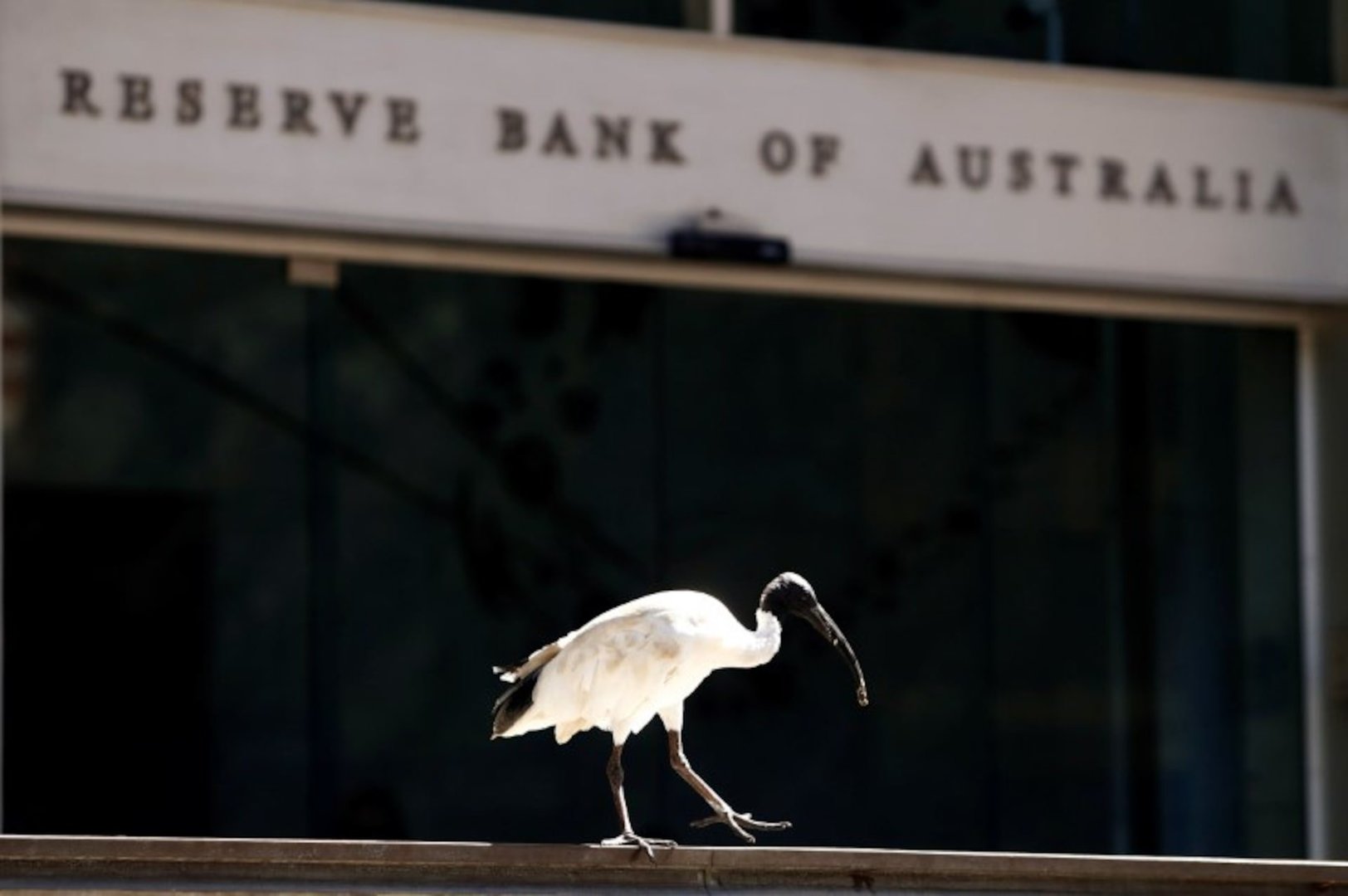
The Reserve Bank of Australia (RBA) indicated it has scope to observe incoming data following its May interest rate increase, suggesting policymakers are not in a rush to tighten further while assessing the economic fallout from renewed instability in the Middle East.
The central bank’s stance reflects a broader shift toward data-dependent decision-making after a series of rapid rate adjustments aimed at controlling inflation.
What is confirmed is that the RBA lifted the cash rate in May as part of its ongoing effort to bring inflation back within its target band.
The move came against a backdrop of volatile global energy markets and heightened uncertainty following escalation in Gulf tensions, which raised concerns about potential disruptions to oil supply routes and shipping lanes critical to global trade.
The key issue for policymakers is how external shocks interact with Australia’s already sensitive inflation environment.
Energy prices remain a central transmission channel.
Any sustained disruption in the Gulf region has the potential to push up global oil prices, which feed directly into domestic fuel costs, transport expenses and broader consumer price inflation.
At the same time, Australia’s economy is showing signs of slowing domestic demand, particularly in interest-rate-sensitive sectors such as housing, retail spending and discretionary services.
This creates a tension for the central bank: inflation is still above target, but households are increasingly constrained by higher borrowing costs.
The RBA’s latest communication signals that it is prioritising assessment over immediate action.
By stating that it has “space to assess” the impact of the Gulf conflict, policymakers are effectively acknowledging that the full economic consequences of geopolitical instability are not yet reflected in domestic data.
Energy markets remain the most immediate transmission point.
Oil price volatility linked to the Strait of Hormuz and broader Middle East tensions has historically produced short-term inflation spikes in importing economies like Australia.
However, the persistence of such effects depends on whether disruptions are temporary or sustained.
Inflation dynamics in Australia are also influenced by domestic factors, including wages growth, housing costs and services inflation.
While headline inflation has eased from its peak, underlying inflation remains sticky in several categories, keeping pressure on the RBA to maintain a restrictive stance.
The central bank’s cautious approach reflects the risk of over-tightening in an economy where household debt levels are high and mortgage sensitivity is strong.
A large share of Australian borrowers are exposed to variable-rate mortgages, meaning policy changes quickly affect disposable income and consumption.
Financial markets are now closely watching whether the RBA maintains its current rate level through the next cycle or resumes tightening if energy-driven inflation resurges.
The balance of risks has shifted toward uncertainty rather than a clear inflation trajectory, with global events increasingly influencing domestic policy decisions.
Economists broadly interpret the RBA’s position as an attempt to avoid reacting prematurely to external shocks while maintaining credibility in its inflation mandate.
The central bank is effectively signalling that it will differentiate between temporary price spikes driven by geopolitics and sustained inflation pressures embedded in the domestic economy.
The broader implication is that Australia’s monetary policy is becoming more exposed to international volatility than in previous cycles.
Geopolitical developments in energy-producing regions now play a direct role in shaping interest rate expectations, even when domestic economic indicators remain relatively stable.
The immediate consequence is a policy environment defined by caution.
The RBA is holding its position after the May increase while monitoring energy markets, inflation data and household spending trends, with future decisions dependent on whether global shocks translate into persistent domestic price pressures.
The Reserve Bank of Australia (RBA) indicated it has scope to observe incoming data following its May interest rate increase, suggesting policymakers are not in a rush to tighten further while assessing the economic fallout from renewed instability in the Middle East.
The central bank’s stance reflects a broader shift toward data-dependent decision-making after a series of rapid rate adjustments aimed at controlling inflation.
What is confirmed is that the RBA lifted the cash rate in May as part of its ongoing effort to bring inflation back within its target band.
The move came against a backdrop of volatile global energy markets and heightened uncertainty following escalation in Gulf tensions, which raised concerns about potential disruptions to oil supply routes and shipping lanes critical to global trade.
The key issue for policymakers is how external shocks interact with Australia’s already sensitive inflation environment.
Energy prices remain a central transmission channel.
Any sustained disruption in the Gulf region has the potential to push up global oil prices, which feed directly into domestic fuel costs, transport expenses and broader consumer price inflation.
At the same time, Australia’s economy is showing signs of slowing domestic demand, particularly in interest-rate-sensitive sectors such as housing, retail spending and discretionary services.
This creates a tension for the central bank: inflation is still above target, but households are increasingly constrained by higher borrowing costs.
The RBA’s latest communication signals that it is prioritising assessment over immediate action.
By stating that it has “space to assess” the impact of the Gulf conflict, policymakers are effectively acknowledging that the full economic consequences of geopolitical instability are not yet reflected in domestic data.
Energy markets remain the most immediate transmission point.
Oil price volatility linked to the Strait of Hormuz and broader Middle East tensions has historically produced short-term inflation spikes in importing economies like Australia.
However, the persistence of such effects depends on whether disruptions are temporary or sustained.
Inflation dynamics in Australia are also influenced by domestic factors, including wages growth, housing costs and services inflation.
While headline inflation has eased from its peak, underlying inflation remains sticky in several categories, keeping pressure on the RBA to maintain a restrictive stance.
The central bank’s cautious approach reflects the risk of over-tightening in an economy where household debt levels are high and mortgage sensitivity is strong.
A large share of Australian borrowers are exposed to variable-rate mortgages, meaning policy changes quickly affect disposable income and consumption.
Financial markets are now closely watching whether the RBA maintains its current rate level through the next cycle or resumes tightening if energy-driven inflation resurges.
The balance of risks has shifted toward uncertainty rather than a clear inflation trajectory, with global events increasingly influencing domestic policy decisions.
Economists broadly interpret the RBA’s position as an attempt to avoid reacting prematurely to external shocks while maintaining credibility in its inflation mandate.
The central bank is effectively signalling that it will differentiate between temporary price spikes driven by geopolitics and sustained inflation pressures embedded in the domestic economy.
The broader implication is that Australia’s monetary policy is becoming more exposed to international volatility than in previous cycles.
Geopolitical developments in energy-producing regions now play a direct role in shaping interest rate expectations, even when domestic economic indicators remain relatively stable.
The immediate consequence is a policy environment defined by caution.
The RBA is holding its position after the May increase while monitoring energy markets, inflation data and household spending trends, with future decisions dependent on whether global shocks translate into persistent domestic price pressures.
AI Disclaimer: An advanced artificial intelligence (AI) system generated the content of this page on its own. This innovative technology conducts extensive research from a variety of reliable sources, performs rigorous fact-checking and verification, cleans up and balances biased or manipulated content, and presents a minimal factual summary that is just enough yet essential for you to function as an informed and educated citizen. Please keep in mind, however, that this system is an evolving technology, and as a result, the article may contain accidental inaccuracies or errors. We urge you to help us improve our site by reporting any inaccuracies you find using the "Contact Us" link at the bottom of this page. Your helpful feedback helps us improve our system and deliver more precise content. When you find an article of interest here, please look for the full and extensive coverage of this topic in traditional news sources, as they are written by professional journalists that we try to support, not replace. We appreciate your understanding and assistance.