Australian Wheat Output Faces Sharp Fall as Iran War and Drought Press Farmers
Rising fuel and fertiliser costs linked to Middle East conflict are colliding with dry weather forecasts, forcing Australian growers to cut wheat planting and threatening global grain supplies.
Global commodity and supply-chain disruption is driving Australia’s wheat sector into a significant contraction as farmers slash planting plans under pressure from soaring fuel and fertiliser costs tied to the war involving Iran, while worsening dry weather compounds the risk.
Australia is the world’s third-largest wheat exporter and a major supplier to Asian and Middle Eastern food markets.
What is happening across its grain belt matters far beyond domestic agriculture.
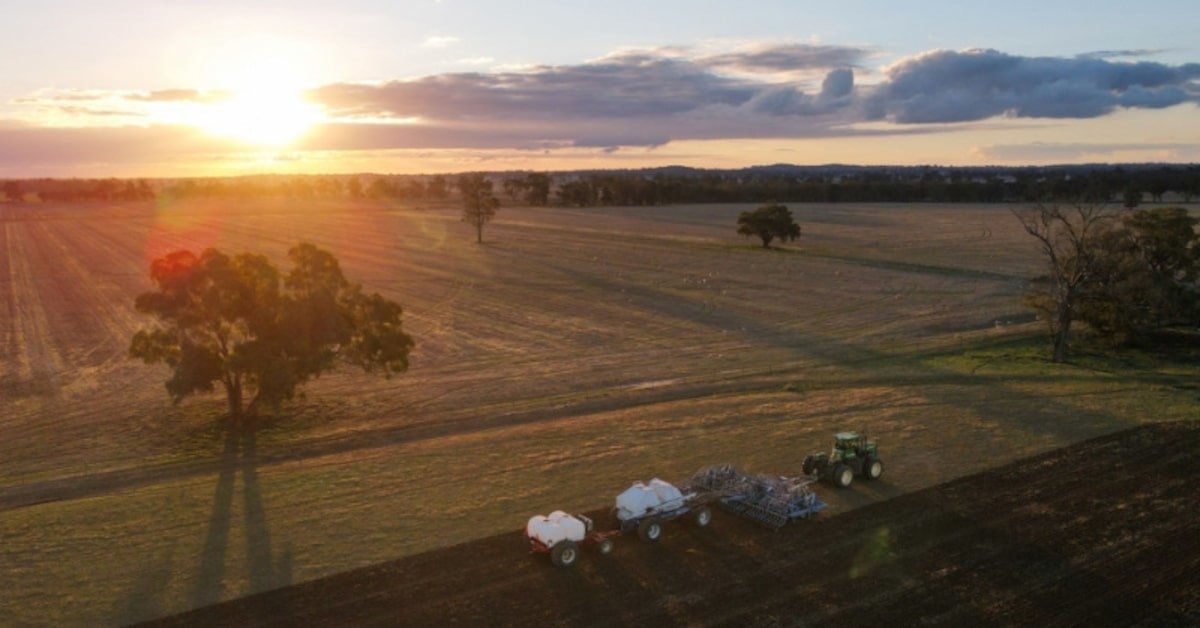
Farmers in several major producing regions are reducing wheat acreage, cutting fertiliser use, switching to less input-intensive crops such as barley, or leaving land unplanted altogether.
Analysts now expect Australia’s next wheat harvest to fall substantially below last year’s output, with some forecasts pointing to declines of more than one-third if dry conditions persist through the growing season.
The immediate economic shock comes from fertiliser and diesel markets.
Australia imports most of its nitrogen fertiliser, including urea, and a large share of global supply normally moves through shipping routes linked to the Persian Gulf and the Strait of Hormuz.
The conflict involving Iran has disrupted energy and chemical exports across the region, sharply increasing prices and tightening supply availability.
Urea prices in Australia have surged while diesel costs have also risen steeply, hitting growers during the critical planting period.
Wheat is particularly exposed because it is heavily dependent on nitrogen fertiliser to maintain high yields.
Farmers can reduce fertiliser application to save money, but doing so directly lowers production potential.
Many growers are making a calculation that planting full wheat programs no longer makes economic sense under current cost conditions, especially with weak rainfall forecasts increasing the risk of crop failure.
The weather outlook has intensified those concerns.
Forecasts for an emerging El Niño pattern are raising expectations of hotter and drier conditions across eastern and southern Australia.
Several grain-producing regions already entered the sowing season with poor soil moisture after below-average rainfall.
Farmers are therefore confronting a dual risk: sharply higher production costs and a growing chance that crops will not receive enough rain to justify the investment.
The combined effect is beginning to reshape planting decisions across the country.
Western Australian growers are increasing canola and barley acreage because those crops can offer stronger margins or require less nitrogen input than wheat.
In other regions, farmers are scaling back overall planting areas to reduce exposure.
Some producers have reported cutting intended wheat planting by half.
The consequences extend into global food markets.
Analysts estimate Australia could export up to ten million fewer tonnes of wheat in the coming season.
That reduction would remove roughly five percent of annual global wheat exports from international markets at a time when several other producing regions are also under strain.
Argentina is expected to reduce wheat planting because of similar cost pressures, while parts of Canada are dealing with delayed sowing conditions.
The pressure on supply chains is exposing a structural vulnerability in Australian agriculture.
The country relies heavily on imported fuel and imported fertiliser despite being one of the world’s largest agricultural exporters.
The current crisis has revived debate over domestic fertiliser production, strategic fuel reserves and supply diversification.
Government measures have included efforts to accelerate fertiliser imports and secure additional supply from regional partners, but those actions have not reversed the immediate cost shock facing farmers.
Rural economic effects are already spreading beyond farms.
Higher fuel prices are increasing freight costs across the agricultural sector, while machinery, chemicals and transport expenses continue climbing.
Smaller farming operations are under particular pressure because they have less financial capacity to absorb sudden input inflation.
Industry groups are pushing for government relief measures, including fuel support and temporary assistance for fertiliser purchases.
The food-price implications are more gradual but increasingly difficult to avoid.
Australia produces far more wheat than it consumes domestically, meaning the country is unlikely to face outright shortages.
The larger issue is price transmission through global markets.
Lower export volumes from one of the world’s key grain suppliers tighten international availability, especially for importing countries dependent on Australian wheat.
Reduced fertiliser use also threatens crop quality and future soil productivity, potentially extending production weakness beyond a single season.
Another emerging concern is that farmers are making short-term survival decisions that may weaken future harvests.
Cutting fertiliser use saves money now but can deplete soil nutrients and reduce yields in subsequent years.
Some growers warn that if fertiliser prices remain elevated into the next planting cycle, production losses could deepen further.
The broader significance of the crisis is that it demonstrates how modern food systems remain tightly linked to geopolitical conflict and energy markets.
A war centred thousands of kilometres away has rapidly altered planting behaviour in one of the world’s most important grain-exporting nations.
The result is not only a smaller wheat crop but a reminder that fuel security, fertiliser access and climate volatility are now inseparable parts of global food security.
Australia’s next harvest will therefore serve as an early test of how resilient export agriculture can remain when geopolitical shocks, supply-chain dependence and climate pressure hit simultaneously, with global grain buyers already preparing for tighter supply and higher prices into 2027.
Australia is the world’s third-largest wheat exporter and a major supplier to Asian and Middle Eastern food markets.
What is happening across its grain belt matters far beyond domestic agriculture.
Farmers in several major producing regions are reducing wheat acreage, cutting fertiliser use, switching to less input-intensive crops such as barley, or leaving land unplanted altogether.
Analysts now expect Australia’s next wheat harvest to fall substantially below last year’s output, with some forecasts pointing to declines of more than one-third if dry conditions persist through the growing season.
The immediate economic shock comes from fertiliser and diesel markets.
Australia imports most of its nitrogen fertiliser, including urea, and a large share of global supply normally moves through shipping routes linked to the Persian Gulf and the Strait of Hormuz.
The conflict involving Iran has disrupted energy and chemical exports across the region, sharply increasing prices and tightening supply availability.
Urea prices in Australia have surged while diesel costs have also risen steeply, hitting growers during the critical planting period.
Wheat is particularly exposed because it is heavily dependent on nitrogen fertiliser to maintain high yields.
Farmers can reduce fertiliser application to save money, but doing so directly lowers production potential.
Many growers are making a calculation that planting full wheat programs no longer makes economic sense under current cost conditions, especially with weak rainfall forecasts increasing the risk of crop failure.
The weather outlook has intensified those concerns.
Forecasts for an emerging El Niño pattern are raising expectations of hotter and drier conditions across eastern and southern Australia.
Several grain-producing regions already entered the sowing season with poor soil moisture after below-average rainfall.
Farmers are therefore confronting a dual risk: sharply higher production costs and a growing chance that crops will not receive enough rain to justify the investment.
The combined effect is beginning to reshape planting decisions across the country.
Western Australian growers are increasing canola and barley acreage because those crops can offer stronger margins or require less nitrogen input than wheat.
In other regions, farmers are scaling back overall planting areas to reduce exposure.
Some producers have reported cutting intended wheat planting by half.
The consequences extend into global food markets.
Analysts estimate Australia could export up to ten million fewer tonnes of wheat in the coming season.
That reduction would remove roughly five percent of annual global wheat exports from international markets at a time when several other producing regions are also under strain.
Argentina is expected to reduce wheat planting because of similar cost pressures, while parts of Canada are dealing with delayed sowing conditions.
The pressure on supply chains is exposing a structural vulnerability in Australian agriculture.
The country relies heavily on imported fuel and imported fertiliser despite being one of the world’s largest agricultural exporters.
The current crisis has revived debate over domestic fertiliser production, strategic fuel reserves and supply diversification.
Government measures have included efforts to accelerate fertiliser imports and secure additional supply from regional partners, but those actions have not reversed the immediate cost shock facing farmers.
Rural economic effects are already spreading beyond farms.
Higher fuel prices are increasing freight costs across the agricultural sector, while machinery, chemicals and transport expenses continue climbing.
Smaller farming operations are under particular pressure because they have less financial capacity to absorb sudden input inflation.
Industry groups are pushing for government relief measures, including fuel support and temporary assistance for fertiliser purchases.
The food-price implications are more gradual but increasingly difficult to avoid.
Australia produces far more wheat than it consumes domestically, meaning the country is unlikely to face outright shortages.
The larger issue is price transmission through global markets.
Lower export volumes from one of the world’s key grain suppliers tighten international availability, especially for importing countries dependent on Australian wheat.
Reduced fertiliser use also threatens crop quality and future soil productivity, potentially extending production weakness beyond a single season.
Another emerging concern is that farmers are making short-term survival decisions that may weaken future harvests.
Cutting fertiliser use saves money now but can deplete soil nutrients and reduce yields in subsequent years.
Some growers warn that if fertiliser prices remain elevated into the next planting cycle, production losses could deepen further.
The broader significance of the crisis is that it demonstrates how modern food systems remain tightly linked to geopolitical conflict and energy markets.
A war centred thousands of kilometres away has rapidly altered planting behaviour in one of the world’s most important grain-exporting nations.
The result is not only a smaller wheat crop but a reminder that fuel security, fertiliser access and climate volatility are now inseparable parts of global food security.
Australia’s next harvest will therefore serve as an early test of how resilient export agriculture can remain when geopolitical shocks, supply-chain dependence and climate pressure hit simultaneously, with global grain buyers already preparing for tighter supply and higher prices into 2027.
AI Disclaimer: An advanced artificial intelligence (AI) system generated the content of this page on its own. This innovative technology conducts extensive research from a variety of reliable sources, performs rigorous fact-checking and verification, cleans up and balances biased or manipulated content, and presents a minimal factual summary that is just enough yet essential for you to function as an informed and educated citizen. Please keep in mind, however, that this system is an evolving technology, and as a result, the article may contain accidental inaccuracies or errors. We urge you to help us improve our site by reporting any inaccuracies you find using the "Contact Us" link at the bottom of this page. Your helpful feedback helps us improve our system and deliver more precise content. When you find an article of interest here, please look for the full and extensive coverage of this topic in traditional news sources, as they are written by professional journalists that we try to support, not replace. We appreciate your understanding and assistance.