Australia Expands Iran Sanctions as Human Rights Pressure and Security Concerns Converge
Canberra has imposed new penalties on Iranian officials and entities linked to repression, surveillance and financial operations tied to the Islamic Revolutionary Guard Corps.
Australia’s latest sanctions against Iranian officials are fundamentally driven by state policy: the Albanese government is widening its sanctions architecture against Tehran in response to escalating human rights abuses, internal repression and broader national security concerns linked to Iran’s regional activities.
The new measures deepen Australia’s shift from limited diplomatic criticism toward a more aggressive coercive framework targeting senior Iranian officials, security bodies and financial networks.
What is confirmed is that Australia has imposed another round of targeted financial sanctions and travel bans against Iranian individuals and entities accused of involvement in violent crackdowns on protesters, repression of women and girls, censorship operations and support structures connected to the Islamic Revolutionary Guard Corps, or IRGC.
The measures were announced by Foreign Minister Penny Wong as part of a coordinated tightening of pressure alongside allied governments.
The sanctions target senior Iranian officials tied to internal security and morality enforcement systems.
Individuals named include officials associated with public security policing, internal law enforcement and ideological enforcement structures responsible for implementing compulsory hijab regulations and suppressing dissent.
Several entities tied to cyber operations, financial transfers and state enforcement mechanisms were also sanctioned.
Australia’s government argues the sanctions respond directly to documented patterns of abuse inside Iran.
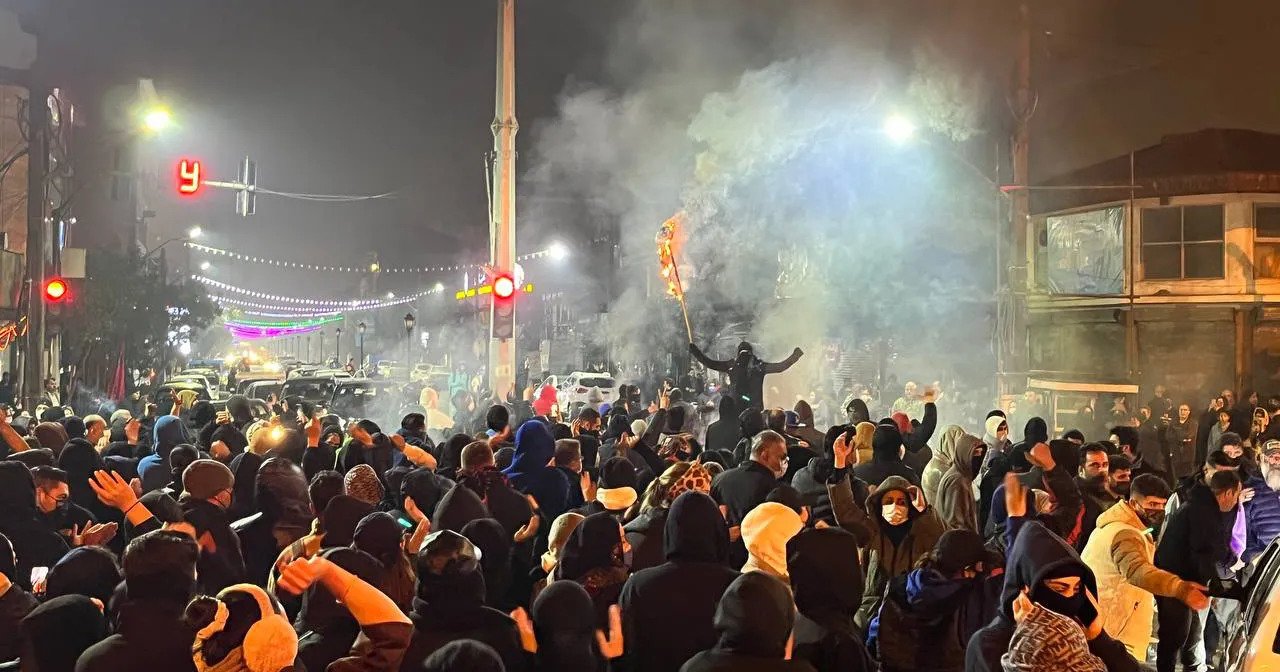
Those include violent suppression of anti-government demonstrations, mass arrests, internet blackouts, intimidation campaigns and the use of surveillance systems to monitor women accused of violating dress rules.
Human rights organizations and Western governments have increasingly accused Tehran of institutionalizing digital repression alongside physical crackdowns.
The measures also reflect a broader strategic shift in Australian foreign policy.
Canberra has significantly hardened its position toward Iran over the past two years following allegations of Iranian-linked interference activities, attacks targeting Jewish interests in Australia and growing concern about Tehran’s regional proxy networks.
Australia has already designated the IRGC as a state sponsor of terrorism and sanctioned more than two hundred Iranian-linked individuals and entities.
The new sanctions extend beyond symbolic diplomacy because they directly restrict access to Australian financial systems and impose travel bans on listed figures.
Entities accused of facilitating financial transfers and sanctions evasion are also being targeted.
Australian officials increasingly describe these financial channels as part of a broader “shadow banking” ecosystem used to move money outside formal international controls.
The sanctions arrive amid intensifying international pressure on Iran.
European governments have expanded their own penalties in recent months after renewed crackdowns on demonstrations and reports of mass detentions and executions.
Additional sanctions in Europe have targeted commanders of local IRGC branches, judicial officials and security structures accused of coordinating violent suppression campaigns.
The timing is politically significant inside Australia as well.
Iranian diaspora communities, Jewish organizations and national security analysts have all increased pressure on Canberra to take a harder line on Tehran.
Debate has intensified after revelations that relatives of senior Iranian political figures maintained personal, financial or residency connections inside Australia despite growing scrutiny of the regime.
The Albanese government is also attempting to position the sanctions as part of a broader human rights doctrine rather than solely a geopolitical alignment with Western allies.
Officials have framed the measures around accountability for abuses against civilians, especially women, protesters and minority groups.
That framing matters domestically because the government faces pressure from multiple political directions over how consistently it applies sanctions and human rights language across international conflicts.
Critics of sanctions policy argue such measures rarely force immediate behavioral change inside authoritarian systems and may further isolate diplomatic channels.
Others contend sanctions remain one of the few non-military tools available to democracies responding to systemic repression.
The broader effectiveness of sanctions against Iran remains contested internationally, particularly after years of overlapping restrictions from the United States, Europe and allied countries.
The economic impact on Iran from Australia alone is limited because bilateral trade between the two countries is relatively small.
The political significance is larger.
Australia’s actions reinforce Tehran’s growing diplomatic isolation among Western-aligned governments and deepen coordination on sanctions enforcement, financial restrictions and intelligence cooperation.
The sanctions also reinforce a larger recalibration of Australian national security policy.
Canberra increasingly links foreign authoritarian influence, cyber operations, terrorism financing and domestic social cohesion into a single strategic framework.
Iran has become part of that broader security lens alongside concerns about foreign interference, extremist financing and transnational coercion.
What is confirmed is that Australia is no longer treating Iran primarily as a conventional diplomatic challenge.
The government is now using sanctions as a sustained instrument of pressure aimed simultaneously at human rights accountability, financial disruption and national security containment.
The new measures deepen Australia’s shift from limited diplomatic criticism toward a more aggressive coercive framework targeting senior Iranian officials, security bodies and financial networks.
What is confirmed is that Australia has imposed another round of targeted financial sanctions and travel bans against Iranian individuals and entities accused of involvement in violent crackdowns on protesters, repression of women and girls, censorship operations and support structures connected to the Islamic Revolutionary Guard Corps, or IRGC.
The measures were announced by Foreign Minister Penny Wong as part of a coordinated tightening of pressure alongside allied governments.
The sanctions target senior Iranian officials tied to internal security and morality enforcement systems.
Individuals named include officials associated with public security policing, internal law enforcement and ideological enforcement structures responsible for implementing compulsory hijab regulations and suppressing dissent.
Several entities tied to cyber operations, financial transfers and state enforcement mechanisms were also sanctioned.
Australia’s government argues the sanctions respond directly to documented patterns of abuse inside Iran.
Those include violent suppression of anti-government demonstrations, mass arrests, internet blackouts, intimidation campaigns and the use of surveillance systems to monitor women accused of violating dress rules.
Human rights organizations and Western governments have increasingly accused Tehran of institutionalizing digital repression alongside physical crackdowns.
The measures also reflect a broader strategic shift in Australian foreign policy.
Canberra has significantly hardened its position toward Iran over the past two years following allegations of Iranian-linked interference activities, attacks targeting Jewish interests in Australia and growing concern about Tehran’s regional proxy networks.
Australia has already designated the IRGC as a state sponsor of terrorism and sanctioned more than two hundred Iranian-linked individuals and entities.
The new sanctions extend beyond symbolic diplomacy because they directly restrict access to Australian financial systems and impose travel bans on listed figures.
Entities accused of facilitating financial transfers and sanctions evasion are also being targeted.
Australian officials increasingly describe these financial channels as part of a broader “shadow banking” ecosystem used to move money outside formal international controls.
The sanctions arrive amid intensifying international pressure on Iran.
European governments have expanded their own penalties in recent months after renewed crackdowns on demonstrations and reports of mass detentions and executions.
Additional sanctions in Europe have targeted commanders of local IRGC branches, judicial officials and security structures accused of coordinating violent suppression campaigns.
The timing is politically significant inside Australia as well.
Iranian diaspora communities, Jewish organizations and national security analysts have all increased pressure on Canberra to take a harder line on Tehran.
Debate has intensified after revelations that relatives of senior Iranian political figures maintained personal, financial or residency connections inside Australia despite growing scrutiny of the regime.
The Albanese government is also attempting to position the sanctions as part of a broader human rights doctrine rather than solely a geopolitical alignment with Western allies.
Officials have framed the measures around accountability for abuses against civilians, especially women, protesters and minority groups.
That framing matters domestically because the government faces pressure from multiple political directions over how consistently it applies sanctions and human rights language across international conflicts.
Critics of sanctions policy argue such measures rarely force immediate behavioral change inside authoritarian systems and may further isolate diplomatic channels.
Others contend sanctions remain one of the few non-military tools available to democracies responding to systemic repression.
The broader effectiveness of sanctions against Iran remains contested internationally, particularly after years of overlapping restrictions from the United States, Europe and allied countries.
The economic impact on Iran from Australia alone is limited because bilateral trade between the two countries is relatively small.
The political significance is larger.
Australia’s actions reinforce Tehran’s growing diplomatic isolation among Western-aligned governments and deepen coordination on sanctions enforcement, financial restrictions and intelligence cooperation.
The sanctions also reinforce a larger recalibration of Australian national security policy.
Canberra increasingly links foreign authoritarian influence, cyber operations, terrorism financing and domestic social cohesion into a single strategic framework.
Iran has become part of that broader security lens alongside concerns about foreign interference, extremist financing and transnational coercion.
What is confirmed is that Australia is no longer treating Iran primarily as a conventional diplomatic challenge.
The government is now using sanctions as a sustained instrument of pressure aimed simultaneously at human rights accountability, financial disruption and national security containment.
AI Disclaimer: An advanced artificial intelligence (AI) system generated the content of this page on its own. This innovative technology conducts extensive research from a variety of reliable sources, performs rigorous fact-checking and verification, cleans up and balances biased or manipulated content, and presents a minimal factual summary that is just enough yet essential for you to function as an informed and educated citizen. Please keep in mind, however, that this system is an evolving technology, and as a result, the article may contain accidental inaccuracies or errors. We urge you to help us improve our site by reporting any inaccuracies you find using the "Contact Us" link at the bottom of this page. Your helpful feedback helps us improve our system and deliver more precise content. When you find an article of interest here, please look for the full and extensive coverage of this topic in traditional news sources, as they are written by professional journalists that we try to support, not replace. We appreciate your understanding and assistance.