
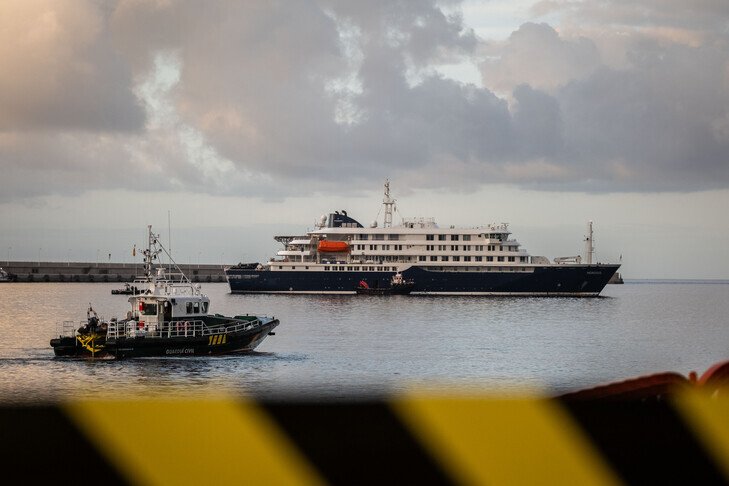
Australia Launches High-Security Quarantine Operation After Deadly Cruise Ship Hantavirus Outbreak
Six passengers linked to the MV Hondius outbreak are being repatriated under strict biosecurity controls as health authorities work to contain a rare Andes strain hantavirus cluster tied to three deaths.
Australia’s response to the MV Hondius hantavirus outbreak is being driven by a public health containment system designed to prevent a rare but potentially lethal virus from establishing any transmission chain inside the country.
The federal government has confirmed that six passengers connected to the outbreak — five Australians and one New Zealand citizen — are currently in good health and are being repatriated under extraordinary quarantine arrangements.
The passengers were aboard the Dutch-flagged expedition cruise ship MV Hondius, which became the center of an international health emergency after multiple passengers developed severe respiratory illness during a voyage linked to South America and the South Atlantic.
The outbreak has now resulted in at least three confirmed deaths and multiple laboratory-confirmed infections involving the Andes strain of hantavirus.
That specific strain matters.
Andes virus is the only known hantavirus capable of limited human-to-human transmission.
Most hantaviruses spread primarily through exposure to infected rodent urine, droppings, saliva, or contaminated airborne particles.
Human transmission is considered rare and typically requires prolonged close contact with symptomatic individuals.
Health authorities stress that the virus is not spreading in the same way as airborne respiratory viruses such as COVID-19.
The Australian government’s decision to impose a highly controlled quarantine regime reflects the unusual characteristics of the outbreak rather than evidence of uncontrolled transmission.
Officials have emphasized repeatedly that the risk to the Australian public remains low.
What is confirmed is that the six passengers have been transferred to the Netherlands and are expected to be flown to Western Australia on a government-organized flight.
Australian authorities have described the repatriation effort as logistically difficult because flight crews transporting exposed passengers may themselves require isolation after the mission.
Upon arrival in Perth, the passengers will be transferred directly to the Centre for National Resilience in Bullsbrook, a quarantine facility originally constructed during the COVID-19 pandemic.
The group is expected to remain there for at least three weeks under medical observation, with continued monitoring during the virus’s broader incubation window of up to forty-two days.
The quarantine approach is among the most restrictive implemented internationally during the current outbreak.
Several countries have opted for shorter centralized isolation followed by home monitoring.
Australia instead activated biosecurity powers to create a tightly managed containment system involving military-style transport logistics, controlled accommodation, medical supervision, and restricted movement.
The rationale is partly medical and partly precautionary.
Andes virus infections can deteriorate rapidly once symptoms appear.
Early signs often resemble influenza or gastrointestinal illness before progressing in severe cases to pneumonia, respiratory failure, and shock.
Fatality rates associated with hantavirus pulmonary syndrome can be extremely high.
The outbreak itself remains under active international investigation.
Health authorities believe the original exposure may have occurred during travel in parts of South America where Andes virus circulates naturally among rodent populations, particularly in Argentina and Chile.
Investigators are examining whether subsequent infections aboard the ship involved direct human transmission.
The World Health Organization has confirmed multiple laboratory-positive cases connected to the vessel and continues to assess the overall global risk as low.
There is currently no evidence of widespread community transmission outside close-contact environments associated with the cruise ship.
Several governments have now launched parallel monitoring operations for returning passengers.
The United States transferred exposed passengers to specialized biocontainment facilities.
European authorities initiated contact tracing and quarantine measures.
France placed exposed contacts under isolation after one French passenger became critically ill.
Australia’s response carries broader significance because the country has never recorded human hantavirus infections domestically.
Public health officials are attempting to maintain that status through aggressive border management and early isolation.
The situation has also revived debate over post-pandemic preparedness systems.
The Bullsbrook quarantine facility had never been fully activated at national scale after being constructed during COVID-19. The hantavirus operation is effectively serving as a real-world test of whether Australia’s quarantine infrastructure remains operational years after pandemic emergency measures were dismantled.
The outbreak additionally exposes vulnerabilities associated with expedition cruise tourism.
Unlike conventional cruise routes, polar and remote-environment voyages often involve prolonged isolation, limited onboard medical capacity, and delayed access to advanced hospital care.
Once severe illness emerges at sea, evacuation and containment become far more difficult.
Health authorities are also managing the challenge of public perception.
The term “human-to-human transmission” has generated significant anxiety online, particularly because Andes virus has a high mortality rate in severe cases.
Officials have attempted to counter fears of a pandemic-scale scenario by emphasizing that hantavirus transmission dynamics are fundamentally different from highly contagious respiratory pathogens.
There is no approved antiviral treatment specifically targeting hantavirus infection.
Clinical care primarily involves intensive supportive treatment, including oxygen therapy and advanced respiratory support for severe patients.
That increases the importance of early detection and containment.
The practical focus of the Australian operation is now straightforward: identify exposed individuals, isolate them before symptoms develop, maintain strict medical monitoring, and prevent any secondary transmission chain from forming inside the country.
The six repatriated passengers are expected to complete their quarantine and observation period under continuous medical supervision at the Bullsbrook facility, marking Australia’s first major hantavirus containment operation and one of the strictest international responses to the MV Hondius outbreak.
The federal government has confirmed that six passengers connected to the outbreak — five Australians and one New Zealand citizen — are currently in good health and are being repatriated under extraordinary quarantine arrangements.
The passengers were aboard the Dutch-flagged expedition cruise ship MV Hondius, which became the center of an international health emergency after multiple passengers developed severe respiratory illness during a voyage linked to South America and the South Atlantic.
The outbreak has now resulted in at least three confirmed deaths and multiple laboratory-confirmed infections involving the Andes strain of hantavirus.
That specific strain matters.
Andes virus is the only known hantavirus capable of limited human-to-human transmission.
Most hantaviruses spread primarily through exposure to infected rodent urine, droppings, saliva, or contaminated airborne particles.
Human transmission is considered rare and typically requires prolonged close contact with symptomatic individuals.
Health authorities stress that the virus is not spreading in the same way as airborne respiratory viruses such as COVID-19.
The Australian government’s decision to impose a highly controlled quarantine regime reflects the unusual characteristics of the outbreak rather than evidence of uncontrolled transmission.
Officials have emphasized repeatedly that the risk to the Australian public remains low.
What is confirmed is that the six passengers have been transferred to the Netherlands and are expected to be flown to Western Australia on a government-organized flight.
Australian authorities have described the repatriation effort as logistically difficult because flight crews transporting exposed passengers may themselves require isolation after the mission.
Upon arrival in Perth, the passengers will be transferred directly to the Centre for National Resilience in Bullsbrook, a quarantine facility originally constructed during the COVID-19 pandemic.
The group is expected to remain there for at least three weeks under medical observation, with continued monitoring during the virus’s broader incubation window of up to forty-two days.
The quarantine approach is among the most restrictive implemented internationally during the current outbreak.
Several countries have opted for shorter centralized isolation followed by home monitoring.
Australia instead activated biosecurity powers to create a tightly managed containment system involving military-style transport logistics, controlled accommodation, medical supervision, and restricted movement.
The rationale is partly medical and partly precautionary.
Andes virus infections can deteriorate rapidly once symptoms appear.
Early signs often resemble influenza or gastrointestinal illness before progressing in severe cases to pneumonia, respiratory failure, and shock.
Fatality rates associated with hantavirus pulmonary syndrome can be extremely high.
The outbreak itself remains under active international investigation.
Health authorities believe the original exposure may have occurred during travel in parts of South America where Andes virus circulates naturally among rodent populations, particularly in Argentina and Chile.
Investigators are examining whether subsequent infections aboard the ship involved direct human transmission.
The World Health Organization has confirmed multiple laboratory-positive cases connected to the vessel and continues to assess the overall global risk as low.
There is currently no evidence of widespread community transmission outside close-contact environments associated with the cruise ship.
Several governments have now launched parallel monitoring operations for returning passengers.
The United States transferred exposed passengers to specialized biocontainment facilities.
European authorities initiated contact tracing and quarantine measures.
France placed exposed contacts under isolation after one French passenger became critically ill.
Australia’s response carries broader significance because the country has never recorded human hantavirus infections domestically.
Public health officials are attempting to maintain that status through aggressive border management and early isolation.
The situation has also revived debate over post-pandemic preparedness systems.
The Bullsbrook quarantine facility had never been fully activated at national scale after being constructed during COVID-19. The hantavirus operation is effectively serving as a real-world test of whether Australia’s quarantine infrastructure remains operational years after pandemic emergency measures were dismantled.
The outbreak additionally exposes vulnerabilities associated with expedition cruise tourism.
Unlike conventional cruise routes, polar and remote-environment voyages often involve prolonged isolation, limited onboard medical capacity, and delayed access to advanced hospital care.
Once severe illness emerges at sea, evacuation and containment become far more difficult.
Health authorities are also managing the challenge of public perception.
The term “human-to-human transmission” has generated significant anxiety online, particularly because Andes virus has a high mortality rate in severe cases.
Officials have attempted to counter fears of a pandemic-scale scenario by emphasizing that hantavirus transmission dynamics are fundamentally different from highly contagious respiratory pathogens.
There is no approved antiviral treatment specifically targeting hantavirus infection.
Clinical care primarily involves intensive supportive treatment, including oxygen therapy and advanced respiratory support for severe patients.
That increases the importance of early detection and containment.
The practical focus of the Australian operation is now straightforward: identify exposed individuals, isolate them before symptoms develop, maintain strict medical monitoring, and prevent any secondary transmission chain from forming inside the country.
The six repatriated passengers are expected to complete their quarantine and observation period under continuous medical supervision at the Bullsbrook facility, marking Australia’s first major hantavirus containment operation and one of the strictest international responses to the MV Hondius outbreak.
AI Disclaimer: An advanced artificial intelligence (AI) system generated the content of this page on its own. This innovative technology conducts extensive research from a variety of reliable sources, performs rigorous fact-checking and verification, cleans up and balances biased or manipulated content, and presents a minimal factual summary that is just enough yet essential for you to function as an informed and educated citizen. Please keep in mind, however, that this system is an evolving technology, and as a result, the article may contain accidental inaccuracies or errors. We urge you to help us improve our site by reporting any inaccuracies you find using the "Contact Us" link at the bottom of this page. Your helpful feedback helps us improve our system and deliver more precise content. When you find an article of interest here, please look for the full and extensive coverage of this topic in traditional news sources, as they are written by professional journalists that we try to support, not replace. We appreciate your understanding and assistance.