Australia Moves to Reshape Housing Market as Affordability Crisis Reaches Political Breaking Point
Treasurer Jim Chalmers says the country’s housing system has become “unacceptable,” signaling deeper intervention as soaring prices, migration growth and supply shortages intensify pressure on households.
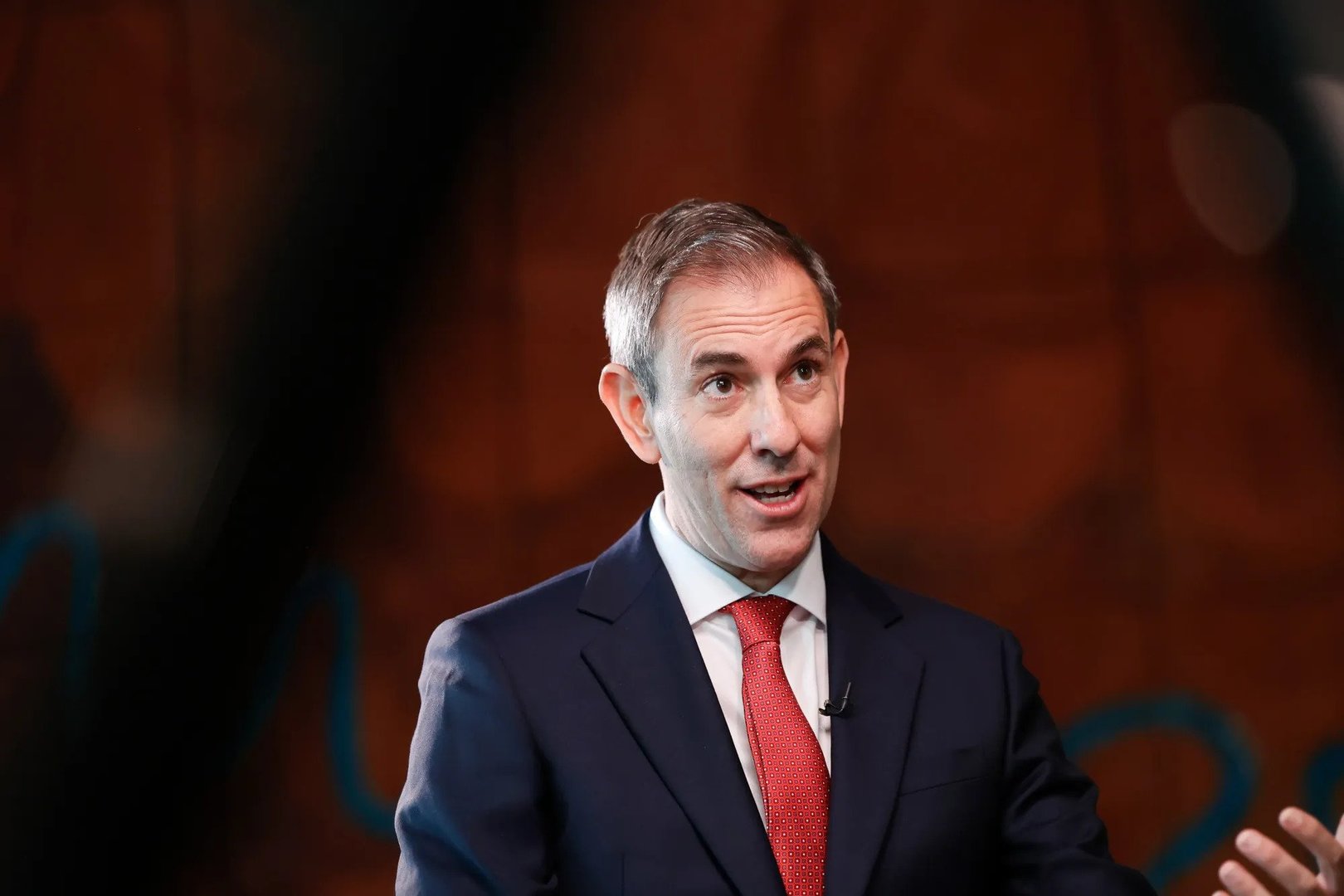
Australia’s federal government is escalating its response to the country’s housing crisis after Treasurer Jim Chalmers declared current market conditions “unacceptable,” reflecting mounting political and economic pressure over affordability, rents and declining access to home ownership.
The crisis is fundamentally driven by structural imbalance.
Australia has experienced years of undersupplied housing construction while population growth accelerated sharply after the pandemic, creating a sustained mismatch between housing demand and available homes.
That imbalance pushed property prices and rents to record or near-record levels across much of the country.
The pressure is most visible in Sydney, Melbourne, Brisbane and Perth, but regional areas have also experienced severe shortages.
Vacancy rates remain historically tight in many cities, competition for rentals has intensified and younger Australians increasingly face barriers to entering the housing market.
Chalmers’ remarks are significant because they signal a shift from treating housing stress as a cyclical market problem toward framing it as a broader economic-system failure requiring long-term reform.
The government has already introduced several major housing measures, including expanded support for social and affordable housing construction, incentives for build-to-rent developments, assistance programs for first-home buyers and agreements with state governments aimed at accelerating construction approvals.
The centerpiece is the National Housing Accord, which targets the construction of one point two million new homes over five years beginning in twenty twenty-four.
Federal and state authorities are attempting to streamline planning rules, increase infrastructure funding and encourage institutional investment into residential development.
But the scale of the shortage remains enormous.
Housing supply has struggled to keep pace with immigration growth, labor shortages, rising construction costs and weak productivity inside the building sector.
Several major builders collapsed during the post-pandemic construction surge, leaving unfinished projects and financial losses across the industry.
At the same time, high interest rates imposed by the Reserve Bank of Australia sharply increased mortgage repayments and reduced borrowing capacity for buyers.
That combination created an unusually severe affordability squeeze.
Home prices continued rising in many areas despite tighter monetary policy because demand remained strong and housing stock remained constrained.
Rents climbed even faster in some cities, placing growing pressure on low-income households, students and younger workers.
The political consequences have become increasingly serious for Prime Minister Anthony Albanese’s Labor government.
Housing affordability now ranks among the country’s most sensitive domestic issues, particularly among younger voters who increasingly view home ownership as unattainable.
Economists also warn that high housing costs are beginning to damage productivity by limiting labor mobility and increasing household financial stress.
The government argues the problem cannot be solved quickly because the shortage accumulated over decades involving planning restrictions, tax settings, infrastructure bottlenecks and underinvestment in social housing.
Critics counter that current policies remain too cautious relative to the scale of the crisis.
One major point of conflict involves migration.
Australia experienced one of the fastest post-pandemic population rebounds among advanced economies, driven largely by international students, skilled migrants and temporary workers.
That surge supported economic growth and helped ease labor shortages, but it also intensified pressure on already constrained housing supply.
The government has acknowledged the pressure while resisting calls for sharp migration cuts.
Chalmers and other ministers argue that reducing migration alone would not solve the structural shortage and could damage economic growth, universities and workforce supply.
Opposition parties and some economists disagree, arguing demand management must play a larger role.
Tax policy is another major battleground.
Australia’s housing market has long been shaped by tax incentives including negative gearing and capital gains tax concessions that encourage property investment.
Critics argue those policies inflate prices and favor wealth accumulation through real estate over productive investment.
Labor previously retreated from proposals to significantly alter those tax settings after electoral backlash, and the government has so far avoided major direct reform despite growing pressure from housing advocates and economists.
State governments are also under strain.
Planning systems remain fragmented across jurisdictions, local opposition frequently delays higher-density developments and infrastructure capacity often lags behind population growth.
Construction companies continue facing elevated material costs and labor shortages, limiting the speed at which new supply can be delivered.
The result is that even ambitious building targets may prove difficult to achieve.
Financial stability concerns add another layer of complexity.
Australia’s banking system is heavily exposed to residential property lending, and household debt levels remain among the highest in the developed world.
Policymakers therefore face a delicate balancing act: they need lower housing costs without triggering a destabilizing property correction.
The Reserve Bank’s interest-rate decisions also directly shape the market.
Higher rates suppress borrowing and construction activity but have not fully reduced prices because underlying demand remains strong.
More recently, expectations of eventual rate cuts helped reignite buyer activity in several major markets.
The government’s language has become noticeably sharper as frustration grows.
By describing current conditions as unacceptable, Chalmers signaled recognition that housing affordability is no longer viewed merely as an economic pressure point but as a threat to social cohesion and intergenerational equity.
What is confirmed is that Australia’s housing shortage remains severe despite slowing inflation and continued economic growth.
Demand still exceeds supply across much of the country, construction targets are under pressure and affordability remains historically weak.
The practical consequence is that housing policy has moved to the center of Australian economic strategy.
Federal and state governments are now under sustained pressure to deliver faster construction, planning reform and infrastructure expansion while balancing migration, financial stability and cost-of-living concerns in one of the country’s most politically volatile sectors.
The crisis is fundamentally driven by structural imbalance.
Australia has experienced years of undersupplied housing construction while population growth accelerated sharply after the pandemic, creating a sustained mismatch between housing demand and available homes.
That imbalance pushed property prices and rents to record or near-record levels across much of the country.
The pressure is most visible in Sydney, Melbourne, Brisbane and Perth, but regional areas have also experienced severe shortages.
Vacancy rates remain historically tight in many cities, competition for rentals has intensified and younger Australians increasingly face barriers to entering the housing market.
Chalmers’ remarks are significant because they signal a shift from treating housing stress as a cyclical market problem toward framing it as a broader economic-system failure requiring long-term reform.
The government has already introduced several major housing measures, including expanded support for social and affordable housing construction, incentives for build-to-rent developments, assistance programs for first-home buyers and agreements with state governments aimed at accelerating construction approvals.
The centerpiece is the National Housing Accord, which targets the construction of one point two million new homes over five years beginning in twenty twenty-four.
Federal and state authorities are attempting to streamline planning rules, increase infrastructure funding and encourage institutional investment into residential development.
But the scale of the shortage remains enormous.
Housing supply has struggled to keep pace with immigration growth, labor shortages, rising construction costs and weak productivity inside the building sector.
Several major builders collapsed during the post-pandemic construction surge, leaving unfinished projects and financial losses across the industry.
At the same time, high interest rates imposed by the Reserve Bank of Australia sharply increased mortgage repayments and reduced borrowing capacity for buyers.
That combination created an unusually severe affordability squeeze.
Home prices continued rising in many areas despite tighter monetary policy because demand remained strong and housing stock remained constrained.
Rents climbed even faster in some cities, placing growing pressure on low-income households, students and younger workers.
The political consequences have become increasingly serious for Prime Minister Anthony Albanese’s Labor government.
Housing affordability now ranks among the country’s most sensitive domestic issues, particularly among younger voters who increasingly view home ownership as unattainable.
Economists also warn that high housing costs are beginning to damage productivity by limiting labor mobility and increasing household financial stress.
The government argues the problem cannot be solved quickly because the shortage accumulated over decades involving planning restrictions, tax settings, infrastructure bottlenecks and underinvestment in social housing.
Critics counter that current policies remain too cautious relative to the scale of the crisis.
One major point of conflict involves migration.
Australia experienced one of the fastest post-pandemic population rebounds among advanced economies, driven largely by international students, skilled migrants and temporary workers.
That surge supported economic growth and helped ease labor shortages, but it also intensified pressure on already constrained housing supply.
The government has acknowledged the pressure while resisting calls for sharp migration cuts.
Chalmers and other ministers argue that reducing migration alone would not solve the structural shortage and could damage economic growth, universities and workforce supply.
Opposition parties and some economists disagree, arguing demand management must play a larger role.
Tax policy is another major battleground.
Australia’s housing market has long been shaped by tax incentives including negative gearing and capital gains tax concessions that encourage property investment.
Critics argue those policies inflate prices and favor wealth accumulation through real estate over productive investment.
Labor previously retreated from proposals to significantly alter those tax settings after electoral backlash, and the government has so far avoided major direct reform despite growing pressure from housing advocates and economists.
State governments are also under strain.
Planning systems remain fragmented across jurisdictions, local opposition frequently delays higher-density developments and infrastructure capacity often lags behind population growth.
Construction companies continue facing elevated material costs and labor shortages, limiting the speed at which new supply can be delivered.
The result is that even ambitious building targets may prove difficult to achieve.
Financial stability concerns add another layer of complexity.
Australia’s banking system is heavily exposed to residential property lending, and household debt levels remain among the highest in the developed world.
Policymakers therefore face a delicate balancing act: they need lower housing costs without triggering a destabilizing property correction.
The Reserve Bank’s interest-rate decisions also directly shape the market.
Higher rates suppress borrowing and construction activity but have not fully reduced prices because underlying demand remains strong.
More recently, expectations of eventual rate cuts helped reignite buyer activity in several major markets.
The government’s language has become noticeably sharper as frustration grows.
By describing current conditions as unacceptable, Chalmers signaled recognition that housing affordability is no longer viewed merely as an economic pressure point but as a threat to social cohesion and intergenerational equity.
What is confirmed is that Australia’s housing shortage remains severe despite slowing inflation and continued economic growth.
Demand still exceeds supply across much of the country, construction targets are under pressure and affordability remains historically weak.
The practical consequence is that housing policy has moved to the center of Australian economic strategy.
Federal and state governments are now under sustained pressure to deliver faster construction, planning reform and infrastructure expansion while balancing migration, financial stability and cost-of-living concerns in one of the country’s most politically volatile sectors.
AI Disclaimer: An advanced artificial intelligence (AI) system generated the content of this page on its own. This innovative technology conducts extensive research from a variety of reliable sources, performs rigorous fact-checking and verification, cleans up and balances biased or manipulated content, and presents a minimal factual summary that is just enough yet essential for you to function as an informed and educated citizen. Please keep in mind, however, that this system is an evolving technology, and as a result, the article may contain accidental inaccuracies or errors. We urge you to help us improve our site by reporting any inaccuracies you find using the "Contact Us" link at the bottom of this page. Your helpful feedback helps us improve our system and deliver more precise content. When you find an article of interest here, please look for the full and extensive coverage of this topic in traditional news sources, as they are written by professional journalists that we try to support, not replace. We appreciate your understanding and assistance.