
Morrison’s China Standoff Marked a Turning Point in Australia’s Strategic Realignment
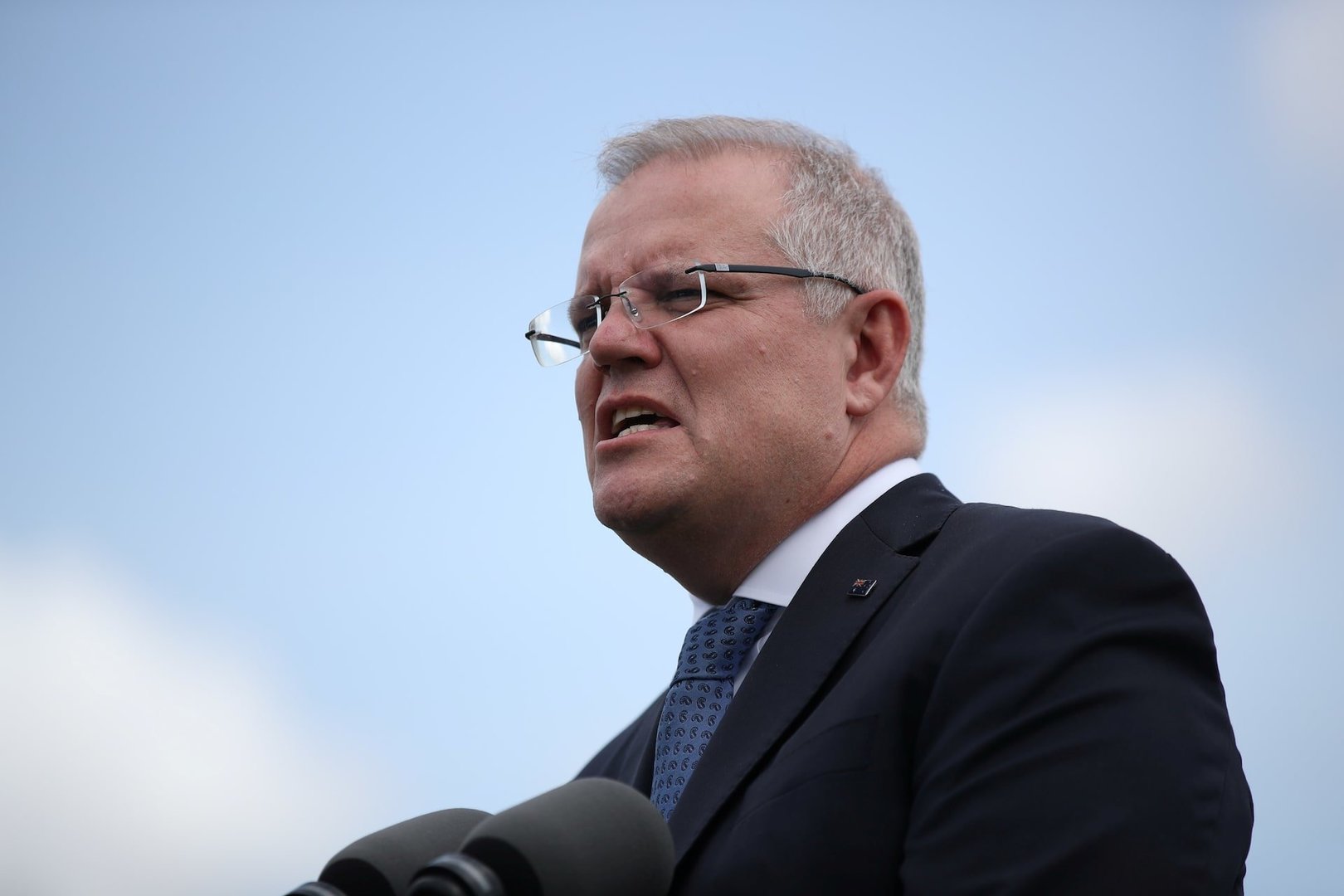
Scott Morrison’s declaration that Australia would not be intimidated by China became a defining moment in a wider confrontation over trade pressure, national sovereignty and Beijing’s growing use of economic coercion.
The Australian government’s confrontation with China under former Prime Minister Scott Morrison was fundamentally driven by state power and economic leverage.
Morrison’s declaration in twenty twenty that Australia “would not be intimidated” by Beijing came after China imposed trade restrictions, issued travel and education warnings and sharply escalated diplomatic pressure against Canberra.
The dispute became one of the clearest modern examples of how geopolitical rivalry can spill directly into trade, education, investment and public diplomacy.
At the center of the crisis was Australia’s call for an independent international investigation into the origins and early handling of the COVID-19 pandemic.
Canberra argued that a transparent inquiry was necessary to strengthen global public-health systems and prevent future pandemics.
Beijing interpreted the move as a political attack aligned with broader Western pressure against China.
The response from China was swift and economically significant.
Chinese authorities imposed restrictions or tariffs on a range of Australian exports including barley, wine, beef, coal, lobster and timber.
Chinese ministries also warned students and tourists about alleged racism and safety concerns in Australia, directly targeting sectors heavily dependent on Chinese consumers.
Those measures hit critical parts of the Australian economy.
Before the dispute, China was Australia’s largest trading partner by a wide margin, absorbing enormous volumes of minerals, agricultural goods and educational services.
International education alone had become one of Australia’s largest export industries, with Chinese students representing a major source of university revenue.
Morrison publicly rejected Beijing’s actions as coercive pressure designed to force political compliance.
His language mattered because Australia was one of the first major US allies to openly frame China’s economic actions not as routine trade disputes but as strategic coercion linked to national sovereignty.
The confrontation did not emerge in isolation.
Tensions between Canberra and Beijing had already been rising for years over foreign interference laws, the exclusion of Huawei from Australia’s five-generation telecommunications network, espionage concerns, South China Sea disputes and growing Australian skepticism toward Chinese Communist Party influence operations.
Australia’s intelligence agencies had become increasingly vocal about foreign political interference, cyber threats and strategic dependency risks linked to China.
Canberra also strengthened security cooperation with the United States, Japan and India through the Quad partnership while deepening defense coordination across the Indo-Pacific.
China viewed many of those moves as part of a broader containment strategy led by Washington.
The economic confrontation that followed exposed a major vulnerability inside Australia’s economic model.
The country had become deeply dependent on Chinese demand while simultaneously moving toward a more confrontational security posture against Beijing.
That contradiction became impossible to ignore once trade restrictions intensified.
Some Australian industries suffered heavily.
Wine exporters were especially damaged after China imposed massive anti-dumping tariffs that effectively shut Australian wine out of one of its biggest overseas markets.
Barley producers, seafood exporters and parts of the agricultural sector also faced serious disruption.
Yet the outcome was more complex than Beijing may have expected.
Australia managed to redirect substantial portions of its exports toward alternative markets.
Global commodity demand, especially for iron ore, also helped cushion the economic impact because China remained heavily dependent on Australian iron ore supplies for its steel industry.
The crisis therefore produced mixed results.
China inflicted real economic pain on targeted sectors, but Australia did not reverse its political positions.
Instead, Canberra accelerated efforts to diversify trade relationships, strengthen domestic resilience and reduce strategic dependence on China.
The confrontation also reshaped political thinking across much of the democratic world.
Governments in Europe, North America and Asia increasingly studied Australia’s experience as a case study in economic coercion.
Policymakers began examining supply-chain dependence, critical minerals, strategic infrastructure ownership and trade vulnerability with far greater urgency.
Morrison’s government argued that yielding to pressure would encourage further coercion.
Critics inside Australia, however, accused the government of unnecessarily inflaming tensions and damaging the country’s most important economic relationship.
Some business leaders argued Canberra failed to maintain diplomatic stability and underestimated the economic risks of escalation.
Others defended Morrison’s position as necessary realism toward an increasingly assertive China.
The broader strategic environment reinforced that view for many Australians.
During the same period, Beijing intensified military activity around Taiwan, expanded naval operations across the Indo-Pacific and adopted more confrontational diplomatic tactics globally.
Public opinion inside Australia also shifted sharply.
Surveys showed trust in China fell significantly during the dispute, while support grew for stronger defense cooperation with the United States and regional partners.
Concerns over foreign interference, cyberattacks and strategic dependency became mainstream political issues.
The diplomatic freeze between Canberra and Beijing lasted for years.
Senior-level political communication largely collapsed.
Several ministerial dialogues were suspended, and relations sank to their lowest point in decades.
More recently, however, both sides have cautiously moved toward stabilization.
Under Prime Minister Anthony Albanese, Australia restored high-level dialogue with Chinese leadership while maintaining many of the same security policies adopted under Morrison.
Beijing gradually removed several trade restrictions, including tariffs on Australian barley and wine.
That partial thaw reflected practical economic interests on both sides.
China continued needing Australian resources and stable regional trade flows, while Australia sought to reduce tensions without compromising strategic positions on defense, foreign interference and national security.
But the underlying structural rivalry did not disappear.
Australia still views China as its largest trading partner and simultaneously its most significant long-term strategic challenge.
Defense spending has increased, security partnerships have expanded and Canberra remains deeply committed to the AUKUS submarine agreement with the United States and Britain.
Morrison’s declaration that Australia would not be intimidated therefore became more than a political soundbite.
It marked a broader shift in how middle powers respond to economic pressure from larger states.
The practical consequence is now visible across Australian policy: trade diversification, tighter foreign-investment scrutiny, expanded defense planning and a bipartisan political consensus that economic dependence must no longer dictate national-security decisions.
Morrison’s declaration in twenty twenty that Australia “would not be intimidated” by Beijing came after China imposed trade restrictions, issued travel and education warnings and sharply escalated diplomatic pressure against Canberra.
The dispute became one of the clearest modern examples of how geopolitical rivalry can spill directly into trade, education, investment and public diplomacy.
At the center of the crisis was Australia’s call for an independent international investigation into the origins and early handling of the COVID-19 pandemic.
Canberra argued that a transparent inquiry was necessary to strengthen global public-health systems and prevent future pandemics.
Beijing interpreted the move as a political attack aligned with broader Western pressure against China.
The response from China was swift and economically significant.
Chinese authorities imposed restrictions or tariffs on a range of Australian exports including barley, wine, beef, coal, lobster and timber.
Chinese ministries also warned students and tourists about alleged racism and safety concerns in Australia, directly targeting sectors heavily dependent on Chinese consumers.
Those measures hit critical parts of the Australian economy.
Before the dispute, China was Australia’s largest trading partner by a wide margin, absorbing enormous volumes of minerals, agricultural goods and educational services.
International education alone had become one of Australia’s largest export industries, with Chinese students representing a major source of university revenue.
Morrison publicly rejected Beijing’s actions as coercive pressure designed to force political compliance.
His language mattered because Australia was one of the first major US allies to openly frame China’s economic actions not as routine trade disputes but as strategic coercion linked to national sovereignty.
The confrontation did not emerge in isolation.
Tensions between Canberra and Beijing had already been rising for years over foreign interference laws, the exclusion of Huawei from Australia’s five-generation telecommunications network, espionage concerns, South China Sea disputes and growing Australian skepticism toward Chinese Communist Party influence operations.
Australia’s intelligence agencies had become increasingly vocal about foreign political interference, cyber threats and strategic dependency risks linked to China.
Canberra also strengthened security cooperation with the United States, Japan and India through the Quad partnership while deepening defense coordination across the Indo-Pacific.
China viewed many of those moves as part of a broader containment strategy led by Washington.
The economic confrontation that followed exposed a major vulnerability inside Australia’s economic model.
The country had become deeply dependent on Chinese demand while simultaneously moving toward a more confrontational security posture against Beijing.
That contradiction became impossible to ignore once trade restrictions intensified.
Some Australian industries suffered heavily.
Wine exporters were especially damaged after China imposed massive anti-dumping tariffs that effectively shut Australian wine out of one of its biggest overseas markets.
Barley producers, seafood exporters and parts of the agricultural sector also faced serious disruption.
Yet the outcome was more complex than Beijing may have expected.
Australia managed to redirect substantial portions of its exports toward alternative markets.
Global commodity demand, especially for iron ore, also helped cushion the economic impact because China remained heavily dependent on Australian iron ore supplies for its steel industry.
The crisis therefore produced mixed results.
China inflicted real economic pain on targeted sectors, but Australia did not reverse its political positions.
Instead, Canberra accelerated efforts to diversify trade relationships, strengthen domestic resilience and reduce strategic dependence on China.
The confrontation also reshaped political thinking across much of the democratic world.
Governments in Europe, North America and Asia increasingly studied Australia’s experience as a case study in economic coercion.
Policymakers began examining supply-chain dependence, critical minerals, strategic infrastructure ownership and trade vulnerability with far greater urgency.
Morrison’s government argued that yielding to pressure would encourage further coercion.
Critics inside Australia, however, accused the government of unnecessarily inflaming tensions and damaging the country’s most important economic relationship.
Some business leaders argued Canberra failed to maintain diplomatic stability and underestimated the economic risks of escalation.
Others defended Morrison’s position as necessary realism toward an increasingly assertive China.
The broader strategic environment reinforced that view for many Australians.
During the same period, Beijing intensified military activity around Taiwan, expanded naval operations across the Indo-Pacific and adopted more confrontational diplomatic tactics globally.
Public opinion inside Australia also shifted sharply.
Surveys showed trust in China fell significantly during the dispute, while support grew for stronger defense cooperation with the United States and regional partners.
Concerns over foreign interference, cyberattacks and strategic dependency became mainstream political issues.
The diplomatic freeze between Canberra and Beijing lasted for years.
Senior-level political communication largely collapsed.
Several ministerial dialogues were suspended, and relations sank to their lowest point in decades.
More recently, however, both sides have cautiously moved toward stabilization.
Under Prime Minister Anthony Albanese, Australia restored high-level dialogue with Chinese leadership while maintaining many of the same security policies adopted under Morrison.
Beijing gradually removed several trade restrictions, including tariffs on Australian barley and wine.
That partial thaw reflected practical economic interests on both sides.
China continued needing Australian resources and stable regional trade flows, while Australia sought to reduce tensions without compromising strategic positions on defense, foreign interference and national security.
But the underlying structural rivalry did not disappear.
Australia still views China as its largest trading partner and simultaneously its most significant long-term strategic challenge.
Defense spending has increased, security partnerships have expanded and Canberra remains deeply committed to the AUKUS submarine agreement with the United States and Britain.
Morrison’s declaration that Australia would not be intimidated therefore became more than a political soundbite.
It marked a broader shift in how middle powers respond to economic pressure from larger states.
The practical consequence is now visible across Australian policy: trade diversification, tighter foreign-investment scrutiny, expanded defense planning and a bipartisan political consensus that economic dependence must no longer dictate national-security decisions.
AI Disclaimer: An advanced artificial intelligence (AI) system generated the content of this page on its own. This innovative technology conducts extensive research from a variety of reliable sources, performs rigorous fact-checking and verification, cleans up and balances biased or manipulated content, and presents a minimal factual summary that is just enough yet essential for you to function as an informed and educated citizen. Please keep in mind, however, that this system is an evolving technology, and as a result, the article may contain accidental inaccuracies or errors. We urge you to help us improve our site by reporting any inaccuracies you find using the "Contact Us" link at the bottom of this page. Your helpful feedback helps us improve our system and deliver more precise content. When you find an article of interest here, please look for the full and extensive coverage of this topic in traditional news sources, as they are written by professional journalists that we try to support, not replace. We appreciate your understanding and assistance.