Australia Turns to ‘Petro-Diplomacy’ as Global Oil Risks Expose Fuel Vulnerability
Canberra is using emergency fuel agreements, regional partnerships and strategic reserves to stabilize supply fears after escalating global tensions exposed the country’s dependence on imported refined fuel.
Australia’s government is intensifying what officials and industry figures increasingly describe as “petro-diplomacy” — a strategy of using diplomatic relationships, regional fuel agreements and coordinated supply arrangements to protect the country from major fuel disruptions as global energy tensions escalate.
The push follows renewed concern over Australia’s fuel security after instability in the Middle East and disruptions to global shipping routes triggered sharp swings in oil prices and freight costs.
Australia imports the overwhelming majority of its refined fuel, including diesel, jet fuel and gasoline, leaving the country unusually exposed to external supply shocks despite being a major energy exporter.
The core issue is structural.
Australia produces significant volumes of liquefied natural gas and exports large quantities of raw resources, but it has limited domestic oil refining capacity after decades of refinery closures.
The country now relies heavily on imported refined petroleum products transported through vulnerable maritime trade routes.
That dependence has long worried defense planners and energy-security officials.
Recent geopolitical instability transformed those concerns from theoretical planning scenarios into immediate economic and strategic risks.
The government response has centered on deepening fuel-security coordination with allies and regional suppliers rather than attempting a rapid rebuild of large-scale domestic refining.
Australia has expanded fuel-storage agreements with international partners, increased access to strategic petroleum reserves held overseas and strengthened diplomatic coordination with major Asian fuel suppliers.
Officials have also intensified engagement with shipping operators and fuel traders to secure stable supply chains during periods of market disruption.
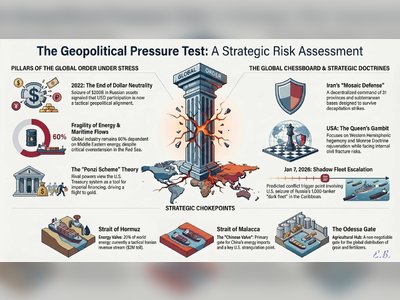
The strategy accelerated after attacks on commercial shipping routes in the Red Sea and renewed fears surrounding possible disruption in the Strait of Hormuz, one of the world’s most critical oil transit chokepoints.
Even though Australia imports relatively little fuel directly from the Middle East, global price shocks and shipping bottlenecks immediately affect Australian supply costs because fuel markets are internationally integrated.
Diesel is at the center of the concern.
Australia’s mining sector, agriculture industry, freight network and military logistics all depend heavily on diesel imports.
A prolonged disruption would quickly affect food distribution, transport costs, industrial production and national defense readiness.
The government has therefore treated fuel security as both an economic and strategic issue.
Canberra has expanded cooperation with countries including Singapore, Japan, South Korea and the United States, all of which play major roles in regional fuel storage, refining or maritime security.
Singapore is especially important because it functions as one of the world’s largest fuel trading and storage hubs and supplies a significant portion of Australia’s imported refined fuel.
Australia has also continued building minimum fuel stockpiles after years of criticism that the country failed to meet international energy-agency reserve obligations.
Earlier reviews found Australia possessed far fewer days of emergency fuel coverage than many comparable developed economies.
The government subsequently invested heavily in strategic reserves, including arrangements allowing Australia to store crude oil in United States facilities.
Additional domestic diesel storage projects and fuel-security infrastructure programs were also funded.
Officials argue those measures significantly improved resilience compared with conditions that existed only a few years ago.
Industry executives nevertheless warn that Australia remains vulnerable to a severe maritime disruption in Asia-Pacific shipping lanes.
The country’s geographic isolation compounds the problem because almost all imported fuel arrives by sea and domestic alternatives are limited.
The economic stakes are substantial.
Fuel prices directly affect inflation, transport costs, food distribution and household budgets.
Australia’s central bank has already cited global energy volatility as a factor complicating inflation management.
The concern is not limited to civilian consumption.
Defense analysts increasingly view fuel access as a core national-security issue as Australia expands military cooperation with the United States and regional partners under initiatives including AUKUS.
Military planners have emphasized that supply-chain resilience is essential for any prolonged regional contingency in the Indo-Pacific.
Fuel shortages could affect naval operations, aviation readiness, freight movement and emergency response capacity.
That strategic dimension explains why energy policy, defense planning and foreign policy are becoming more tightly integrated.
The phrase “petro-diplomacy” captures that shift.
Instead of treating fuel purely as a commercial commodity, Australia is increasingly managing energy access through alliance networks, regional influence and state-level coordination.
The policy also reflects political realities.
Building large new refineries in Australia would require enormous investment, face environmental opposition and likely produce fuel at higher cost than imported alternatives.
Governments therefore see diversification, stockpiling and diplomatic coordination as faster and more economically realistic solutions.
Critics argue the approach still leaves Australia dangerously exposed during a major regional conflict or prolonged shipping crisis.
Some energy-security analysts advocate stronger domestic refining mandates, larger emergency reserves and tighter government control over strategic fuel infrastructure.
Others contend the current strategy is pragmatic because modern fuel markets are globally interconnected and no advanced economy can fully insulate itself from international disruptions.
What is confirmed is that Australia entered this period of global instability in a more vulnerable fuel position than many industrialized nations.
What has changed is the level of political urgency.
Fuel security has moved from a largely technical policy debate into a central strategic concern tied directly to inflation, defense readiness, supply-chain resilience and regional geopolitics.
Australia’s response now relies heavily on diplomatic leverage, alliance coordination and expanded reserve capacity rather than energy self-sufficiency.
The practical consequence is already visible: despite severe volatility in global oil markets and heightened shipping risk, Australia has so far avoided the large-scale fuel shortages that officials previously feared, reinforcing the government’s push to deepen long-term regional fuel-security partnerships.
The push follows renewed concern over Australia’s fuel security after instability in the Middle East and disruptions to global shipping routes triggered sharp swings in oil prices and freight costs.
Australia imports the overwhelming majority of its refined fuel, including diesel, jet fuel and gasoline, leaving the country unusually exposed to external supply shocks despite being a major energy exporter.
The core issue is structural.
Australia produces significant volumes of liquefied natural gas and exports large quantities of raw resources, but it has limited domestic oil refining capacity after decades of refinery closures.
The country now relies heavily on imported refined petroleum products transported through vulnerable maritime trade routes.
That dependence has long worried defense planners and energy-security officials.
Recent geopolitical instability transformed those concerns from theoretical planning scenarios into immediate economic and strategic risks.
The government response has centered on deepening fuel-security coordination with allies and regional suppliers rather than attempting a rapid rebuild of large-scale domestic refining.
Australia has expanded fuel-storage agreements with international partners, increased access to strategic petroleum reserves held overseas and strengthened diplomatic coordination with major Asian fuel suppliers.
Officials have also intensified engagement with shipping operators and fuel traders to secure stable supply chains during periods of market disruption.
The strategy accelerated after attacks on commercial shipping routes in the Red Sea and renewed fears surrounding possible disruption in the Strait of Hormuz, one of the world’s most critical oil transit chokepoints.
Even though Australia imports relatively little fuel directly from the Middle East, global price shocks and shipping bottlenecks immediately affect Australian supply costs because fuel markets are internationally integrated.
Diesel is at the center of the concern.
Australia’s mining sector, agriculture industry, freight network and military logistics all depend heavily on diesel imports.
A prolonged disruption would quickly affect food distribution, transport costs, industrial production and national defense readiness.
The government has therefore treated fuel security as both an economic and strategic issue.
Canberra has expanded cooperation with countries including Singapore, Japan, South Korea and the United States, all of which play major roles in regional fuel storage, refining or maritime security.
Singapore is especially important because it functions as one of the world’s largest fuel trading and storage hubs and supplies a significant portion of Australia’s imported refined fuel.
Australia has also continued building minimum fuel stockpiles after years of criticism that the country failed to meet international energy-agency reserve obligations.
Earlier reviews found Australia possessed far fewer days of emergency fuel coverage than many comparable developed economies.
The government subsequently invested heavily in strategic reserves, including arrangements allowing Australia to store crude oil in United States facilities.
Additional domestic diesel storage projects and fuel-security infrastructure programs were also funded.
Officials argue those measures significantly improved resilience compared with conditions that existed only a few years ago.
Industry executives nevertheless warn that Australia remains vulnerable to a severe maritime disruption in Asia-Pacific shipping lanes.
The country’s geographic isolation compounds the problem because almost all imported fuel arrives by sea and domestic alternatives are limited.
The economic stakes are substantial.
Fuel prices directly affect inflation, transport costs, food distribution and household budgets.
Australia’s central bank has already cited global energy volatility as a factor complicating inflation management.
The concern is not limited to civilian consumption.
Defense analysts increasingly view fuel access as a core national-security issue as Australia expands military cooperation with the United States and regional partners under initiatives including AUKUS.
Military planners have emphasized that supply-chain resilience is essential for any prolonged regional contingency in the Indo-Pacific.
Fuel shortages could affect naval operations, aviation readiness, freight movement and emergency response capacity.
That strategic dimension explains why energy policy, defense planning and foreign policy are becoming more tightly integrated.
The phrase “petro-diplomacy” captures that shift.
Instead of treating fuel purely as a commercial commodity, Australia is increasingly managing energy access through alliance networks, regional influence and state-level coordination.
The policy also reflects political realities.
Building large new refineries in Australia would require enormous investment, face environmental opposition and likely produce fuel at higher cost than imported alternatives.
Governments therefore see diversification, stockpiling and diplomatic coordination as faster and more economically realistic solutions.
Critics argue the approach still leaves Australia dangerously exposed during a major regional conflict or prolonged shipping crisis.
Some energy-security analysts advocate stronger domestic refining mandates, larger emergency reserves and tighter government control over strategic fuel infrastructure.
Others contend the current strategy is pragmatic because modern fuel markets are globally interconnected and no advanced economy can fully insulate itself from international disruptions.
What is confirmed is that Australia entered this period of global instability in a more vulnerable fuel position than many industrialized nations.
What has changed is the level of political urgency.
Fuel security has moved from a largely technical policy debate into a central strategic concern tied directly to inflation, defense readiness, supply-chain resilience and regional geopolitics.
Australia’s response now relies heavily on diplomatic leverage, alliance coordination and expanded reserve capacity rather than energy self-sufficiency.
The practical consequence is already visible: despite severe volatility in global oil markets and heightened shipping risk, Australia has so far avoided the large-scale fuel shortages that officials previously feared, reinforcing the government’s push to deepen long-term regional fuel-security partnerships.
AI Disclaimer: An advanced artificial intelligence (AI) system generated the content of this page on its own. This innovative technology conducts extensive research from a variety of reliable sources, performs rigorous fact-checking and verification, cleans up and balances biased or manipulated content, and presents a minimal factual summary that is just enough yet essential for you to function as an informed and educated citizen. Please keep in mind, however, that this system is an evolving technology, and as a result, the article may contain accidental inaccuracies or errors. We urge you to help us improve our site by reporting any inaccuracies you find using the "Contact Us" link at the bottom of this page. Your helpful feedback helps us improve our system and deliver more precise content. When you find an article of interest here, please look for the full and extensive coverage of this topic in traditional news sources, as they are written by professional journalists that we try to support, not replace. We appreciate your understanding and assistance.