Ryan Adams Pulls Out of International Touring After Australian Tour Breakdown
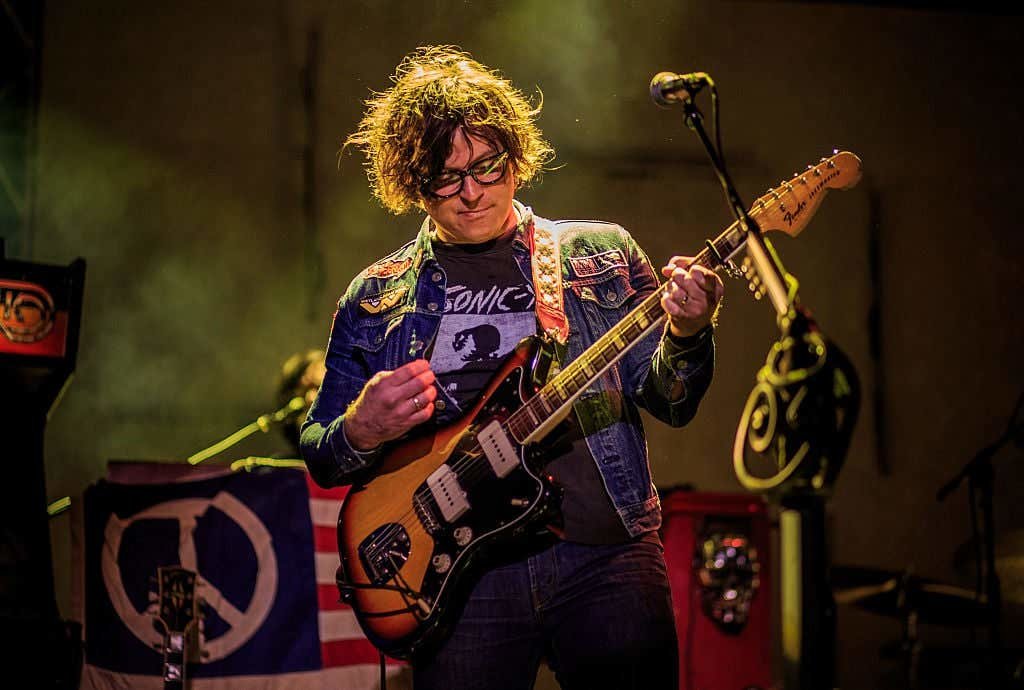
American singer-songwriter Ryan Adams has announced he will cease international touring after a turbulent visit to Australia and New Zealand, during which he posted harsh remarks about Australian audiences, cited health problems and abruptly ended shows. The tour was intended to celebrate the twenty-fifth anniversary of his solo debut album, Heartbreaker, but instead became mired in controversy.
Adams’s Australian leg concluded with a now-deleted Instagram message in which he called Australia the “worst country ever” to perform in, wrote that Australians were “the worst people” and said he would “never again” play there. He followed the remarks with another post stating his recent show in Auckland had been “my very last show overseas”.
The issues reportedly dated back to a Melbourne performance on 12 October at Hamer Hall, where Adams appeared to rant about flashes from the audience’s phones, departing the stage early and criticising ushers. He later explained that the LED camera flashes had triggered an ocular seizure, saying he suffers from epilepsy and Meniere’s disease. “I have no way to expect the flash… what happens over time when there are so many is I have an ocular seizure and I don’t know where I am,” he wrote.
In his apology, Adams clarified that his remarks were not directed at all Australian fans, emphasising that his reaction stemmed from a health crisis on stage rather than animosity toward the country. Earlier in the year, he had left a concert in Belfast citing similar triggers, and had referenced the conditions in prior statements.
Despite the apology, the fallout has been substantial. Fans, venues and media outlets described parts of the tour as “chaotic” and “uncomfortable”, and one promoter acknowledged that audience complaints had been submitted. Industry observers suggest that the combination of performance disruptions, public outbursts and mounting health warnings have materially altered Adams’s touring trajectory.
For his part, Adams said he will continue to make music and write books, but that his international live-show phase is over. With the tour ending in Auckland on 18 October, his declared retirement from overseas gigs marks a significant shift in his career and raises questions about the impact of health, fatigue and audience-artist dynamics in high-profile music tours today.